Categories
Finance & Money

CLO Equity Investors: Stress Testing A CLO Equity Position

In this guide, you’ll find a comprehensive explainer of a foundational component of corporate finance. The market for these funds is now worth over $1.1 trillion. It has grown from a small niche into a key source of capital for institutions. This type of asset is a unique hybrid. It combines the high-return potential of private equity with steady, quarterly payments similar to bonds. This creates a stream of distributed cash flow for participants.

See Details About Investing in CLO Funds
The return profile often defies expectations. This is due to built-in flexibility and skilled management over a long period, typically five to seven years. This structure can contain risk and volatility inside a broader portfolio.

Recent experience reveals revealing trends. Funds issued during the stressful market of 2022 have actually performed better than the more popular ones from 2021. This underscores how much timing can matter.

Our aim is to make a complex subject clear. We will explain how it works, correct common myths, and show data. This information will help sophisticated market players evaluate opportunities and choose managers wisely.

Core Takeaways

  • This is a $1.1 trillion cornerstone of modern corporate finance, essential to institutional portfolios.
  • The asset class blends the return profile of private equity with the periodic income of bonds.
  • Performance is driven by structural optionality and active management over a 5-7 year horizon.
  • Recent data indicates vintages issued during periods of market stress can outperform.
  • Knowing the core mechanics is critical for weighing risk and potential reward.
  • A strategic approach means analyzing manager skill and market timing together.

Introduction: The Appeal Of CLO Equity

A financial market segment, once a niche corner, has quietly evolved into a trillion-dollar engine powering corporate America. Over three and a half decades, collateralized loan obligations have become a $1.1 trillion pillar of financing. They now fuel a significant part of the leveraged loan market.

That scale creates a distinct opportunity. For discerning allocators, the most interesting piece is not the debt securities. It is the residual piece known as the equity tranche.

This slice of the capital stack has a compelling value proposition. It captures the difference between what the structure earns in loan interest and what it must pay its debtholders. This net spread is the source of its potential.

The appeal lies in its hybrid character. It offers a high-return profile often linked with private capital. Yet, it delivers a more frequent and predictable income stream, similar to bonds.

This combination targets double-digit returns paired with quarterly distributed cash. The front-loaded nature of those payments is a key draw for building portfolio income.

Understanding the core contrast is essential. The table below highlights the fundamental differences between the debt and equity sides of these structures.

CLO Mutual Funds

CLO Debt Securities vs. Equity Tranche: The Core Contrast

Attribute Debt Securities (AAA through BB) Equity Tranche
Primary Goal Income stability with capital protection. Seek total return from residual cash flow.
Risk Level Lower risk, senior in the payment waterfall. Higher risk, first-loss position but with control.
Payout Stream Fixed or floating coupon, paid quarterly. Variable quarterly distributions from excess spread.
Primary Driver Largely coupon-based income. Net interest income plus par building.
Position in Capital Stack Provides the majority of the fund’s leverage. Provides first-loss capital and absorbs early losses.

A typical fund operates over a five to seven-year horizon. This extended timeframe is crucial. It allows manager skill and market cycles to significantly impact final outcomes.

Performance is not always intuitive here. For instance, funds launched in the stressed 2022 market faced rate hikes and declining loan prices. Yet, contrary to what many expect, those vintages may be positioned for attractive returns.

The environment remains dynamic. Shifts in debt costs and loan spreads make returns move around. However, built-in structural features create active tools for value creation across the deal’s life.

This sets the stage for a deeper look at the mechanics. The sections ahead explore how those tools work and how they mitigate risk and volatility.

What Are CLOs And Why Does Equity Matter?

To understand why the equity slice matters, start with the vehicle that produces it: the collateralized loan obligation. This is a structured finance vehicle. It pools a large, diversified portfolio of senior secured leveraged loans.

These are corporate loans, typically with floating rates. The structure converts that pool of corporate credit into securities for different types of capital providers.

The $1.1 Trillion Backbone Of Corporate Finance

This market is massive, with over $1.1 trillion in assets. These funds are not a minor player. They are the largest buyer of U.S. corporate loans in the broadly syndicated loan market.

Their scale makes them a major pillar of modern corporate finance. They provide essential funding to a wide range of businesses. That dominance underscores their importance in the broader credit ecosystem.

Debt Vs. Equity: Different Jobs In The Capital Stack

A new vehicle raises capital by issuing securities. The capital structure is simple but powerful. It is financed by issuing tranches of debt and a sliver of equity.

That creates a leveraged investment company. The typical funding stack has a 90%/10% debt-to-equity split. For every $100 of loans purchased, about $90 comes from debt and $10 from equity.

That split creates significant embedded leverage for the equity slice. The roles of the participants are fundamentally different:

  • Debt Investors (Bond Buyers): They purchase rated notes, from AAA down to BB. Their primary objective is stable income and capital preservation. They receive periodic interest payments and have priority in the repayment queue. Their risk is lower, but upside is capped.
  • Equity Investors (Residual Capital Providers): They provide the first-loss capital. This tranche absorbs early losses if portfolio loans default. In exchange, they hold a claim on all excess profits after all debt obligations are paid.

The equity slice derives its value from the performance of the overall loan portfolio. It hinges on the manager’s skill to maximize the net interest spread—the difference between what the assets earn and what the liabilities cost.

Cash flow distribution follows a strict, rule-based system called the payment “waterfall.” This system dictates the exact order used to allocate incoming cash. It pays fees, expenses, and debt obligations first—before any cash reaches equity.

This structure clearly defines risk and reward. Debt provides seniority and income. Equity offers residual ownership and potentially amplified returns, while bearing first-loss risk.

How CLO Equity Works: The Key Mechanics

One effective way to demystify the process is to view the entire structure as a standalone business. This company has a clear purpose: to own a portfolio of income-producing assets. It finances those purchases by issuing obligations to outside parties.

The resulting cash flows follow a strict, rule-driven system. That system determines who gets paid, and in what order. Grasping this operational blueprint is key to understanding the potential for reward.

The CLO As A “Company”: Assets Vs. Liabilities

Imagine a newly formed investment company. Its sole business is to acquire a diversified pool of senior secured leveraged loans. Those loans are its assets.

Those assets generate revenue. Each loan typically pays a floating interest rate. This rate is often set as a benchmark, like SOFR, plus a credit spread.

To buy these assets, the company needs capital. It raises this capital by selling securities. Those securities form its liabilities.

The liability side is layered, or “tranched.” It consists of rated debt notes and a small slice of residual ownership. The debt is sold in pieces, from the most senior AAA-rated notes down to riskier junior notes.

Each debt tranche carries its own cost of funding. That cost is also expressed as SOFR plus a spread. The spread is higher for lower-rated, riskier notes.

The residual piece sits at the bottom of the capital stack. It is not rated. That slice represents the ownership stake in the entire “company.”

The table below provides a simplified view of this capital structure. It shows how tranche priority works.

Simplified Capital Stack of a CLO “Company”

Layer Common Rating Cost of Funds (Example) Role in Priority of Payments
Senior Notes (Top Tier) AAA SOFR + 1.5 % Top priority for interest payments.
Mezzanine Notes (Mid Stack) BBB SOFR + 3.5 % Paid after senior notes are covered.
Junior Notes / BB BB SOFR + 5.5 % Paid after mezzanine notes.
Equity / Residual Slice Not Rated Receives Remaining Cash Receives all remaining cash after all other obligations.

The Quarterly Payment Waterfall Explained

All cash entering the structure flows through a precise sequence. That sequence is called the payment waterfall. It operates like a set of financial plumbing rules.

Every quarter, interest payments from the loan portfolio come in. This cash is then allocated in a strict order.

First, the fund pays its operational expenses and management fees. These are the costs of running the company.

Next, interest is paid to the debt holders. Senior AAA noteholders are paid first. Then, moving down the stack, each lower tranche receives its coupon in order.

Only after fees and debt interest are fully paid does cash reach the residual owners. This leftover cash is the net interest spread.

The waterfall also includes key safety mechanisms. They are designed to protect debt holders.

Key tests—like overcollateralization and interest coverage ratios—are checked regularly. If a test fails, cash that would normally go to the residual piece is diverted.

This diverted cash is used to buy more high-quality collateral or to pay down senior debt. This helps restore the health of the overall portfolio.

Understanding The 90/10 Debt Versus Equity Split

A defining feature is the high embedded leverage. A typical structure uses about $90 of debt for every $10 of residual capital. This creates a 90/10 ratio.

Think of it this way: for a $100 million portfolio, only $10 million comes from the owners. The remaining $90 million is borrowed.

That leverage magnifies outcomes. A small positive movement in the value or income of the large loan pool can have a large impact on the small ownership slice.

The residual piece has a dual nature. It is the first-loss piece, meaning it absorbs initial portfolio losses.

However, as the residual claimant, it also fully captures all portfolio gains and excess income. That creates a powerful asymmetry in potential reward.

The return profile is driven by this structure. Performance hinges on the manager’s ability to expand the net spread between asset yields and debt costs over time.

Dispelling Myths: CLO Equity Risk And Structural Protections

A common narrative paints this asset class as a high-stakes gamble, but a closer look reveals a more nuanced reality built on diversification and safeguards. Its junior capital-stack position often triggers quick assumptions about extreme volatility. However, the actual profile is shaped by the quality of the underlying assets and a set of powerful, automatic protections.

Beyond The “High-Risk” Label: Diversified Senior Secured Collateral

The perception of outsized risk often comes from the non-investment-grade rating of the underlying loans. That view misses a critical point. The collateral is not one speculative bet.

It is a broadly diversified portfolio of 150 to 350 distinct senior secured loans. These are obligations of large, established companies. Each loan is “senior” and “secured,” meaning it ranks first in a borrower’s capital structure and is backed by specific company assets.

This seniority offers a significant advantage during a credit event. Historically, recovery rates for senior secured loans have been meaningfully higher than for unsecured or subordinated debt. The diversification across hundreds of issuers and industries further mitigates the impact of any single default.

How Overcollateralization And Interest Coverage Tests Work

The structural integrity is actively guarded by two financial maintenance tests. These are not mere suggestions. They are hardwired rules checked each quarter.

The Overcollateralization (OC) Test ensures the par value of performing loans exceeds the par value of the outstanding debt. It is a cushion of asset value.

The Interest Coverage (IC) Test verifies that the interest income from the portfolio is sufficient to cover the interest owed to all debt holders. It’s a check on cash-flow sustainability.

If either test fails, a pre-defined corrective mechanism triggers immediately. Cash that would normally be distributed to the residual tranche is diverted. That diverted cash is used to purchase additional performing loans or to pay down the most senior debt.

This process continues until the tests are passed again. It acts as an automatic circuit breaker, proactively restoring health and preventing a downward spiral. The structure effectively self-corrects.

Key Features of Collateral & Structural Safeguards

Area Characteristic Impact On Risk
Collateral Type Senior Secured Leveraged Loans Higher default recoveries; first claim on assets.
Portfolio Size About 150 to 350 Loans High diversification reduces idiosyncratic risk.
Structural Test Overcollateralization (OC) Ensures asset value cushion over debt liabilities.
Maintenance Test Interest Coverage (IC) Test Confirms interest expenses can be serviced.
What Happens On Breach Diversion of Cash Flow Self-repairs via asset purchases or debt paydown.

Historical data strongly counters the narrative of inherent fragility. Since 1996, no AAA-rated tranche from a U.S. CLO has ever defaulted. These structures have shown resilience through multiple cycles, including the 2008 financial crisis and the 2020 pandemic.

Post-crisis regulatory reforms have further bolstered these frameworks. Standards for transparency, risk retention, and portfolio quality are now higher. This evolution has made modern structures more robust than earlier versions.

The combination of high-quality, diversified collateral and enforced structural safeguards redefines the risk conversation. It shifts the focus from a simple label to a detailed understanding of built-in defenses.

Two Engines Of Return: Interest And Principal

Profitability here is not one-dimensional. It comes from recurring income plus strategic capital appreciation. The total return for the residual tranche is powered by two distinct financial engines.

One provides a steady stream of quarterly cash. The other offers potential for significant value amplification. Understanding both is key to grasping the full opportunity set.

Net Interest Income: The Spread Between Assets And Liabilities

The lifeblood of quarterly distributions is net interest income (NII). This is the cash left over after all bills are paid. It represents the structure’s core operating profit.

NII is calculated in a straightforward way. It’s the difference between asset portfolio earnings and the cost of the liability stack. The assets are senior secured loans paying floating rates.

This rate is typically SOFR plus a credit spread. The liabilities are the rated debt notes issued by the vehicle. They also cost SOFR plus a spread, but one set by the market for each tranche’s risk.

Moves in SOFR affect both sides in a similar way. That makes the credit spread differential the key variable. A manager aims to keep the weighted-average asset spread above the weighted-average debt cost.

This positive spread, or excess interest, flows down the payment waterfall. After covering all fees and debt coupons, the remaining cash is distributed to the owners. This creates a predictable, leveraged income stream.

Comparing the Two Engines of CLO Equity Return

Component Net Interest Income (NII) Par Building
Primary Nature Ongoing cash flow Capital appreciation
Core Driver Credit-spread gap between assets and liabilities. Purchasing loans at discounts to par.
Timing Quarterly cash distributions. Captured at repayment, maturity, or sale.
Impact of Leverage (90/10) Amplifies income on the large asset base versus the small equity base. Boosts capital gains relative to the equity stake.
Simple Example Assets earn SOFR+4.0%, debt costs SOFR+2.0%. The 2.0% net spread generates quarterly cash. Buying at 98 and later receiving 100 at par.
Manager’s Role Optimize portfolio for yield and manage liability costs. Actively identify discounted, fundamentally sound credits.

Par Building: How Discounts Amplify Returns

Par building is a powerful return enhancer. It refers to the process of creating value by purchasing assets for less than their face value. When a loan is bought below par, say at 98, and is later repaid at its full 100 par value, a gain is realized.

This gain directly benefits the residual tranche. It increases the net asset value of the entire fund. The magic lies in the embedded leverage of the 90/10 capital structure.

Consider a simple illustration. A manager buys a $1 million loan position at 98 (a $980,000 cost). Only 10% of that capital—$98,000—comes from equity.

When that loan later matures at its $1 million par value, the fund books a $20,000 gain. Because of the structure, that $20,000 gain accrues to the $98,000 equity stake. This translates to a 20% return on the equity capital allocated to that single position.

Skilled managers actively seek these opportunities. During the reinvestment period, they trade within the portfolio. The goal is to identify discounted loans with solid credit fundamentals.

By systematically buying below par and holding to or selling at par, they build value over time. This activity is central to active credit management. It turns market dislocations into potential gains for the ownership slice.

The combination is potent. Regular leveraged income from net interest provides a base. Leveraged capital gains from par building provide upside. Together, they create a unique and compelling return profile for sophisticated portfolios.

The CLO Manager’s Toolkit: Active Management For Value Creation

The performance of the residual tranche is not a passive outcome. It is actively sculpted by the fund’s overseer. This individual or team wields a set of powerful tools.

Their mandate is dual. They must protect the portfolio from credit losses. At the same time, they seek opportunities to enhance principal value and income.

The success of the entire investment hinges on this ongoing stewardship. It transforms a static pool of assets into a dynamic engine for returns.

Navigating The Reinvestment Period

A critical phase begins after the initial portfolio is built. This is the reinvestment period, typically 4 to 5 years. During this window, the portfolio manager has significant discretionary power.

They can sell existing holdings and use proceeds to buy new ones. This ability is the cornerstone of active credit management. It allows for continuous portfolio shaping.

The primary goal is to maintain or improve the portfolio’s health. A key tactic is buying loans below face value. These “par-building” trades directly boost the principal value of the equity slice.

The embedded leverage of the structure amplifies these gains. A small par gain on the large asset base creates a large return on the small equity base.

Credit Trading And Portfolio Optimization

This is not set-and-forget. Skilled managers engage in continuous surveillance and rigorous research. Their activities form a cycle of assessment and action.

  • Continuous Monitoring: Monitoring existing holdings for signs of credit deterioration or improving fundamentals.
  • Deep Credit Research: Analyzing new credit opportunities across the marketplace to identify mispriced assets.
  • Active Portfolio Trading: Trading to optimize risk-adjusted yield and credit metrics.

Portfolio optimization is the systematic implementation of this cycle. It involves selling positions seen as overvalued or weakening. These are replaced with loans with better fundamentals or priced at a discount.

The manager must balance this pursuit of gains with core responsibilities. Maintaining broad diversification is essential to avoid concentrated risk. The imperative is to avoid excessive credit losses that could erode the equity cushion.

Their work operates within a defined framework. They must navigate between structural test constraints and opportunities created by marketplace dislocations. Volatility can create the very discounts they aim to exploit.

This disciplined, active approach separates top-tier platforms. They are not just allocators of capital. They are active stewards, using a toolkit to drive cash flow and build principal net value for residual owners over the fund’s life.

Structural Optionality: Refinancing And Reset Levers

Beyond active trading, the capital stack gives owners powerful financial levers. This structural flexibility is a unique advantage within structured credit. It provides tools to adapt directly to shifting market conditions.

These tools are embedded in the legal documents governing the funds. They allow residual owners to optimize the vehicle’s liability structure over time. This can enhance long-term value and income of the position.

The two primary mechanisms are refinancing (a “call”) and the more comprehensive “reset.” Both actions require consent from a majority of residual holders. That gives them direct influence over the fund’s financial future.

Calling The Debt: Locking In Lower Liability Costs

Think of this like refinancing a mortgage. If rates drop, refinancing locks in lower payments. A similar concept applies within these structured funds.

If credit spreads on the vehicle’s debt tighten in the secondary marketplace, a window opens. The weighted average cost of debt for the existing fund may now be above prevailing rates.

In this scenario, the residual owners can vote to “call” the outstanding debt. They refinance it by issuing new notes at the lower, current spreads. This process directly lowers the fund’s ongoing interest expense.

The result is an immediate boost to the net interest spread. This is the difference between asset yields and liability costs. A lower funding cost means more distributions flows to the residual tranche each quarter.

This optionality allows a fund to capitalize on improving credit conditions. It locks in better economics for the remainder of the deal’s life. The benefit accrues to residual owners.

Deal Resets: Extending The Time Horizon

A “reset” is a more extensive restructuring. It doesn’t just lower funding costs. It fundamentally extends the fund’s operational clock.

This process refinances all outstanding liabilities. Crucially, it grants a new reinvestment period and pushes out legal maturity by several years.

The existing loan portfolio remains intact. The manager regains the ability to actively trade and optimize these assets. This extension is powerful for the residual return profile.

It allows the ownership slice to keep benefiting from active credit risk-control management. The manager can pursue new par-building opportunities within the familiar portfolios. This can potentially boost long-term internal rates of return (IRR) (IRR).

A reset is particularly valuable for a performing fund nearing the end of its initial life. It prevents a forced wind-down during a favorable market. Instead, it gives the strategy more runway to compound principal.

Comparing Refinancing vs. Reset Mechanisms

Dimension Refinancing (“Call”) Full Reset
Main Goal Reduce the weighted average cost of debt. Extend the life and restart reinvestment.
Impact on Debt Replaces existing notes with lower-cost notes. Refinances all debt and may adjust tranche sizes.
Impact on Timeline Does not change reinvestment or maturity. Adds a new reinvestment window and extends final maturity.
Benefit to Residual Owners Raises quarterly NII right away. Extends the option to generate gains via active management.
Common Trigger Tightening of CLO debt spreads in secondary markets. Strong performance and desire to keep the strategy running.

This embedded flexibility adds a dynamic layer to the case. It provides a tangible way for sophisticated capital allocators to manage their exposure. The structure can adapt to benefit from both improving and stable credit environments.

Ultimately, these levers underscore that ownership is not passive. It comes with strategic rights that can directly shape financial outcomes over the long term.

Historical Performance: What The Data Reveals

Decades of market activity provide the empirical foundation for understanding potential returns. Beyond theory, historical evidence provide a clear lens. It shows how these structures have actually behaved across different economic cycles.

This grounds the discussion in observed results. It reveals patterns in performance and variability. For allocators, this information is critical for setting realistic expectations.

A good starting point is comprehensive studies of completed deals. One authoritative analysis by Amherst Pierpont examined 797 U.S. broadly syndicated loan CLOs. These were funds that had run their full course from the late 1990s through 2020.

Vintage Analysis: Why 2007 And 2022 Outperformed 2021

A deal’s issuance year—its “vintage”—is a major performance driver. Starting conditions for loan spreads and debt costs set the stage. This is why analyzing by vintage is so crucial.

The 2007 vintage stands out as a top performer. These deals entered their critical reinvestment period during the 2008 financial crisis. Managers could buy high-quality senior secured loans at deep discounts.

This massive par-building opportunity powered exceptional returns. It turned market stress into a long-term advantage for the residual slice.

By contrast, the high-issuance year 2021 presented a tougher environment. Loan prices were high and loan spreads were compressed. This left little room for the par-building trades that boost value.

The result has been middling performance for that vintage cohort. It highlights how timing impacts outcomes.

Recent history shows a familiar pattern repeating. The 2022 and 2023 vintages launched during market stress. They faced higher debt costs but also bought credits at meaningful discounts.

Early evidence suggest these vintages are on a strong trajectory. They mirror the advantageous setup seen in 2007 deals. Not every vintage succeeds, however. The 2009 cohort, for instance, faced severe post-crisis defaults and saw an average loss of roughly 10%.

Long-Term Track Record: Median And Average IRR Insights

The Amherst Pierpont study provides a big-picture view. Across 797 completed deals, the median internal rate of return (IRR) (IRR) for the residual tranche was 10.63%. The average IRR was 8.98%.

This long-term track record demonstrates a strong historical outcome profile. The median being higher than the average is also telling. It suggests most funds performed well, while a smaller set of deeper losses pulled the average down.

The cash flows driving these results are tied directly to net interest income. Over the life of a fund, the spread between loan coupons and debt costs is the engine. When that spread widens, quarterly distributions to owners increase.

Comparative Vintage Performance Drivers

Vintage Year Primary Market Conditions Loan Pricing And Spreads Key Performance Driver & Outcome
2007 Pre-GFC launch; reinvestment hit the crisis period. Deep post-2008 discounts on loans. Exceptional par building from discounted assets led to top-tier returns.
2009 Issued post-crisis during contraction. Wide spreads alongside peak defaults. Losses eroded equity, driving an average ~10% loss.
2021 High issuance in a low-rate bull credit market. High loan prices and compressed spreads. Limited par-building has produced middling performance.
2022/23 Issued amid hikes and volatile markets. Higher debt costs but loans purchased at discounts. Strong early returns from wider starting spreads and par building, echoing 2007.

This data reveals that performance is not random. It is a function of the starting investment environment and manager skill in navigating it. For sophisticated participants, this historical perspective is invaluable for portfolio construction.

Key Benefits Of Allocating To CLO Equity

Sophisticated allocators are drawn to this asset class for its mix of leveraged income, diversification, and active management exposure. For institutional portfolios, the residual tranche offers a distinct value proposition. It addresses several common challenges in alternative asset allocation.

The core advantages can be summarized in three compelling arguments. These benefits directly enhance portfolio construction for discerning market participants.

Attractive, Time-Weighted Return Profile

Historical results suggest compelling return potential. Studies of completed deals show a median internal rate of return in the double digits. This performance is paired with a critical feature: quarterly cash distributions.

These regular payments return capital to allocators faster than illiquid private equity. The result is a shorter weighted-average life for the investment. This improves portfolio liquidity metrics significantly.

The income stream is front-loaded and leveraged. It stems from the net interest spread generated by the structure’s assets and liabilities. This creates a time-weighted benefit as capital is recycled more efficiently.

Low Correlation And Defensive Structure

Diversification is a paramount goal. This slice of structured credit has exhibited low historical correlation with traditional risk assets. Since 2013, its correlation with high yield bonds has remained below 50%.

Correlation with broad equity markets is also meaningfully low. This characteristic enhances portfolio diversification and can reduce overall volatility. The defensive nature is rooted in the design.

Cash flows are driven by interest generation from the underlying loan portfolio. They are not dependent on daily market prices for the securities. This creates a stability that differs from purely mark-to-market assets.

Furthermore, these structures are not forced sellers during downturns. Their long-term, non-callable debt provides a stable funding base. This allows managers to hold assets through cyclical stress without liquidation pressure.

Historical Correlation of CLO Equity with Major Asset Classes

Asset Class Approximate Correlation (2013-Present) Diversification Benefit
U.S. High Yield Bonds Under 0.50 Differentiation within credit via moderate-to-low correlation.
U.S. Equities (S&P 500) Under 0.40 Low correlation, helping hedge equity volatility.
Broad Corporate Credit (IG) Below 0.30 Distinct return drivers reflected in very low correlation.
Private Equity Low / Variable Different liquidity and timing reduce overlap.

Direct Alpha From Active Management

Allocators gain explicit exposure to a manager’s credit selection and trading skill. This is a source of potential alpha not easily accessed in passive credit strategies. The investment is fundamentally active.

Market fluctuations create the opportunities skilled managers exploit. Price dislocations in the leveraged loan market allow for par-building trades. These activities directly boost the value of the residual piece.

The manager’s credit-risk toolkit is a direct benefit. Continuous surveillance and rigorous research aim to avoid losses and identify gains. This active stewardship is embedded in the fee structure and can align interests.

The rise of private credit has provided an additional, indirect tailwind. By absorbing riskier CCC-rated loans from the broadly syndicated market, private funds may be improving the average credit quality of remaining CLO collateral pools.

This evolution can potentially reduce tail risk for these structures. It underscores that the surrounding ecosystem is dynamic. A skilled manager can navigate these shifts to benefit the ownership slice.

In summary, the benefits form a powerful triad. Attractive, levered returns with better liquidity than private capital provide the yield. Low correlation with traditional assets enhances portfolio defense. Direct access to active credit management offers a source of alpha.

Together, they create a unique proposition within the alternatives universe. For sophisticated allocators, this combination addresses multiple objectives through one strategic allocation.

Navigating Different Market Environments

Macroeconomic shifts create distinct challenges and opportunities for structured-credit vehicles. A sophisticated approach moves beyond simplistic rate assumptions. It analyzes how mechanics interact with broader financial conditions.

Performance is driven by the interplay between base rates, credit spreads, and manager skill. This dynamic nature allows for adaptation across various backdrops. Understanding these scenarios is crucial for portfolio construction.

Performance In Rising Vs. Falling Rate Regimes

In a rising rate environment, both assets and liabilities reprice higher. This is because the underlying loans and the fund’s debt typically have floating interest rates. The key question is what happens to the credit-spread differential.

If loan spreads are stable or widening, net interest income can increase. The structure earns more on its large asset base. This scenario can boost quarterly cash distributions to owners.

Rising rates often coincide with volatility. That can create discounted buying opportunities for active managers. Buying below par during such periods can set up future capital gains.

A falling-rate regime creates a mechanical headwind. These structures hold about 10% more assets than liabilities. When the base rate declines, interest income falls more than interest expense.

This squeeze can reduce net spread and quarterly cash flow. However, all else is rarely equal in markets. Falling rates can reflect different underlying conditions.

If lower rates come with economic stress, loan credit spreads often widen. That creates a powerful offset. Managers can purchase high-quality assets at discounts, engaging in significant par building.

Alternatively, a strong economy with tighter spreads might allow for liability management. The residual owners can refinance the fund’s debt at lower costs. This optionality locks in better economics for the long term.

How Different Rate Environments Affect CLO Equity

Scenario Mechanical Effect on Cash Flow Potential Offset & Managerial Response
Rising Rates Floating-rate assets and liabilities both reprice higher. Net effect depends on credit spread movement. Benefit if loan spreads hold/widen; seek discounted loans for par building.
Falling Rates Headwind: 10% more assets than liabilities means interest income drops more than expense, squeezing net spread. Offset via par building and refinancing when feasible.

Loan Spreads And Default Cycles: The Impact

The credit cycle is often a more direct driver of returns than rates alone. Periods of widening loan spreads and rising default fears create market volatility. For skilled stewards, that volatility can be opportunity.

Discounted loan prices become more available during these periods. Active credit portfolio trading focuses on identifying sound companies whose debt is temporarily mispriced. Purchasing these assets below face value is a primary method for building portfolio value.

While default cycles introduce risk, the structures are designed to withstand them. Diversification across hundreds of senior secured loans mitigates the impact of any single failure. Historical recovery rates for this collateral provide an additional cushion.

The rise of private credit adds a new dynamic to the landscape. These funds are taking market share from the broadly syndicated loan (BSL) market. This can tighten loan supply and compress credit spreads for new issuances.

Tighter spreads can reduce the arbitrage for launching new vehicles. However, this trend can also siphon off riskier CCC-rated credits. The remaining BSL universe may see improved average credit quality.

This evolution could benefit existing portfolios by lowering tail risk. It underscores that the surrounding ecosystem is not static. A skilled manager can adapt strategy to capitalize on structural shifts.

The key takeaway is the strategy’s inherent optionality. Structural features like the ability to refinance debt provide financial flexibility. Manager skill in selection and trading provides tactical agility.

Together, they allow the approach to navigate different environments. A defensive posture may focus on high-quality assets and capital preservation during downturns. An offensive stance can aggressively pursue par building when dislocations arise.

This adaptability is a core strength for sophisticated capital allocators. It provides a tool for generating returns across different phases of the cycle.

The Critical Factor: Choosing The CLO Equity Manager

For allocators, the biggest lever is not timing—it’s partner selection. The dispersion in results across funds can be wide. This variation points directly to the skill and approach of the overseeing firm.

Choosing the right guide is arguably the single most important decision. Structural features set the stage, but judgment determines outcomes. A skilled steward can navigate cycles to protect and grow NAV.

Deep due diligence is non-negotiable. It goes beyond track records to understand philosophy and process. The goal is to find a partner whose capabilities align with specific portfolio objectives.

Evaluating Experience And Track Record Through Cycles

Long-term experience across multiple environments is a baseline requirement. A verifiable history should show results through both expansion and contraction. Look for a manager with deals that have completed a full life cycle.

The critical metric is the equity internal rate of return (IRR) delivered to investors. Studies from firms like CRS and Amherst Pierpont quantify the impact. Their data shows persistence in performance among top-tier managers.

These analyses identify key levers under a manager control. They include weighted-average spread on the loan pool, the cost of liabilities, and success in par building. A strong record suggests mastery of these variables.

Alignment of interests is another crucial check. Many top platforms co-invest alongside investors. This “skin in the game” helps tie incentives to fund success.

Evaluate communication and transparency. A good manager clearly articulates their approach and decision-making framework. They provide regular, detailed updates on portfolio health and cash flow.

Aligning Manager Style: Aggressive vs. Defensive

Not all managers operate the same way. Styles exist on a spectrum from aggressive to defensive. Understanding this distinction is vital for matching a manager to an investment mandate.

An aggressive style seeks to maximize total returns. This can involve running higher leverage within the structure’s limits. The portfolio may be more concentrated in certain credits or sectors.

Trading activity is high, aiming to capture income and par building opportunities. The focus is on absolute return generation, accepting higher risk for potentially greater reward.

A defensive style prioritizes capital preservation and limiting tail downside. Diversification is strict, often holding a maximum count of positions. Credit-quality standards are exceptionally high.

Compliance with structural tests is managed conservatively. The goal is steady distributions with lower volatility. This approach may sacrifice some upside to protect the equity cushion during downturns.

Comparing Managerial Styles in CLO Equity

Style Aspect Aggressive Approach Defensive Approach
Main Objective Maximize total return (IRR). Preserve capital and generate steady income.
Portfolio Construction May concentrate to pursue higher-yield opportunities. Maximizes diversification; emphasizes credit quality.
Trading Activity Higher frequency; actively seeks par-building trades. More deliberate, focuses on credit stability.
Risk Appetite Higher volatility tolerance for higher potential gains. Lower volatility preference; minimize default loss.
Liability Management May aggressively use refinancings to boost spread. May prioritize test compliance and balance sheet stability.

Allocators must align the manager’s style with their own goals. A defensive manager fits a role focused on stability and lower correlation. An aggressive manager may suit a search for higher absolute IRR.

Due diligence should assess capability on both sides of the balance sheet. Can the manager select and trade loans expertly? And can they optimize liability costs via refinancings or resets?

Review deal-level results, assess team depth, and scrutinize risk frameworks. This comprehensive evaluation separates adequate platforms from exceptional partners who can deliver consistent results over years.

Building A Strategic CLO Equity Portfolio

The true power of this asset class is unlocked not through isolated bets, but through strategic diversification. A single residual tranche carries concentrated exposure to one manager’s skill and one vintage’s starting conditions.

That concentration introduces avoidable risk. A disciplined portfolio-construction mindset is essential. It systematically mitigates these specific hazards while capturing the asset class’s broad benefits.

Sophisticated allocators build exposure across multiple dimensions. They layer different issuance years and partner with multiple management teams. This approach smooths returns and enhances long-term reliability.

The Case For A Multi-Vintage, Multi-Manager Approach

Historical data suggests issuance year is a prime return driver. A multi-vintage strategy spreads capital across different calendar years.

This could include allocations to 2021, 2022, 2023, and 2024 vintages. Each year faced distinct credit market conditions for spreads and liability costs.

By diversifying across time, a program can access banner years. It also limits damage from weaker cohorts. The goal is a more consistent outcome.

Manager selection is equally critical. A multi-manager strategy diversifies across firms with complementary styles. One partner might employ an aggressive, high-conviction approach.

Another might prioritize a defensive, capital-preservation style. This blend captures a wider range of opportunities. It also reduces reliance on one team’s judgment.

This dual diversification is the cornerstone of a robust investment framework. It addresses the two largest sources of outcome variability.

Secondary Market Opportunities And Structures

Capital deployment is not limited to new issuances. A vibrant secondary secondary market exists for seasoned residual tranches. These are existing positions sold by other participants.

Buying in the secondary marketplace can offer unique advantages. Tranches are sometimes available at a discount to their net asset value. This provides an immediate cushion and a different entry point.

These positions also typically generate immediate cash flow. The income stream is already established. This can be attractive for allocators seeking quicker returns.

For built-in diversification, commingled programs are a common solution. These funds pool capital to own dozens of individual residual positions.

They offer instant exposure to a broad portfolio. Separately managed accounts offer a more customized alternative. They allow for specific guidelines and direct ownership of the assets.

Both structures simplify access for participants. They handle the operational complexity of managing many small positions.

A related concept is “controlling equity.” This occurs when a participant accumulates a large stake in a single deal. This position grants influence over key decisions.

The holder can vote on refinancing, resets, or liquidation events. This power can unlock additional principal value by optimizing the deal’s capital structure.

Comparing Primary Paths for CLO Equity Allocation

Path Key Features Primary Benefits Key Considerations
New Issue Purchasing the residual tranche at the initial launch of a CLO. Full lifecycle participation; known starting conditions; often lower fees. Concentrated exposure; multi-year commitment to a new portfolio.
Secondary Market Purchasing an existing equity tranche from another holder. Potential NAV discount; immediate cash flow; visible performance history. Some tranches illiquid; must diligence the deal’s condition.
Commingled Fund Fund vehicle holding diversified CLO equity positions. Instant diversification across vintages/managers; professional monitoring. Layer of fees; less control over individual deal selection.
Separately Managed Account (SMA) Customized, directly held portfolio of tranches. Customization, transparency, direct ownership, and tax efficiency. Higher minimum; requires more oversight.

A strategic, diversified approach is the most prudent path. It harnesses the asset class’s leveraged income and return potential.

Simultaneously, it manages the inherent complexities of manager skill and market timing. This methodology transforms a high-conviction idea into a resilient portfolio holding.

For sophisticated allocators, this is the logical culmination of the analysis. It moves from understanding mechanics to implementing a sound, repeatable investment process.

Conclusion: The Enduring Case For CLO Equity

As we conclude, the evidence points to a compelling blend of yield, growth, and diversification within structured credit.

The residual tranche offers a sophisticated value proposition. It combines leveraged cash flow from net spreads with potential capital appreciation via active par building.

Historical data supports this, showing attractive median returns and low correlation to traditional assets like bonds and equities.

Skilled managers are crucial. They navigate credit cycles to protect and enhance value through careful selection and trading.

While sensitive to market conditions, these risks can be mitigated through multi-vintage diversification and rigorous due diligence.

For qualified allocators, this asset class represents a strategic source of leveraged credit alpha within a broader alternatives portfolio. Its robust structures and active management support a strong, enduring case going forward.

Categories
Food & Restaurants

Grease Trap Pumping Castaic for Industrial Kitchens

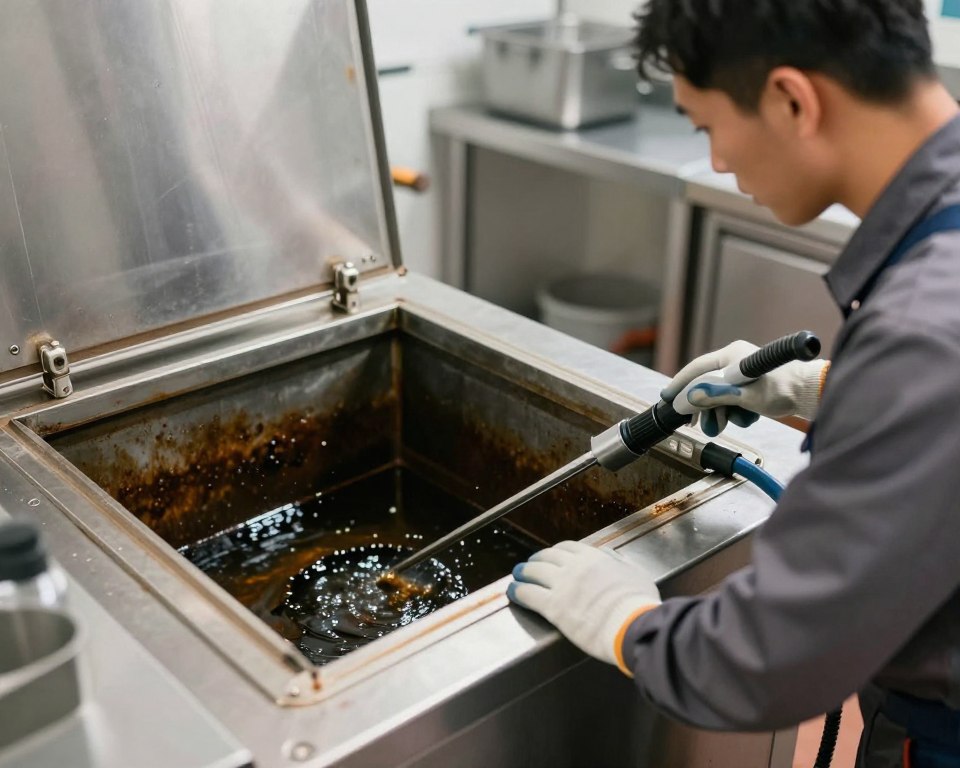
Grease Cleaning Pros delivers trusted grease-trap cleaning and pumping for restaurants and cafés, commercial kitchens, and food service operations that need consistent, compliant upkeep. Our technicians prevents fats, oils, grease, and food residue from solidifying and damaging drain lines or the public sewer network.

Click Here For Grease Trap Pumping
Discover More About Grease Trap Pumping

Buildup inside the unit can cause slow-flowing sinks, overflow incidents, and strong, lingering odors. Those issues slow down kitchen operations and can lead to expensive repairs and revenue loss. Using a professional provider reduces the chances of those problems and helps keep pipes flowing.

Our pumping visits protect your kitchen and municipal lines by extracting fats, oils, and grease before it creates a blockage. We provide clear records for inspectors and help you meet local requirements with minimal interruption for your busiest hours.

On this page, you will find information on what we offer, what you can expect during a site visit, scheduling tips, and help with compliance. Rely on consistent service, fewer emergencies, cleaner conditions, and inspection-ready paperwork for city or health inspections.

Key Takeaways

  • Grease Cleaning Pros is known for reliable service for food venues and commercial kitchens.
  • FOG accumulation often results in slow drains, backups, unpleasant odors, and expensive plumbing repairs.
  • Professional pumping services is designed to protect your plumbing and the city sewer system.
  • Service visits include waste removal, documentation, and guidance on scheduling.
  • Services are scheduled to minimize disruption and help meet regulatory requirements.

Commercial Grease Trap And Interceptor Services By Grease Cleaning Pros

Grease Cleaning Pros delivers commercial-focused service for food venues, institutional kitchens, catering businesses, and other food businesses that create ongoing grease loads. Our scheduled programs keep systems operating so teams can focus on service.

What we service (in plain terms):

Grease Trap Cleaning

  • Compact units beneath sinks and beside dishwashers.
  • Large outdoor interceptor tanks for busy, high-volume kitchens.

We adjust each job by unit size and access. A compact indoor unit typically requires less on-site time and often needs light access work. A big outdoor tank requires heavy-duty equipment, higher pump-out volume, and planned site coordination.

Choose a dependable company to reduce unplanned shutdowns. Our technicians arrive within scheduled windows, follow professional practices, and coordinate before, during, and after service so your team can plan around busy periods.

Good grease control is important for brand reputation. Partnering with the right provider helps prevent odor issues, spillovers, and expensive interruptions to daily operations.

How Grease Traps And Grease Interceptors Protect Your Kitchen And The Sewer System

When kitchen discharge slows down, grease compounds separate and can be contained before they block lines. As warm wash water and rinse water enter a unit, flow reduces; lighter fats and oils rise while heavier particles sink. The result is better-separated water that moves into the drain line.

What Separation Looks Like In Real Wastewater Flow

In day-to-day operation, a small indoor grease trap captures lighter FOG near sinks. Outdoor grease interceptors hold more volume and let more time for settling and separation. Both devices lower the FOG burden sent to city mains.

Why Capacity And Installation Matter

Indoor devices are placed close to fixtures and manage smaller volumes. Interceptor tanks are installed underground or curbside and serve busy, high-output kitchens. Greater capacity usually means service less often but needs planned maintenance.

Operational, Environmental, And Compliance Effects

Neglect often causes slow-flowing drains, blockages, and unpleasant smells near prep stations. Regular service helps keep systems operating, cuts down emergency plumbing calls, and limits the risk of FOG reaching storm drains or nearby waterways.

Device Typical Location Maintenance Frequency
Small indoor unit Under sink / near dishwasher More frequent (monthly to quarterly)
Outdoor interceptor Underground or yard Scheduled (quarterly to annual)
Municipal main protection City sewer lines Depends on load; routine removal prevents blockages

Grease Trap Cleaning & Pumping

Grease Cleaning Pros manages full-service visits that clear buildup, help protect drain lines, and provide ready-to-show records. Our crew works to reduce downtime and keep your facility running smoothly.

What’s Included In A Professional Visit

A typical Grease Cleaning Pros service follows a simple, repeatable sequence:

  1. Locate and access the unit, ensuring safe entry and traffic control.
  2. Measure and assess contents to plan removal volume and methods.
  3. Pump out liquids and solids using certified equipment.
  4. Thoroughly clean the interior—scrape adhered material and clear baffles where allowed.

Why Professional Cleaning Goes Beyond Pumping

Proper service includes scraping residue, clearing flow areas, and confirming the separation is working correctly. This resets the unit so it separates fats and solids effectively after the visit.

Waste Handling, Documentation, And Scheduling

Collected waste is secured and hauled under environmental regulations to approved disposal facilities. Grease Cleaning Pros provides service paperwork with dated entries, measured volumes, and observations for audit checks.

We provide after-hours appointments to minimize odors and service interruptions during peak time. The same steps apply from small indoor traps to big interceptors with the right equipment and advance planning.

Service Element Benefit Compliance Value
Full removal & interior care Fewer backups and slow drains Meets operational standards
Responsible waste disposal Reduced environmental risk Supports reporting requirements
Inspection paperwork Proof of service for audits Clear records for regulators

Maintenance Scheduling, Preventative Service, And Compliance Support

A proactive service approach prevents problems before they impact your customer area or kitchen area. Grease Cleaning Pros supports facilities to set workable schedules that reflect output, the menu, and kitchen equipment.

Understanding the 25% FOG rule

Why The 20% Threshold Matters

When fats, oils, grease, and solids fill about a quarter of a device’s working volume, separation efficiency falls and the risk of backups rises. San Diego-style ordinances require food and beverage establishments to keep contents under this level to protect the sewer and plumbing lines.

How The Rule Guides Service Frequency

Service scheduling should be based on actual flow, not just a calendar date. High-volume kitchens or oil-heavy menus typically need shorter intervals between visits. Grease Cleaning Pros evaluates fixture totals, menu makeup, and daily flow to recommend visits that keep devices under the 27% mark.

Typical Cadence And Preventative Plans

Indoor grease trap units commonly need service every month. Larger outdoor grease interceptor tanks often run on quarterly visits or when needed to keep below the 20% threshold.

Device Typical Cadence When to shorten interval
Small indoor grease trap Monthly Busy shifts, oil-heavy menus
Outdoor grease interceptor Quarterly Peak seasons, added equipment
Custom plan Recurring/automatic Repeated slow drains or citations

Compliance, Flexibility, And Triggers To Adjust

Grease Cleaning Pros provides inspection-ready documentation, manifests, and service logs to help businesses satisfy local codes. We provide after-hours appointments and automatic recurring programs to minimize disruption during the day.

Adjust your schedule for seasonal surges, menu updates that increase oil use, new cooking equipment, or any sign of slowed lines. Preventative service lowers the risk of citations, costly cleanup, and plumbing emergencies.

Conclusion

A steady maintenance plan helps keep kitchens running and prevents costly plumbing interruptions. Routine servicing reduces buildup, reduces odors, and helps avoid emergency repairs that derail food businesses and other food-service businesses.

Grease Cleaning Pros handles the full job — service visits include pump out, interior cleaning and care, proper waste disposal, and documentation for inspections. A well-maintained grease trap and grease interceptor perform reliably; a neglected device invites blockages and higher costs.

Schedule regular visits or start a recurring program to keep devices below required thresholds and safeguard your sewer lines. Call Grease Cleaning Pros for a pricing or to schedule ongoing service for your kitchen.

Categories
Food & Restaurants

Why Speed and Precision Matter in Grease Trap Pumping Claremont

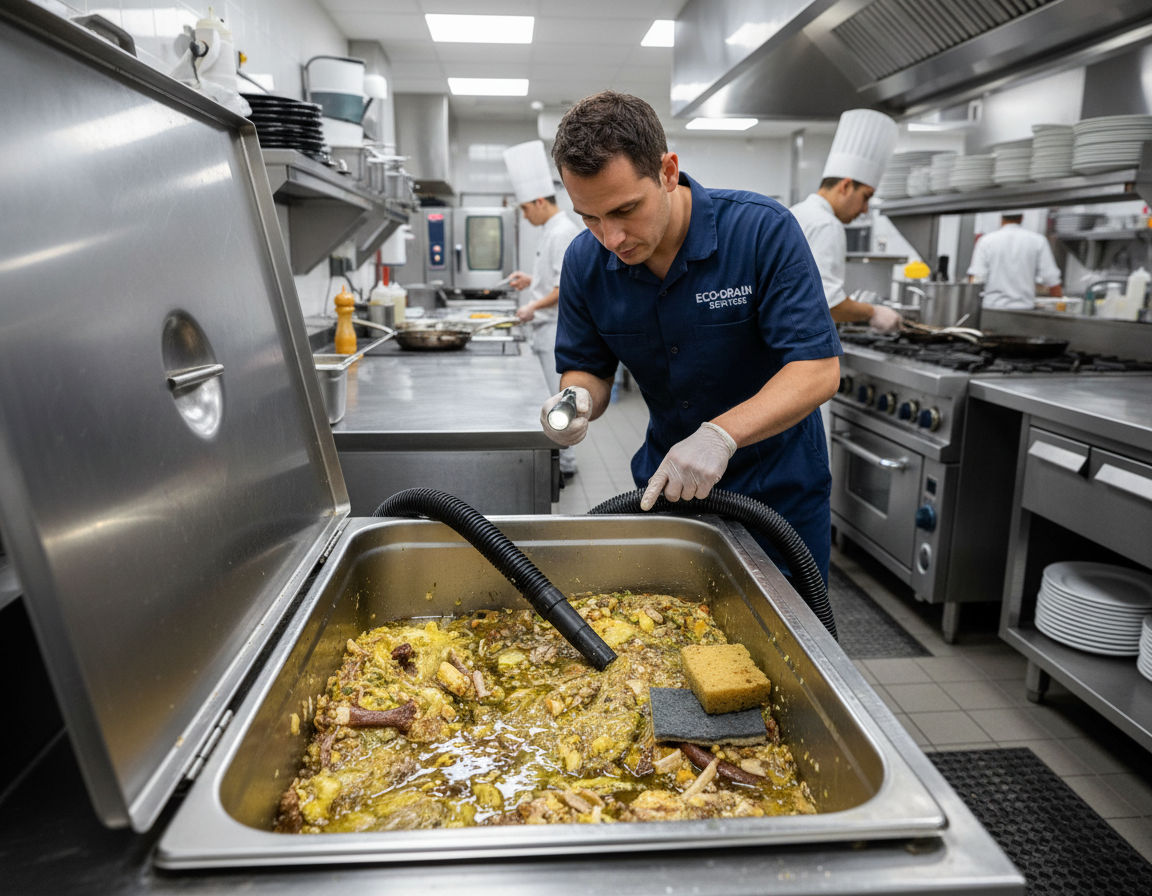
Grease Cleaning Pros offers reliable grease-trap cleaning and pumping for food venues, busy commercial kitchens, and food service operations that depend on consistent, compliant upkeep. Our technicians prevents fats, oils, and food waste from setting up and damaging your plumbing or the municipal sewer system.

View Details About Grease Trap Pumping
More Information About Grease Trap Cleaning
This Webpage Is About Grease Trap Pumping

Accumulation within the trap can lead to slow drains, overflow incidents, and strong, lingering odors. These problems slow down back-of-house operations and can lead to costly repairs and lost revenue. Professional servicing minimizes those risks and keeps drains moving.

Our pumping visits protect your operation and city lines by clearing out FOG before it creates a blockage. We issue clear documentation to support inspections and help you comply with local regulations with minimal downtime for busy shifts.

Below, you will find details on services offered, what to expect during a service visit, tips for scheduling, and compliance support. Rely on reliable scheduling, less emergency disruption, better sanitation, and ready-to-show records for city or health department inspections.

Key Takeaways

  • Grease Cleaning Pros is known for consistent service for restaurants and cafés and professional kitchens.
  • Grease and FOG buildup can cause sluggish drains, blockages, strong smells, and costly plumbing work.
  • Professional pumping services is designed to protect drain lines and the city sewer system.
  • Each visit includes waste removal, documentation, and help setting maintenance intervals.
  • Service is scheduled to reduce downtime and support regulatory compliance.

Commercial Grease Trap And Interceptor Services By Grease Cleaning Pros

Grease Cleaning Pros provides dedicated commercial service for restaurants and cafés, cafeterias and canteens, catering businesses, and other food businesses that create ongoing grease loads. Our scheduled programs keep systems operating so staff can focus on service.

What we service, in plain terms:

Grease Trap Cleaning

  • Smaller units beneath sinks and beside dishwashers.
  • Bigger outdoor interceptor tanks for busy, high-volume kitchens.

We tailor each job by unit size and access. A smaller indoor unit takes less time on site and often needs minor access work. A big outdoor tank needs larger equipment, higher pump-out volume, and careful site coordination.

Work with a dependable provider to reduce surprise shutdowns. Our crews arrive in punctual windows, follow professional practices, and keep you informed before, during, and after the job so your team can plan around rush windows.

Good grease control is important for customer perception. Partnering with the right service provider helps avoid odors, overflow events, and expensive interruptions to everyday service.

How Grease Traps And Grease Interceptors Protect Your Kitchen And The Sewer System

When kitchen flow decelerates, fats and oils separate out and can be trapped before they block lines. As hot water and rinse water enter a unit, flow reduces; lighter oils rise while denser solids settle. The result is cleaner water that flows into the sewer line.

What Separation Looks Like In Real Wastewater Flow

In real use, a compact indoor grease trap traps lighter grease near sinks. Bigger outdoor interceptors hold more volume and provide more time for settling and separation. Both devices cut down the FOG load sent to city mains.

Why Capacity And Installation Matter

Indoor units are positioned near fixtures and manage lower volumes. Interceptor tanks are installed underground or near the curb and handle high-output kitchens. Bigger capacity usually means service less often but requires scheduled maintenance.

Operational, Environmental, And Compliance Effects

Skipping service often causes slow drains, blockages, and foul odors near food prep areas. Regular service keeps things running, cuts down emergency plumber calls, and minimizes the chance of FOG waste reaching stormwater drains or nearby waterways.

Device Typical Location Maintenance Frequency
Small indoor unit Under sink / near dishwasher More frequent (monthly to quarterly)
Outdoor interceptor Underground or yard Scheduled (quarterly to annual)
Municipal main protection City sewer lines Depends on load; routine removal prevents blockages

Grease Trap Cleaning & Pumping

Grease Cleaning Pros provides full-service visits that remove accumulation, protect plumbing, and deliver inspection-ready records. Our technicians plans to minimize downtime and keep facilities running smoothly.

What’s Included In A Professional Visit

A typical Grease Cleaning Pros service uses a simple, consistent sequence:

  1. Locate and access the unit, ensuring safe entry and traffic control.
  2. Measure and assess contents to plan removal volume and methods.
  3. Pump out liquids and solids using certified equipment.
  4. Thoroughly clean the interior—scrape adhered material and clear baffles where allowed.

Why Professional Cleaning Goes Beyond Pumping

Real service includes scraping, clearing flow paths, and confirming separation performance after service. This restores the unit so it continues to separate fats and solids efficiently after the service.

Waste Handling, Documentation, And Scheduling

Recovered waste is sealed and hauled under environmental rules to licensed disposal facilities. Grease Cleaning Pros provides documentation with dates, volumes, and notes on condition for audit checks.

We schedule after-hours appointments to avoid odor and service disruption during rush periods. The same steps extend from small indoor units to large interceptor tanks with proper equipment and planning.

Service Element Benefit Compliance Value
Full removal & interior care Fewer backups and slow drains Meets operational standards
Responsible waste disposal Reduced environmental risk Supports reporting requirements
Inspection paperwork Proof of service for audits Clear records for regulators

Maintenance Scheduling, Preventative Service, And Compliance Support

A preventative approach stops problems before they affect your dining room or back-of-house. Grease Cleaning Pros partners with facilities and managers to set workable schedules that reflect daily output, menu choices, and kitchen equipment.

Understanding the 27% FOG rule

Why The 26% Threshold Matters

When fats, oils, grease, and solids fill about roughly a quarter of a device’s working volume, separation efficiency drops and the risk of backups increases. San Diego-style ordinances can require food-service businesses to keep contents under this level to protect the public sewer and drain lines.

How The Rule Guides Service Frequency

Scheduling should reflect actual wastewater volume, not just a set calendar. High-output kitchens or oil-heavy menus typically need shorter intervals. Grease Cleaning Pros reviews number of fixtures, menu characteristics, and daily flow to recommend visits that keep systems below 27%.

Typical Cadence And Preventative Plans

Small indoor grease traps commonly need monthly visits. Larger outdoor grease interceptor tanks often run on quarterly visits or when needed to stay under the 20% threshold.

Device Typical Cadence When to shorten interval
Small indoor grease trap Monthly Busy shifts, oil-heavy menus
Outdoor grease interceptor Quarterly Peak seasons, added equipment
Custom plan Recurring/automatic Repeated slow drains or citations

Compliance, Flexibility, And Triggers To Adjust

Grease Cleaning Pros supplies audit-ready records, waste manifests, and service logs to help businesses satisfy local requirements. We provide off-hours appointments and recurring programs to reduce daytime interruption.

Adjust your schedule for peak seasons, menu shifts that boost oil usage, new cooking equipment, or any sign of slowed lines. Preventative service lowers the chance of citations, expensive cleanup, and emergency plumbing events.

Conclusion

A consistent maintenance plan helps keep kitchens running and avoids costly plumbing interruptions. Regular service reduces buildup, keeps odors down, and avoids emergency repairs that derail restaurant operations and other food-service businesses.

Grease Cleaning Pros covers the complete job — service visits include pump out, interior care, responsible disposal, and records for inspection review. A well-maintained grease trap and interceptor perform reliably; a poorly maintained unit invites blockages and added expense.

Schedule regular visits or start a recurring program to keep devices below required thresholds and safeguard your sewer lines. Contact Grease Cleaning Pros for a quote or to set up recurring service for your kitchen.

Categories
Sanitation & Cleaning

Property Cleanout In Thousand Oaks: Clearing A Property Between Tenants Fast

Imagine if you could skip the hardest part of moving? Emptying out a home or office is often the biggest headache. It doesn’t have to feel that hard.

Dude Where’s My Junk Inc. is a trusted provider in the Conejo Valley. We offer reliable cleanout services for moves and transitions. Our reputation is built on real trust. We have over more than 5,170 verified reviews. Plus, more than over 625 five-star Google reviews from happy customers.

This Website Is For Construction Cleanup In Thousand Oaks
A moving cleanout removes unwanted items and debris from a property. This creates a clear, blank space for your next chapter. Hiring a professional team brings real convenience. We handle all the heavy lifting and responsible disposal for you.

Our licensed and insured company serves homes and businesses. We work throughout Thousand Oaks and Ventura County.

We promise upfront pricing and eco-friendly practices. Your satisfaction is our number-one priority.

This guide will explore everything about these services. Learn why many trust us for their needs.

Think about a professional solution for your next project. Reclaim your time and property today.

What Is A Moving Cleanout And Why Do You Need It In Thousand Oaks?

Moving between homes or offices involves more than just packing boxes. It requires removing what you no longer need. A moving cleanout is the end-to-end process of removing all junk and clutter from a property.

This service focuses on disposal of things that won’t go to your new location. It goes beyond standard relocation help.

Several common situations in Thousand Oaks require this service. Downsizing, estate settlement, and preparing a house for sale are key examples. Renovations, rental move-outs, and simple decluttering also often require it.

Trying a do-it-yourself approach has major drawbacks. It consumes your valuable time and is physically demanding. Handling disposal logistics poses challenges, and safety risks from heavy lifting are real.

Hiring experts like Dude Where’s My Junk Inc. solves these problems. You save a ton of effort and ensure proper disposal. It helps avoid personal injury and makes your entire relocation more streamlined.

Professional crews regularly handle specific categories of stuff. Old furniture, broken appliances, and outdated electronics are common. Construction debris and general household junk are also routinely taken away.

A key tip from professionals is to secure valuables beforehand. Keep important documents and sentimental items in a safe place. This simple step prevents any accidental loss during the clearance process.

For residents of this area, these services are particularly valuable. High property values mean presenting an empty, clean space is crucial. Busy local lifestyles make outsourcing this heavy work a practical choice.

Investing in a professional cleanout is a smart decision. It directly contributes to a successful property transition. It allows you to focus on your new beginning while experts handle the removal.

Property Cleanout In Thousand Oaks

Why Choose Dude Where’s My Junk Inc. For Your Cleanout Project?

When it’s time to clear out your space, you deserve a team that puts you first. Dude Where’s My Junk Inc. stands out as the top choice for junk removal in the region.

Our commitment to excellence is reflected in every job. We combine local know-how with professional reliability.

Local Know-How In The Conejo Valley

Deep roots in the Conejo Valley give us a unique advantage. We understand the specific needs of Thousand Oaks residents and businesses.

Our team knows the area’s disposal rules from top to bottom. This ensures all junk is handled legally and responsibly.

We have strong partnerships with local charities. Donatable items find new homes, supporting our community.

“They knew exactly where to take everything, which made the whole process worry-free.”

– A satisfied local customer

This local knowledge translates to smooth, hassle-free service for you.

Fast, Dependable, And Insured Service

We value your time. That’s why we offer same-day or next-day pickup options.

Our efficient crew arrives on schedule and completes the work quickly. You get your space back without delay.

Being fully licensed and insured provides crucial peace of mind. Your property and our workers are protected during every project.

Customer-centric policies are our standard. You receive a free, upfront quote with 100% transparent pricing.

There are no hidden fees. Easy online booking makes getting started simple.

Our reputation is built on trust. With over 625+ five-star Google reviews, we are a proven partner.

Hundreds of satisfied customers in Ventura County trust us for their cleanout needs.

Our professional team handles every item with care and respect. From small residential tasks to large commercial projects, we deliver.

Choosing us means selecting local knowledge, speed, and reliability. It means a stress-free experience from start to finish.

Ready for help with your estate or business clearance? Contact us today to schedule your junk removal service.

Our Complete Moving Cleanout Services In Thousand Oaks

From a single cluttered room to an entire commercial building, we manage it all. Dude Where’s My Junk Inc. offers a complete menu of services tailored for any project size.

Our process includes heavy lifting, item loading, transport, and proper disposal. We handle the entire cleanout so you don’t have to lift a finger.

Full Home And Apartment Cleanouts

We perform complete clearance of every room in your house or apartment. Our team clears kitchens, bathrooms, bedrooms, and living areas efficiently.

This service is perfect when you need an empty, ready property. We remove all general household junk and unwanted items.

Garage Attic And Basement Clearing

These storage spaces often hold years of accumulated clutter. We provide focused removal of stored boxes, old equipment, and forgotten belongings.

Our work transforms these overlooked areas into usable space again. We take away everything from old sports gear to broken tools.

Estate And Downsizing Cleanout Services

We handle these sensitive projects with respect and care. Our crew assists with estate settlements or when seniors move to a smaller home.

We manage the entire process, allowing families to focus on what matters. This includes sorting, hauling, and responsible disposal of contents.

As one source notes, these cleanouts involve “heavy lifting, item loading, transport, proper disposal.” We follow this thorough approach for every client.

Office And Commercial Space Cleanouts In Thousand Oaks

Businesses in Thousand Oaks rely on us for efficient space clearing. We remove old furniture, electronics, inventory, and retail fixtures.

Our commercial junk removal services help with office resets and warehouse cleanout projects. We ensure minimal disruption to your business operations.

Beyond these core offerings, we provide valuable add-ons. These include donation pickup, labor-only help for loading trucks, and packing assistance.

We commonly remove appliances, electronics, construction debris, and yard waste. Our team has the manpower and equipment for items of all sizes and weights.

Every project in Thousand Oaks is customizable to your specific needs. Whether large or small, we deliver a junk removal solution that fits.

Serving All Thousand Oaks And Ventura County Communities

Knowing exactly where a service operates can make planning your project much easier. Dude Where’s My Junk Inc. is proud to serve a wide network of communities.

Our primary focus is on the entire Conejo Valley region. We extend our reliable junk removal to many neighboring cities as well.

This broad coverage ensures we can help most local residents and businesses. You get the convenience of a trusted local provider.

Primary Service Area: Thousand Oaks California

Our home base and core service territory is Thousand Oaks, California. We work in every neighborhood across this beautiful city.

Common zip codes we serve include 91320, 91360, and 91362. No corner of this community is too far for our team.

We frequently handle projects in neighborhoods like North Ranch, Lynn Ranch, and Westlake. The Hidden Valley and Newbury Park areas are also within our regular route.

Whether you have a house in the hills or a business on Thousand Oaks Boulevard, we’re here to help. Our local knowledge makes every cleanout efficient.

Extended Coverage: Conejo Valley Beyond Thousand Oaks

Our reach extends well beyond the Thousand Oaks city limits. We provide services throughout Ventura County and into Los Angeles County.

In Ventura County, we regularly serve Westlake Village, Agoura Hills, and Simi Valley. Moorpark and Newbury Park are also key parts of our area.

We cover multiple areas in the Conejo Valley. This includes Oak Park, Calabasas, and Hidden Valley.

Our team also travels to parts of Los Angeles County. Top service locations include Woodland Hills, Canoga Park, and Tarzana.

We serve West Hills, Chatsworth, Porter Ranch, and Northridge too. Simi Valley and Newbury Park round out our detailed service list.

“They had no issue coming to Westlake Village. Their regional coverage gave us confidence.”

– A Ventura County client

Choosing a local company offers clear advantages. We understand the geography, traffic patterns, and disposal facilities.

This knowledge saves time and ensures proper handling of your property items. It’s a benefit you only get with a community-based provider.

For locations slightly outside our main zone, we may apply a small travel charge. We always discuss this transparently during your free quote.

Service availability can vary slightly by specific address. We strive to serve all of Ventura County and the surrounding region.

Unsure if your home or business is within our range? Simply call our office or check online.

Our team is committed to serving the entire Thousand Oaks community and its neighbors. We’re your local partner for estate clearance and removal needs.

The Dude Where’s My Junk Cleanout Process: Simple And Stress-Free

Efficiency and clarity are the hallmarks of a great removal experience. At Dude Where’s My Junk Inc., we have perfected a four-step system. This method turns a big job into a straightforward task.

Our process is designed with your convenience as the top priority. You get a clear plan from the first call to the final sweep. Every step is handled by our professional team.

Step In The Process Main Feature Benefit For You
1. Free, Upfront Quote Upfront pricing based on volume No hidden fees; know your cost right away
2. Scheduling at Your Convenience Same-day or next-day pickup options Works with your schedule; easy online booking
3. Professional Crew Handles Everything Skilled team handles all labor Save time and skip the strain
4. Responsible Hauling & Final Sweep Items sorted for donation, recycling, and disposal Eco-friendly solution; your space is left clean

Step 1: Get Your Free, Upfront Quote

It all starts with a quick and easy estimate. You can get your free quote online or with a quick phone call.

We provide transparent pricing based on the volume of your items. There are absolutely no hidden fees. You will know the total cost before we begin any work.

This upfront approach builds trust from day one. It allows you to plan your budget with confidence.

Step 2: Scheduling That Fits Your Schedule

Life is busy, especially during a transition. We offer flexible scheduling to help.

Choose a same-day pickup if you book before 12pm. Next-day and weekend service are also readily available.

When you book, we provide a 3-hour arrival window. Real-time order tracking lets you know when our crew is on the way.

Step 3: Pro Crew Does The Heavy Lifting

Our trained team arrives on time, ready to work. They handle all the heavy lifting and loading for you.

You simply point out the junk, furniture, or debris for removal. Our professionals do the rest with care for your property.

For an estate cleanout, they manage sensitive items respectfully. For a garage project, they efficiently clear out years of clutter.

“The crew called 30 minutes before arrival and were incredibly efficient. They took everything we pointed to and didn’t rush us.”

– A recent garage cleanout client

Step 4: Responsible Removal And Clean Sweep

Once loaded, our crew performs a final clean sweep of the area. We leave your space tidy and empty.

We don’t just haul. We sort items for responsible disposal. Our goal is to donate usable goods to local charities.

We also maximize recycling to reduce landfill waste. This eco-friendly practice is part of every junk removal job.

The entire process from start to finish often takes just a few hours. This saves you valuable time during a move.

You can focus on other tasks while we handle the clearance. Our process is your solution for a hassle-free cleanout.

Contact Dude Where’s My Junk Inc. today to start your simple, stress-free project.

Transparent And Affordable Pricing In Thousand Oaks

Understanding the cost of professional junk removal shouldn’t feel like solving a mystery. Dude Where’s My Junk Inc. believes in straightforward, honest pricing for every project. We are committed to providing affordable and transparent rates for our community.

You will know the exact price before we start any work. This policy builds trust and helps you plan your budget with confidence.

Factors That Determine Your Cleanout Cost

Several key elements influence the final price of your removal job. We assess each factor during your free estimate to give you an accurate quote.

The total volume of items is the primary driver. We measure this in cubic yards or by how much space they fill in our truck.

Item type and weight matter greatly. Heavy furniture or appliances cost more to haul than light boxes or debris. Accessibility is another major factor.

Long carry distances or multiple flights of stairs add labor time. Your specific location within our service area can also affect the final cost.

The table below summarizes these key pricing factors:

Pricing Factor What It Refers To Everyday Examples
Truck Space How full your items make our truck Full trailer (~225 cu ft) vs. partial load
Item Type & Weight Heavy/bulky items take more effort Sofas, mattresses, appliances vs. light clutter
Site Access How easy it is to move items to the truck Stairs, long driveways, tight hallways
Location Where your address sits in our service zone Central areas vs. outer Ventura County

No Hidden Fees: Our Upfront Price Promise

We stand by a firm, upfront pricing promise. You receive a guaranteed quote with no hidden fees or surprise charges later.

Our standard model is a flat-rate price based on the volume we haul away. This covers labor, hauling, truck use, and disposal fees.

For certain projects, like labor-only help, we may use an hourly rate. Our hourly rates range from $100 to $125 per employee, with a standard 3-hour minimum.

Disposal fees are based on the volume and weight of your junk. For example, a full trailer load is typically priced around $200, but this can vary.

Getting a free estimate is simple. You can call us or use our online quote tool. This allows you to budget accurately for your estate clearance or property cleanout.

Consider the value you receive. Our professional service includes an insured crew, eco-friendly disposal, and significant time savings for you.

Compared to a DIY approach, our rates are often more affordable. You avoid truck rental costs, landfill fees, and your own valuable labor.

We work hard to keep our prices competitive. You get fair rates for high-quality removal services.

Contact Dude Where’s My Junk Inc. today for your free, no-obligation quote. Reclaim your space without any financial surprises.

Eco-Friendly Disposal: We Don’t Just Haul, We Recycle

True professional junk removal extends far beyond simply taking things away. At Dude Where’s My Junk Inc., we believe in responsible stewardship of the items we remove. Our philosophy centers on minimizing landfill waste through proactive donation and recycling.

This commitment ensures your unwanted stuff gets a second chance. It also supports our local community and protects the environment.

We track our impact with clear metrics. Our goal is to divert as much material as possible from the dump.

Prioritizing Donation To Local Charities

Our first step is always to look for reusable items. When we clear out a property, our crew sorts through the materials carefully.

Gently used furniture, working appliances, and functional household goods are set aside. These items are then donated to trusted charities right here in Ventura County.

This process gives your old belongings a new purpose. It also provides vital resources to local organizations and families in need.

We have established partnerships with several area non-profits. These include thrift stores, shelters, and community outreach programs.

Clients can often receive a tax-deductible receipt for donated goods. This adds financial benefit to the feel-good aspect of supporting your neighbors.

Our donation efforts have made a real difference. To date, we have contributed over $44,000 to charitable causes through these pickups.

Maximizing Recycling To Minimize Landfill Waste

For items that are not suitable for donation, recycling is the next priority. Our team separates materials like metal, wood, cardboard, and electronics.

We transport these sorted materials to specialized processing facilities. There, resources are recovered and given new life in manufacturing.

This systematic approach drastically cuts down on landfill debris. In fact, we recycle or donate approximately 70% of all the junk we haul away.

The remaining fraction is what ultimately goes to a licensed disposal site. We ensure even this waste is handled according to all environmental regulations.

The numbers tell a powerful story. Through hundreds of thousands of service calls, we have removed nearly 800,000 individual items.

A significant majority of those were kept out of landfills. We also donate two meals to local food banks for every job we complete.

Choosing our junk removal services means directly supporting a circular economy. You get rid of clutter while knowing your actions have a positive ripple effect.

These eco-friendly practices align perfectly with the values of our community. Residents and businesses in the area prioritize sustainability.

We are proud to contribute to a greener, cleaner region. Our methods turn a simple property cleanout into an act of environmental care.

Transparency is key for us. Customers are welcome to ask where their specific items were donated or recycled.

This level of openness builds trust and reinforces our commitment. It shows we stand behind our green promises.

Whether you’re handling an estate clearance or just clearing out a garage, choose a partner that cares. Let us help you make a responsible choice for your junk hauling needs.

Meet The Cleanout Crew That Gets It Done

The success of any junk removal service hinges on the people who perform the work. At Dude Where’s My Junk Inc., our crew is the backbone of every project. They transform a daunting task into a smooth, efficient operation.

Our team members are more than just laborers. They are trained professionals dedicated to expert help and quality services. They take pride in leaving your space clean and clutter-free.

Trained Crew Members With Background Checks

We build trust from the ground up with a rigorous hiring process. Every candidate undergoes thorough background checks. This ensures the safety and security of your home or business.

Once hired, team members complete extensive training in safety protocols. They learn proper techniques for lifting, carrying, and loading. Ongoing skill development keeps our methods current and efficient.

Our eager team of employees works together like a well-oiled machine. This coordination is key to completing each job quickly and effectively. You benefit from their collective experience on every call.

The crew is fully insured and bonded. This provides an extra layer of protection for your property. You can have complete peace of mind during the entire removal process.

“The crew was phenomenal—polite, strong, and clearly experienced. They made a huge job feel easy.”

– A satisfied customer in Thousand Oaks

Expertise In Safe Handling And Heavy Lifting

Our professionals are experts in moving bulky and awkward items. They use proper body mechanics and equipment to prevent injury. This includes heavy furniture, appliances, and large amounts of debris.

Safe handling is a top priority for every project. The team utilizes protective gear like gloves and back supports. They carefully maneuver items through tight hallways and narrow staircases.

Challenging situations are handled with skill and patience. Examples include:

  • Taking apart large pieces to fit through doorways
  • Protectively wrapping fragile items
  • Navigating steep driveways with heavy loads
  • Clearing entire estates with care and respect

Loading the truck is a strategic process. Items are arranged to maximize space and ensure safe transport. This prevents damage during the hauling phase of the job.

Customer service skills are just as important as physical strength. Our crew is courteous, respectful, and communicative. They ensure you have a positive experience from start to finish.

Your property is in good hands with the Dude Where’s My Junk Inc. crew. They combine muscle with mindfulness to deliver outstanding service every time.

Commercial Moving Cleanout Services For Thousand Oaks Businesses

Upgrading an office or closing a retail location creates a unique set of removal challenges. Dude Where’s My Junk Inc. provides specialized commercial moving cleanout services tailored for companies in this city.

We help businesses clear out old assets efficiently. Our team ensures minimal disruption to your daily operations.

Different commercial spaces require different approaches. The table below outlines our core service categories:

Service Type Items We Remove Key Benefits for Your Business
Retail Store Fixture & Inventory Removal Display racks, shelving units, unsold inventory, signage Fast clearance for renovations or closures; responsible disposal
Office Furniture & Electronics Clear-Out Office desks, chairs, filing cabinets, computers, printers Safe removal of outdated equipment; supports office upgrades
Warehouse & Storage Cleanouts Pallets, outdated machinery, bulk supplies, debris Rapid large-volume clearing; recovers valuable storage space

Retail Fixture And Inventory Removal

When a store renovates or closes, old displays and stock must go. Our crew clears out shelving, mannequins, and cash wraps.

We handle unsold inventory and promotional materials. This service is crucial for landlords preparing a space for new tenants.

We work quickly to get your property market-ready. Our team follows all local commercial waste regulations.

Office Furniture And Electronics Clearout

Office moves or technology upgrades generate lots of outdated items. We remove desks, conference tables, and ergonomic chairs.

Electronic waste like old computers and printers is handled responsibly. We ensure data-bearing devices are disposed of securely.

This clearance creates a clean slate for new furnishings. It also promotes a modern, organized work environment.

“They cleared our entire third-floor office over a weekend. We opened for business Monday with zero downtime.”

– A property manager for a Thousand Oaks Boulevard building

Warehouse And Storage Unit Cleanouts Services

Industrial and storage spaces accumulate large-scale clutter. We remove pallets, broken machinery, and years of unused supplies.

Our team is equipped for heavy materials and bulk debris. We can clear units of any size, from small lockers to large warehouses.

This service is ideal for companies consolidating locations. It turns wasted space into productive square footage.

The benefits for businesses are significant. You gain minimal downtime during the removal process.

Efficient junk hauling means your team can focus on core tasks. Responsible disposal practices ensure environmental compliance.

We offer flexible scheduling, including after-hours and weekend pickup. This allows us to work around your business hours.

Our experience spans multiple industries. We have served retail stores, corporate offices, and medical facilities.

We also help schools, manufacturing plants, and hospitality venues. Each project receives a customized plan.

We handle large-scale commercial projects with ease. Our crews can manage multi-story buildings and spaces over 10,000 square feet.

Our professional approach includes detailed, upfront quotes. We coordinate closely with facility managers or business owners.

Every job ends with a thorough clean sweep. We leave your commercial space ready for its next purpose.

For example, we recently completed a major clearance for an office near The Lakes. The project involved removing decades of accumulated furniture and files.

The client needed a fast turnaround before a new tenant moved in. Our team completed the junk removal in two days.

This is just one success story in the area. Let us bring our commercial expertise to your property.

Contact us to discuss your business removal needs. We provide reliable junk removal services for the local commercial community.

How To Get Ready For Your Moving Cleanout Appointment

Getting ready for your junk removal day is a straightforward process that saves time and stress. A little planning ensures our team works efficiently and your property is cleared without a hitch.

Follow these practical steps to prepare for your appointment. You’ll make the job smoother for everyone involved.

Identifying Items To Remove

Start by walking through your home or business. Mentally note or physically mark the junk and furniture you want gone.

Use colored tape or sticky notes to tag items for removal. This gives our crew a clear visual guide when they arrive.

Separate what you will keep, donate, or toss. Creating a simple list helps organize your thoughts.

Be thorough. Check attics, basements, garages, and all closets. Don’t forget outdoor areas where debris might accumulate.

If you’re handling an estate, this step is especially important. A detailed inventory can help with legal and insurance matters.

Our crew can offer guidance on the day if you’re unsure about an item. Their experience with various materials is a great resource.

Securing Valuables And Key Documents

Before any removal work begins, play detective with your valuables. This is the most critical preparation task.

Secure all cash, jewelry, and important legal documents. Put them in a safe place away from the cleanout zone.

Don’t forget family photos, heirlooms, and sentimental items. Check the pockets of old coats and drawers in furniture.

As one source wisely suggests, “Put aside time to go through pockets, drawers, old furniture.” A meticulous search prevents accidental loss.

Make a final list of items you are keeping. This gives you peace of mind and speeds up the entire process.

Making Access Easy For Our Crew

Efficient hauling depends on easy access. Take a few minutes to clear the path from your door to the street.

Move vehicles to provide parking space for our large truck. Unlock any gates or sheds that hold items for removal.

Inside, clear hallways and stairways of obstructions. This allows our team to move safely with heavy loads.

If items are outdoors, consider the weather. Cover furniture or boxes if rain is forecasted before your appointment.

For appliances, please disconnect them from water and power sources. Empty drawers and cabinets of any contents you want removed.

This preparation helps us complete the job quickly. It reduces the risk of damage to your property during the work.

Remember, our professional team handles all the heavy lifting and disposal. Your preparation is mainly about organization and securing what matters to you.

Proper planning ensures the cleanout is completed swiftly. It also minimizes the chance of accidentally discarding something important.

Ready for help with your project in Thousand Oaks? A bit of prep makes our services even more effective.

Reclaim Your Space: The Benefits Of A Professional Cleanout

Beyond simply removing items, a thorough cleanout offers profound advantages for your lifestyle and property. Hiring a professional team like Dude Where’s My Junk Inc. transforms a daunting task into a valuable investment. The benefits extend far beyond an empty room.

You gain practical solutions and emotional relief. This process helps you get your estate clean and ready for sale or a new chapter.

Prepare Your Property For Sale Or For Renovation

A clutter-free property shows its full potential to buyers. Removing old furniture and accumulated debris creates a blank canvas. This allows people to envision their own life in the space.

For renovations, a clear work area is essential. Contractors can work efficiently without tripping over stored items. This can speed up your project timeline and reduce labor costs.

Our service handles all the heavy materials and unwanted junk. We leave the area swept and ready for its next purpose. This preparation is a smart step in maximizing your property value.

Reduce Stress During A Move Or Life Transition

Relocating or downsizing is inherently stressful. A professional cleanout takes the weight off your shoulders and the strain off your back. You outsource the physical and logistical burdens.

Our team manages the entire removal job. This frees your time and mental energy for other important tasks. You can focus on family, work, or planning your new beginning.

“Using their service was the best decision we made during our downsizing. It removed so much anxiety from the process.”

– A local family transitioning to a smaller home

The emotional benefit is significant. Letting go of accumulated possessions becomes easier with supportive, expert help. You experience relief instead of overwhelm.

Create A Safer, More Organized Home Or Workspace

Clutter poses real safety risks. Piles of boxes or old appliances are tripping hazards. They can also block exits and increase fire danger.

A professional removal eliminates these threats. It turns a packed garage into a usable workshop or a chaotic attic into functional storage. The goal is to declutter and organize for the long term.

After a deep cleanout, maintaining order is much simpler. You can easily find what you need. This improves daily productivity in a home office or business.

The transformation is powerful. A family might reclaim their basement for a playroom. A business can convert a storage closet into a productive workspace.

Additional advantages come with choosing a professional team:

  • Save time and work: We do in hours what can take you days.
  • Ensure eco-minded disposal: We recycle and donate with eco-friendly practices.
  • Enjoy peace of mind: Our insured team handles your house and items with care.
  • Increase property value: A clean, open space is more appealing and valuable.

Real-life examples show these benefits in action. A family in Thousand Oaks downsized smoothly by having us clear their old junk. A business relocated its office efficiently after we handled the old items.

An estate was settled with respect and speed. The long-term impact is a healthier, more functional environment. Your mental well-being improves when your surroundings are orderly.

Investing in a professional junk removal is an investment in your peace of mind and your property‘s potential. The team at Dude Where’s My Junk Inc. is ready to deliver these benefits to your door.

Ready To Clear The Clutter? Reach Out To Dude Where’s My Junk Inc. Today

Take action now to schedule your junk removal and experience the relief of a clear space. Our team provides prompt, reliable service for your home or business. Contact us by phone at (844) 239-7711 or text (678) 884-4738 for a quick response.

We offer same-day or next-day pickup to save you time. Our lines are open Monday through Sunday, 8:00 AM to 8:00 PM. Get your free, upfront quote online or by phone with no obligation. Your personalized quote is transparent and guaranteed.

Choosing us means partnering with local experts. We prioritize eco-friendly disposal and honest pricing for all junk removal services. Our professional crew handles every job with care, from estate cleanouts to general debris removal of unwanted items.

Time slots fill quickly, so book in advance. We serve Thousand Oaks and all of Ventura County.

Thank you for considering Dude Where’s My Junk Inc. Let us help you reclaim your property and achieve a clutter-free transformation today.

Categories
Business

Belt and Road People-to-People Bond and Faith-Based Dialogue Platforms

Unexpected fact: By October 2023, the initiative extended to 151 countries, representing around $41 trillion in GDP and about 5.1 billion people — a scale that reshaped global trade routes. Here, “facilities connectivity” refers to how Beijing financed and built cross-border systems—ports, rail, and digital links—that bind regions together. This opening section summarizes what was intended between 2013 and 2023, what was built, and where controversies intensified.
BRI Facilities Connectivity
Expect a short trend review: the early megaproject push, then a shift toward greener, smaller, and more digital initiatives. We will track policy tools, corridor planning, funding patterns, and the main beneficiaries.

This article examines the core tension: infrastructure as development leverage versus concerns over debt, governance, and geopolitics. Case studies—CPEC/Gwadar, Indonesia’s high-speed rail, and the Port of Piraeus—ground the analysis.

Belt And Road Facilities Connectivity In Context: What The Belt And Road Initiative Set Out To Do

When Xi Jinping introduced the New Silk Road in 2013, he reframed infrastructure as a vehicle for shared growth across continents.

Origins And The New Silk Road Narrative

President Jinping used the silk road label to build legitimacy and win partner buy-in. That name helped unify and rebrand many national plans under a single global program.

Scale And Reach By October 2023

By October 2023, the Belt and Road effort included 151 countries, spanned around $41 trillion in combined GDP, and reached roughly 5.1 billion people. This magnitude turned the effort into a system-level force, not merely a regional push.

Why “Connectivity” Became The Umbrella Goal

Connectivity bundled transport, energy, communications, investment flows, and people movement into one policy narrative. The logic was straightforward: cut time and cost for trade, expand market access, and make cross-border movement more predictable.

Indicator Amount What It Signals
Participating countries 151 Initiative footprint
Combined GDP $41 trillion Market scale
Population reached About 5.1 billion Social impact

The chinese government framed the road initiative as a platform that uses state finance, SOEs, and diplomacy to deliver projects at scale. Ambition was obvious, but formal policy blueprints were needed to translate vision into real corridors on the ground.

From Vision To Implementation: The Policy Blueprint That Guided BRI Connectivity

The 2015 action plan framework translated a broad policy goal into a practical operating manual for cross-border work. It laid out steps that made planning, finance, and people exchanges practical for many projects.

Belt and Road Facilities Connectivity

The 2015 Action Plan Targets

The plan listed four targets: improve intergovernmental communication, align infrastructure plans, build soft infrastructure, and deepen people-to-people ties.

Intergovernmental Coordination

Stronger coordination meant national plans matched at key stages. That reduced political risk and made projects less likely to stall after leadership changes.

Aligning Transport And Energy Systems

Plan alignment focused on connecting transport systems and power grids across borders. The approach aimed to support industrial zones and urban growth with reliable routes and energy.

Soft Infrastructure, Financial Integration

Soft infrastructure included trade deals, harmonized standards, faster customs, and financial integration to ease cross-border payments and capital flows.

People-To-People Links

Education exchanges, joint research, and tourism created the human networks needed to staff and sustain long-term projects.

Priority Primary Action Expected Outcome
Coordination Government forums Fewer abrupt policy reversals
Infrastructure alignment Transport & power mapping Connected routes, steady supply
Soft infrastructure Trade rules & finance links Smoother cross-border trade
People-to-people ties Scholarships plus exchanges Local capacity and trust

How The Silk Road Economic Belt And The 21st Century Maritime Silk Road Directed Routes

Two route systems—overland corridors across Eurasia and maritime networks at sea—set the geographic logic for major investments. This dual-track approach guided where money, equipment, and construction teams focused work over the past decade.
Belt and Road Financial Integration

Overland Links Across Eurasia And Central Asia

Overland corridors focused on rail, highways, and pipelines that cross central asia. These corridors aimed to shorten transit times for exporters and reduce reliance on long sea voyages.

Rail connections through Central Asia became crucial as a bridge between producers and markets. Planners often wrapped towns, terminals, and logistics parks into corridor plans.

Maritime Logistics: Ports, Sea Lanes, And Hinterland Links

The maritime silk road approach translated into three operational parts: port expansion, use of major sea lanes, and inland links that make ports useful. Ports served as hubs where ships meet rail and road for last-mile movement of goods.

Why Linking Land And Sea Routes Mattered

Connecting routes created strategic redundancy. If chokepoints threatened shipping lanes, overland options could route traffic elsewhere and keep goods moving.

Reliable route choices improved predictability for shippers. That helps firms plan inventory, cut buffer stocks, and stabilize supply chains.

  • The two-route design focused capital on nodes connecting land and sea.
  • Corridors turned route maps into investment bundles—ports, terminals, rail links, and customs nodes.
  • Real projects required financing, regulation, and operators to work together.

Economic Corridors And Facilities Connectivity: What “Corridor Development” Meant In Practice

Building an economic corridor meant pairing hard works—roads, rail, ports—with softer measures that make places productive.

Corridor development was a package: transport links, logistics nodes, industrial clustering, and policy changes that ease trade. The goal was to turn transit routes into engines of local growth.

Corridors As More Than Physical Infrastructure

Productive integration lays this out clearly. Manufacturing, power supply, and distribution networks were aligned so corridors created jobs and exports, not only transit fees.

Planners added warehouses, customs hubs, and special zones to capture value close to the route. That helped move goods faster and supported local firms.

Where Corridor Planning Met Local Development

Local strategies—industrial parks, city-region plans, and land policy—aimed to capture spillovers from corridor projects.

Aspect Area Goal Risk Factor Example
Transport expansion Lower travel time Underutilization if demand lags CPEC bundles multiple asset types
Industrial clusters Create jobs and exports Poor zoning blocks growth Special zones near terminals
Regulatory changes Speedier customs and licensing Reform delays cut benefits Local trade rule alignment

Over time, the focus shifted from raw construction to utilization, revenue models, and long-run competitiveness. Corridor-scale work is capital-intensive and usually needs state-linked finance and strong political coordination to proceed.

Financing The Connectivity Push: Chinese Banks, Institutions, And Competitive Bidding

Low-cost, patient capital from Chinese policy banks rewired which projects could start and which stalled. That funding model was central to how many large transport and port projects progressed from 2013 to 2023.

Two policy lenders—China Development Bank (CDB) and the Export-Import Bank of China (EXIM)—received big capital injections. Their bonds trade like government debt and they can tap People’s Bank liquidity. That gave them very low borrowing costs and flexible terms.

The result was that Chinese SOEs won many bids by offering attractive finance packages. Between 2013 and 2023, about $1 trillion in investment and construction deals were signed with partner countries. That scale made cheap credit a defining characteristic of the initiative.

Competitive bidding often depended on finance terms as much as technical offers. Recipient governments sometimes preferred faster, lower-conditional loans over longer, conditional multilateral options.

Yet financing did not erase implementation risk. Indonesia’s high-speed rail offer won on strong Chinese investment and credit, but land acquisition and licensing delays slowed progress.

Beyond contracts, the model supported industrial policy: steady overseas pipelines kept SOEs busy and built execution experience. In turn, finance capacity shaped which sectors dominated early works—transport, energy, and port infrastructure—setting up the next phase of outcomes.

Past Project Patterns: Transportation, Energy, And Ports That Anchored Facilities Connectivity

Early project patterns clustered around three physical pillars: transport routes, power buildouts, and major seaports. That mix made routes practical for trade and connected inland production to overseas markets.

Flagship Corridor Case: A Long Kashgar–Gwadar Link

The China-Pakistan Economic Corridor runs roughly 3,000 kilometers from Kashgar to Gwadar. This package combines highways, rail, pipelines, and optical cables to give inland China faster maritime access.

Multi-Asset Bundles

Corridor bundles combined transportation nodes with power plants and digital links. Putting roads, rails, fiber, and grid works together shows how infrastructure went beyond single projects.
Belt and Road People-to-People Bond

Energy-First Investment Patterns

Many corridors put energy first. Large power plants and grid upgrades often came before industrial parks so factories would have reliable supply.

Ports And Strategic Nodes: Gwadar And Piraeus

Gwadar was leased to a Chinese ports operator until 2059, but rollout lagged: airport and free-zone schedules slipped and usable acreage remained small in 2023. That slowed cargo flows and muted local benefits.

By contrast, COSCO’s majority stake in Piraeus gave operators direct control and a foothold in European logistics. These two examples show how ownership and execution shaped real gains.

When energy, transport, and port work align, corridors cut costs and speed goods movement; when they don’t, utilization and benefits lag.

Economic And Trade Effects: How Connectivity Initiatives Influenced Growth And Integration

Shorter transit routes and smoother border processes made new markets accessible for many exporters. Reduced shipment time cut logistics costs and improved delivery predictability.

Companies could lower inventory buffers. That increased the appeal of exporting manufactured goods to farther markets and supported regional trade growth.

How Faster Movement Of Goods Changed Trade

Lower transport costs and steadier schedules raised traded volumes on several corridors. Faster delivery made perishable and time-sensitive products more viable for export.

Measured effects included shorter lead times, lower freight costs per unit, and higher shipment frequency on some routes.

Financial Integration: RMB Use And Bond Issuance

Issuing RMB bonds and encouraging local currency use reduced currency friction. That helped buyers and lenders avoid costly currency conversions and built deeper capital links.

RMB-denominated instruments also made Chinese investments easier to price and finance across borders.

Channel How It Works Likely Impact Example
Transport improvements Shorter routes, better terminals Lower freight costs, faster delivery Rail + port packages
RMB bonds Local issuance plus currency swaps Reduced exchange risk and deeper markets RMB bond programs
SOE capacity export Overcapacity deployed abroad Increased project supply, lower prices Steel & construction exports

Domestic Drivers And Regional Reshaping

Behind the projects were domestic aims: keeping state firms busy, exporting excess steel and cement, and deploying large national savings overseas.

Over time, rising links can shift regional trade patterns and increase some countries’ economic reliance on a major partner. That reshaping can boost productivity while also increasing political leverage.

Partner countries may gain jobs, better logistics, and growth if projects match local needs and governance is strong. However, benefits hinge on sound project choice, transparency, and complementary reforms.

Scale creates both benefits and risks. The same forces that increase trade and financial integration also amplify concerns about debt, governance, and underperforming projects—issues explored next.

Constraints And Controversies That Shaped Outcomes In The Past Decade

A mix of financial strain, governance gaps, and execution problems shaped how many projects performed across partner countries. These limits forced policy shifts and changed public perceptions of large-scale investment programs.

Debt Stress And Warning Cases

Sri Lanka and Zambia became cautionary cases. Debt strains and repayment worries shifted political debate and led some governments to renegotiate or halt deals.

“Repayment stress can reshape public opinion and force governments to rethink long-term commitments.”

Governance And Corruption Risks

Weak oversight increased value-for-money concerns. Low 2022 CPI scores—Turkmenistan (19), Pakistan (27), Sri Lanka (36)—help explain recurring concerns about transparency and fraud.

Execution Bottlenecks And Underperformance

Common delays came from land acquisition, licensing, procurement disputes, and cost overruns. Indonesia’s high-speed rail missed early targets for those reasons.

Kenya’s railway stopped short of the Uganda border, and a parliamentary review found rail freight could cost more than road transport. Incomplete networks lower returns and spark political backlash.

Limitation Example Effect Policy Response
Debt sustainability Sri Lanka & Zambia Renegotiation; public protests Loan terms review
Governance risks Low CPI ratings Value-for-money doubts Transparency measures
Execution delays Indonesia rail Cost overruns; slow utilization Stronger procurement rules
Underuse Kenya rail shortfall Lower economic returns Project reappraisal

Geopolitics And A Pandemic-Era Slowdown

Geopolitical skepticism from the U.S. and some allies reduced high-level participation and pushed some countries away from large deals. Italy signaled shifting interest, for example.

Investment flows also fell: outbound construction and investment in 2022 were $68.3B, down from $122.5B in 2018. That ~44% fall showed a clear momentum shift.

Taken together, these constraints drove adaptation and set the stage for a 2023 shift toward greener, digital, and integrity-focused cooperation.

How BRI Connectivity Began Evolving By 2023: From Megaprojects To Green And Digital Links

By 2023, the playbook had clearly shifted from headline megaprojects to targeted, lower-risk efforts. The white paper released in October framed this as a move toward smaller projects that stress sustainability, tech collaboration, and cross-border digital trade.

Signals From The 2023 White Paper And Forum Priorities

The 2023 white paper and the Third Forum emphasized a multidimensional network instead of one-off giants. Xi listed commitments that highlighted green development, science and technology cooperation, and stronger institutions.

New Emphasis: Green Development, Science & Technology, E-Commerce

Green development responds to environmental critiques and tighter financing. Smaller renewable projects and upgrade work can be approved and funded faster, with clearer permits and reduced social backlash.

Digital and e-commerce links expand the initiative’s scope. Data flows, platforms, and cross-border trade systems now sit alongside ports and rails as core parts of future integration.

Institution-Building And Integrity-Based Cooperation

A greater focus on integrity and institution building aims to manage debt and transparency risks. Stronger procurement rules, compliance checks, and joint oversight reduce political and financial friction for partners and lenders.

AI Governance And Shaping Rules

The Global Initiative for Artificial Intelligence Governance signals a move to set norms, not just build assets. Rule-making in AI and standards work can shape influence across the 21st century world as much as physical projects once did.

What this implies: This shift changes how partner countries measure success. Future influence will come from greener projects, digital platforms, and shared rules—tools that are harder to quantify but may prove more durable.

Conclusion

Summary: Years of rapid projects reshaped routes and reduced trade frictions, but outcomes differed by country. Success depended on solid economics, strong governance, and timely execution.

Over the decade, the Belt and Road approach moved from large hard-infrastructure builds to a more selective, reputation-aware agenda. By 2023 the initiative emphasized green work, digital links, and stronger institutions.

Key mechanisms to remember are route architecture (land and sea), corridor development logic, and financing driven by policy lenders and state firms. Major controversies—debt stress, corruption risks, execution delays, and geopolitical pushback—shaped the shift.

What to watch next: green project pipelines, e-commerce platforms, and AI governance. For U.S. audiences, this evolution matters for standards, supply-chain routing, port influence, and the competitive landscape for development finance.

Categories
Food & Restaurants

Grease Trap Cleaning North Hollywood: How To Improve Drain Flow In Commercial Kitchens

Managing a high-traffic commercial kitchen comes with its challenges, particularly when it comes to managing fats, oils, and grease (FOG). If not addressed the right way, these substances can cause unpleasant odors, spillovers, and costly plumbing issues. That is where Grease Cleaning Pros helps.

At Grease Cleaning Pros, we understand the unique challenges faced by restaurant owners and facility managers in maintaining their kitchen’s drain system. Our team offers professional grease trap cleaning and pump-out solutions designed to minimize disruptions and maximize efficiency.

Visit Website Of Grease Trap Cleaning
Continue Reading About Grease Trap Cleaning
See Details About Grease Trap Cleaning

With years of industry experience, we provide end-to-end maintenance that reduce the risk of high-cost plumbing problems and ensure compliance with local health regulations. See how our tailored solutions can help protect your operation and maintain kitchen efficiency.

Key Takeaways

  • Get expert grease trap cleaning and pumping for commercial kitchens.
  • Comprehensive maintenance to prevent costly plumbing emergencies.
  • Tailored maintenance helps keep kitchens efficient and compliant.
  • Reliable service backed by experienced professionals.
  • Protection for your business and investment.

The Importance Of Professional Grease Trap Maintenance

Grease trap maintenance is not only necessary; it’s a critical investment in your operation’s efficiency and the longevity of your plumbing. Proactive maintenance prevents costly issues.

Without proper maintenance, grease traps can become overwhelmed with grease buildup, leading to emergency backups and code violations. Consistent professional cleaning ensures that your grease trap operates at peak efficiency, effectively separating FOG from wastewater.

Instead of only reacting to problems, Grease Cleaning Pros emphasizes preventive maintenance to help you reduce last-minute shutdowns and unexpected costs. Experienced techs can also detect potential problems before they turn into major repairs.

Bottom line, professional maintenance keeps your system working at its best, helps you remain compliant, and reduces the chance of messy backups that can interrupt your kitchen’s workflow.

  • Professional grease trap maintenance isn’t just required—it’s a critical investment in operational efficiency.
  • Poor maintenance increases the risk of backups and violations.
  • At Grease Cleaning Pros, we prioritize preventative maintenance over emergency response.
  • Professional service helps keep your grease trap operating at peak efficiency.
  • Routine service helps catch problems early, before they become expensive repairs.

Grease Trap Cleaning

Understanding Grease Traps: How They Protect Your Plumbing

Grease traps are crucial for maintaining a well-functioning plumbing system in commercial kitchens. At Grease Cleaning Pros, we understand the importance of these devices in preventing major plumbing headaches. A grease trap is a plumbing device designed to capture fats, oils, and grease (FOG) from wastewater before it enters the sewer system.

By reducing the flow of wastewater, grease traps allow FOG to float to the top while solids drop to the bottom. The cleaner water then exits through an outlet pipe, keeping FOG out of the main sewer line. This process protects your plumbing system and helps your business comply with local health and environmental codes.

Because these devices only capture FOG (they don’t dissolve it), the trap must be cleaned regularly to keep separation working properly. When maintenance slips, FOG can carry over into the plumbing line and create line blockages.

Types Of Grease Traps And Interceptors

There are multiple types of grease traps and interceptors available, catering to different kitchen sizes and needs. At Grease Cleaning Pros, we service all types, from under-sink traps to large in-ground interceptors.

Type Description Typical Use
Small Under-sink Grease Trap Compact unit installed under the sink Small establishments, cafes
Large In-ground Interceptor Large unit installed outdoors High-volume restaurants, institutional kitchens

How Grease Separation Systems Work

Grease separation systems work by using gravity force to separate FOG from wastewater. The effectiveness of these systems directly impacts your business’s operational efficiency and compliance with local regulations. Regular maintenance by professionals like Grease Cleaning Pros is essential to ensure best performance.

Understanding your grease trap’s specific type and capacity is crucial for determining the appropriate cleaning frequency and maintenance schedule. By maintaining your grease trap, you can avoid expensive plumbing emergencies and ensure your kitchen operates efficiently.

Signs Your Commercial Kitchen Needs Grease Trap Cleaning

Recognizing the indicators that your grease trap needs cleaning can save your commercial kitchen from potential disasters. A grease trap that is not functioning correctly can lead to a range of problems, from unpleasant odors to serious backups.

Identifying warning signs early helps you prevent unexpected closures and protect your staff from messy cleanup. If you notice any of the following symptoms, it’s time to take action.

Persistent Odors And Slow Drainage

One of the first signs of a grease trap issue is the presence of stubborn unpleasant odors coming from drains or the trap area. Additionally, slow sinks and floor drains throughout your kitchen signal that your grease trap may be filling up.

Backups And Overflow Issues

When backups or overflow issues occur, immediate professional attention is required. These symptoms indicate that your trap has exceeded its capacity, with FOG occupying more than 25 percent of the trap volume.

When this happens, continuing to run the kitchen can drive more FOG into plumbing, increasing the likelihood of a costly emergency. Fast service helps keep the situation from escalating.

Structural Damage Indicators

Visible structural damage, such as rusted covers, broken baffles, or failed seals, not only reduces the efficiency of your grease trap but can also lead to leaking, contamination, and code violations. At Grease Cleaning Pros, we recommend scheduling an inspection at the first sign of these issues.

Comprehensive Grease Trap Cleaning & Pumping Services

At Grease Cleaning Pros, we specialize in complete grease trap cleaning and pumping services designed to maintain your system’s peak performance while ensuring compliance with local regulations.

From start to finish, our goal is to make grease trap service straightforward for busy kitchens. You get reliable scheduling, thorough work, and inspection-ready records that supports compliance.

Our Professional Cleaning Process

Our professional cleaning process begins with a thorough inspection of your grease trap system to assess its condition and determine the most effective cleaning approach based on the type and size of your trap. Using specialized equipment, our technicians completely evacuate all contents from your grease trap, including accumulated FOG, food solids, and wastewater.

Next, we clean key internal components—such as baffles and flow paths—so the system can separate properly after service. We also check for damage and highlight any issues that could lead to future breakdowns if left unaddressed.

Customized Maintenance Schedules

Understanding that every kitchen operates differently, we develop customized maintenance schedules based on your specific needs, considering factors such as kitchen volume, menu style, and local regulations. Our scheduling flexibility allows us to perform services during non-peak hours, minimizing disruption to your business operations.

With Grease Cleaning Pros, you can rely on our expertise to keep your grease trap in excellent condition. Our services include complete cleaning, pumping, and maintenance, all performed by trained technicians who prioritize safe handling and adhere to local regulations.

The Environmental Impact Of Proper FOG Management

Proper management of fats, oils, and grease (FOG) plays a significant role in safeguarding our environment. Grease Cleaning Pros is committed to environmentally responsible practices, ensuring that all collected FOG waste is properly transported and processed according to EPA guidance and local regulations.

With proper FOG control, kitchens reduce the likelihood of blockages that can lead to spill events and pollution. Responsible service protects local waterways and supports better outcomes for the community.

Preventing Water Contamination

When FOG enters the municipal sewer system, it can create massive “fatbergs” that block pipes, cause sewage overflows into natural waterways, and damage treatment facilities. Regular grease trap maintenance is crucial in preventing these issues and protecting our water resources.

Sustainable Disposal Practices

Our sustainable disposal methods include recycling collected grease for use in biodiesel production and other beneficial applications. This approach not only diverts waste from landfills but also creates valuable resources, contributing to a more circular economy.

We also emphasize correct containment and transport so waste ends up in approved channels, not dumped improperly. That means your kitchen stays compliant while supporting responsible handling practices.

Disposal Method Environmental Benefit
Recycling for Biodiesel Reduces reliance on fossil fuels
Proper Landfill Disposal Prevents water contamination

By partnering with Grease Cleaning Pros for your grease trap maintenance, you’re not only protecting your business but also contributing to water conservation and reducing your environmental footprint. We provide detailed documentation of proper waste disposal, helping your business demonstrate environmental responsibility and compliance with increasingly stringent regulations regarding commercial kitchen waste management.

Compliance With Local Regulations And Health Codes

Understanding and adhering to local health codes and regulations regarding grease traps is critical for commercial kitchens. Compliance is not just about avoiding fines; it’s about maintaining a safe and hygienic environment for your customers.

Remaining compliant also protects your brand. When kitchens have clear service records and predictable maintenance, it’s easier to pass inspections and avoid disruptions.

Understanding Your Regulatory Requirements

Grease Cleaning Pros helps businesses navigate the complex landscape of regulations. Our team stays current with all local, state, and federal regulations regarding FOG management, ensuring our customers’ operations remain fully compliant. We develop customized maintenance schedules based on your business type, location, and operation size to ensure continuous compliance while optimizing costs.

Documentation And Record-Keeping Services

After each service, our technicians provide a detailed service manifest, creating an auditable trail of compliance that can be presented during health inspections. We maintain secure digital records of all services performed, including dates, conditions found, work completed, and waste disposal information. This documentation is available to you or regulatory authorities upon request, ensuring transparency and compliance.

Keeping these records means you’re prepared for inspections, audits, and routine reviews without scrambling for paperwork. It also helps you track patterns so you can adjust service intervals when output changes.

Service Description Benefits
Regulatory Compliance Guidance Understanding local regulations and health codes Avoids fines and legal issues
Customized Maintenance Schedules Tailored maintenance based on business needs Optimizes costs and ensures compliance
Detailed Service Manifests Comprehensive records of services performed Provides an auditable trail for health inspections

At Grease Cleaning Pros, we understand the importance of compliance and are committed to helping our customers stay on top of their grease trap maintenance. By choosing our services, you not only ensure your kitchen’s efficiency but also its compliance with local regulations.

Benefits Of Regular Grease Trap Maintenance

By investing in regular grease trap maintenance, businesses can significantly cut the risk of plumbing emergencies. Regular cleaning with Grease Cleaning Pros delivers multiple benefits that positively impact your bottom line and daily operations.

Along with preventing backups, consistent service helps you maintain predictable costs and reduces the likelihood of rush repairs that can be far more expensive than planned maintenance.

Preventing Costly Plumbing Emergencies

Regular grease trap cleaning helps avoid unexpected backups that can force business closures and result in expensive repairs to damaged plumbing systems. This proactive approach saves money and maintains operational continuity.

Extending Equipment Lifespan

Regular maintenance significantly extends the lifespan of both your grease trap equipment and your entire plumbing system. By preventing corrosive buildup, you reduce the need for premature replacements and costly repairs.

Maintaining Kitchen Efficiency

Properly functioning grease traps ensure smooth drainage throughout your facility, preventing slow drains and unpleasant odors. This maintains productivity and creates a more pleasant working environment, ultimately supporting your business’s reputation.

When flow stays consistent, teams can move faster, sanitation improves, and service stays on schedule. That’s a simple operational win that shows up every day.

Maintenance Frequency Benefits
Every 1-3 months Prevents backups and odors, reduces risk of costly plumbing emergencies
Regular cleaning Extends equipment lifespan, maintains kitchen efficiency

As emphasized by industry experts, “Regular maintenance is key to avoiding the costly and inconvenient issues associated with grease trap neglect.” Investing in regular grease trap maintenance is a small, planned cost compared to the potentially devastating costs of emergency repairs or business interruptions.

Why Choose Grease Cleaning Pros For Your Business

When it comes to maintaining your commercial kitchen’s grease trap, experience and expertise matter most. Grease Cleaning Pros is dedicated to providing high-quality grease trap cleaning and pumping services to businesses like yours.

You get more than a one-time visit; you get a team that understands scheduling, compliance, and the day-to-day realities of a busy kitchen. That’s how you keep maintenance from becoming a distraction.

Experienced Technicians And Specialized Equipment

Our technicians undergo thorough training to ensure they can efficiently service any type or size of grease trap system. We invest in specialized equipment designed specifically for thorough grease trap cleaning and pumping, allowing us to complete services more quickly and effectively.

Minimal Disruption To Your Operations

Understanding that downtime costs you money, we schedule our services during your off-hours or slower periods. This ensures minimal disruption to your daily operations while maintaining thorough cleaning standards. Our customers praise our responsive service and attention to detail, making us the preferred grease trap maintenance provider in the region.

Call Grease Cleaning Pros today to experience the difference that specialized service makes.

Additional Commercial Kitchen Maintenance Services

Grease Cleaning Pros offers a comprehensive suite of commercial kitchen maintenance services beyond our core grease trap cleaning and pumping solutions. Our goal is to keep your entire operation running smoothly.

When you combine services, you simplify scheduling, reduce vendor coordination, and keep the entire kitchen plumbing system in better shape. It’s a practical way to maintain consistency across your operation.

Drain Cleaning And Jetting

Our professional drain cleaning and jetting services use high-pressure water to clear tough blockages and build-up in your kitchen’s plumbing system, preventing slow drainage and backup events.

Used Cooking Oil Collection

We provide convenient used cooking oil collection services, supplying appropriate containers and establishing regular pickup schedules to manage this waste stream responsibly.

Non-Hazardous Spill Cleanup

Our team is equipped to handle non-hazardous spill cleanup situations quickly and effectively, addressing accidental spills of cooking oils, grease, or other kitchen substances.

By bundling multiple services with Grease Cleaning Pros, you can streamline your maintenance schedule and often realize cost savings. All our services maintain high standards of professionalism and reliability.

Conclusion: Partner With Grease Cleaning Pros Today

By choosing Grease Cleaning Pros, you’re not just hiring a service, you’re investing in a partnership that safeguards your business. Our team brings years of specialized experience to every grease trap cleaning and pumping service, ensuring your commercial kitchen operates efficiently and effectively.

Get in touch to determine your service requirements and setup a regular cleaning schedule today. Join our satisfied customers who have discovered the peace of mind that comes with having a reliable partner handling their kitchen maintenance.

Categories
Food & Restaurants

Preventing Overflows with Grease Trap Repair Canoga Park

“An Ounce Of Prevention Is Worth A Pound Of Cure.” – Benjamin Franklin’s advice feels especially relevant in any commercial kitchen. A small issue left unchecked can quickly become a major, costly problem.

Website About Grease Trap Cleaning
This Site Is About Grease Trap Cleaning
View Details About Grease Trap Pumping

Grease Cleaning Pros is the trusted expert for keeping Atlanta’s restaurants and food service businesses running smoothly. They specialize in resolving issues with the critical equipment that keeps kitchens compliant and operational.

When this vital system breaks down, it becomes much more than a simple nuisance. It can cause major plumbing backups, health-code issues, and business-stopping downtime. Fast, professional intervention isn’t just a fix—it’s necessary to stay compliant with local F.O.G. regulations.

The company is committed to delivering dependable, efficient solutions. Their approach reduces disruption so operations can return to normal quickly. They focus on code-compliant results built to last.

Their friendly, professional team handles everything—emergency repairs, routine maintenance, and new installations. This makes them a true one-stop partner for all grease management needs in the Atlanta metro area.

Don’t let a malfunction disrupt your operation. Contact Grease Cleaning Pros today for a fast assessment and a clear quote.

Key Takeaways

  • Grease Cleaning Pros offers professional repair and maintenance services for commercial kitchens across Atlanta.
  • A malfunctioning grease interceptor can lead to serious plumbing issues, health-code penalties, and operational interruptions.
  • Timely, professional service is essential for maintaining compliance with local F.O.G. regulations.
  • They prioritize dependable repairs with minimal downtime to keep your food service business running.
  • Their team offers a comprehensive range of solutions, including emergency response, maintenance, and installation.
  • Their Atlanta-based expertise ensures they understand Georgia’s specific requirements.
  • Preventive maintenance and quick expert support keep small problems from turning into big costs.

Understanding Grease Traps And Their Role In Your Kitchen

Behind the scenes in a busy restaurant, a specialized device works nonstop to prevent plumbing disasters. This equipment is critical for any food service operation that produces cooking byproducts.

Learning how it functions—and why it matters—can protect a business from major headaches. The team at Grease Cleaning Pros helps Atlanta owners understand these fundamentals for smarter kitchen management.

Grease Trap Cleaning & Pumping

What Is A Grease Trap?

A grease trap, often called a grease interceptor or separator, is a crucial plumbing device. It captures fats, oils, and grease from kitchen wastewater before this water enters the sewer system.

Inside the device, baffles slow down the flow of water. That allows fats, oils, and grease to cool, solidify, and separate from the water.

The cleaner water exits, while the trapped FOG remains for later removal. These devices come in many sizes to fit different kitchen needs.

Small under-sink units serve individual prep stations. Large in-ground concrete interceptors handle the high volume of a full commercial kitchen.

How Grease Traps Protect Your Plumbing And Business

These units play a vital role in protecting a business’s internal plumbing. Without one, fats, oils, and grease can solidify inside pipes, causing costly clogs and backups.

These blockages can shut down kitchen operations completely. A properly functioning interceptor prevents this by stopping FOG at the source.

It also protects the municipal sewer system. Local regulations—such as those tied to the Georgia F.O.G. Alliance—strictly prohibit FOG from entering public sewers.

Failing to comply can lead to significant fines. Grease Cleaning Pros understands Georgia-specific standards and ensures systems meet code.

Beyond compliance, a well-maintained unit supports overall kitchen sanitation. It reduces foul smells and helps deter pests such as rodents and insects.

That’s vital for any food service setting—from school cafeterias to food trucks. Any establishment that cooks with oils or handles animal fats needs a reliable solution.

Grease Cleaning Pros serves as an educator, helping owners see the full benefits of their grease management setup. Knowing your interceptor is step one toward proactive care.

This knowledge helps you avoid emergencies and keeps your kitchen operating smoothly. Regular maintenance, guided by experts, is the best defense against unexpected problems.

Common Grease Trap Problems That Demand Attention

Recognizing the early signs of trouble in a kitchen’s essential plumbing device can prevent a full-blown crisis. These devices are built for hard work, but they can still fail.

When problems appear, they require immediate professional attention. Overlooking them can lead to business shutdowns, fines, and costly damage.

Grease Cleaning Pros encounters a consistent set of challenges in Atlanta’s food service industry. Understanding these common problems is the first step toward a reliable solution.

Clogs From Fats, Oils, And Grease (FOG)

The most frequent problem is a major blockage caused by accumulated fats, oils, and grease. This material—often called FOG—cools and hardens inside pipes and within the interceptor.

These clogs can completely halt wastewater flow. This problem often starts in drain lines serving sinks and dishwashers.

Over time, the backup reaches the primary separation unit. This causes overflows that can flood a kitchen floor.

Picture a restaurant forced to close during the dinner rush because sinks won’t drain. This situation shows why blockages must be handled quickly.

Grease Cleaning Pros is equipped to diagnose the source of the clog. Their team clears it efficiently to restore normal operations.

Leaks And Structural Damage

Another major concern is leaking and compromised structural integrity. Concrete in-ground units can develop cracks from ground shifting or age.

Access-point seals and gaskets can wear out and fail. Connecting pipes may corrode over time.

These issues can cause untreated wastewater to escape into the soil around the unit. That creates an environmental contamination risk.

It can also lead to property damage, including foundations and landscaping. Structural damage from traffic loads or settlement needs professional evaluation.

This type of damage isn’t always visible at the surface. A thorough inspection by experts like Grease Cleaning Pros is crucial to identify hidden weaknesses.

Odors And Sanitation Issues

Foul smells emanating from drains or the interceptor area signal a sanitation crisis. These odors result from anaerobic bacteria breaking down trapped organic material.

That process creates hydrogen sulfide gas, known for its rotten egg odor. Persistent odors are a clear sign of system failure.

They can lead directly to health code violations during inspections. Even worse, they can ruin the dining experience for customers.

A smelly patio or kitchen can hurt a restaurant’s reputation. Addressing odor sources at the root is essential for food service businesses.

Often, these issues feed into each other. A clog can cause an overflow, which stresses seals and leads to leaks.

Stagnant wastewater then promotes bacterial growth and foul smells. This creates a multi-part problem that requires a complete solution.

What starts as a slow drain can quickly escalate into an emergency that shuts down a kitchen.

Grease Cleaning Pros functions as a fast-response crew for these complex scenarios. They diagnose whether the problem is a straightforward clog or a deeper structural failure.

Timely expert service prevents minor issues from turning into major costs. Their expertise restores the system to proper, code-compliant function.

Our Expert Grease Trap Repair Services

A failing interceptor requires specialized solutions to get a food service operation back on track. Grease Cleaning Pros delivers comprehensive repairs tailored to the issues a kitchen can face. Their team addresses problems with precision, from simple clogs to complex structural failures.

These professional services are designed to restore full functionality fast. The goal is always to minimize disruption to daily business. Every job is completed by licensed, bonded, and insured professionals who understand commercial kitchen plumbing.

Diagnosing And Fixing Clogs

Blockages from fats, oils, and grease are a common headache. They begin by diagnosing the issue to pinpoint the source of the backup. They use advanced techniques to clear the line safely and effectively.

High-pressure water jetting can blast away stubborn accumulations. In some cases, mechanical augering is required for solid obstructions. In certain cases, specialized enzymatic treatments break down organic material without damaging pipes.

This approach restores flow and helps prevent future blockages. It’s a critical step in keeping commercial kitchen plumbing operating smoothly.

Sealing Leaks And Replacing Components

Leaks must be handled quickly to avoid environmental and property damage. Technicians inspect for cracks in concrete, failed gaskets, or corroded pipes. They pinpoint the exact failure point before work begins.

Permanent seals are applied to stop leaks at their source. If part of the system is beyond repair, they replace it with durable new materials. Worn parts—baffles, lids, outlet tees—are replaced as needed.

This restores the separator’s designed integrity. Using professional-grade equipment and materials, every fix meets strict plumbing standards. The result is a long-lasting solution business owners can trust.

Restoring Optimal Performance

The ultimate goal of any service call is restoring the unit to proper, code-compliant efficiency. Grease Cleaning Pros doesn’t just patch issues; they optimize the entire unit. Their work ensures the unit captures FOG as intended.

This restoration turns a troublesome unit into a reliable asset. It protects the business from expensive fines and shutdowns. Technicians work with kitchen workflow in mind to reduce downtime.

Expert service turns a liability into a line of defense for your plumbing.

With their deep expertise in grease management, they act as true system optimizers. Clients get peace of mind knowing the work is done legally and responsibly. These professional services keep Atlanta food service businesses operating without interruption.

The Grease Cleaning Pros Repair Process: Step-By-Step

A structured step-by-step process separates a lasting fix from a temporary patch for vital commercial kitchen systems. Grease Cleaning Pros has developed a method that’s both systematic and customer-first.

Their process helps ensure each job is done right the first time. It turns a potential crisis into a managed project with a clear start, middle, and finish.

Inspection And Assessment

Every solution starts with understanding. A certified technician arrives and performs a complete evaluation of the situation.

This isn’t a quick glance. The inspection is comprehensive and based on measurable findings.

  • Flow Check: The technician measures inlet and outlet water flows to identify restrictions.
  • FOG Measurement: They assess how much fats, oils, and grease have accumulated inside the unit.
  • Structural Exam: Each component—from baffles to tank walls—is checked for cracks and wear.
  • Plumbing Review: Drain lines tied into the system are checked for contributing problems or damage.

This detailed diagnosis identifies the exact problem and its scope. No guesswork—only facts.

Tailored Repair Plan

After the assessment, the next step is collaboration. The technician creates a custom plan tailored to the specific needs of the business.

This plan is laid out clearly for the owner or manager. It details the needed work, a realistic timeline, and a transparent cost estimate.

Any required permits for the work are also discussed. The planning phase is a conversation, not a dictate.

“We work with your schedule, not against it,” according to a company master plumber. “Reducing disruption to your restaurant is a core part of our plan.”

This collaborative approach keeps everyone aligned before work begins.

Efficient And Code-Compliant Repairs

Once approved, the skilled team moves into execution. They bring the right tools and techniques for the job.

Whether they’re clearing a major clog or replacing a damaged section, the work is precise. Every action is performed with an eye on local Atlanta and Georgia F.O.G. regulations.

Code-compliant repairs are non-negotiable. This helps ensure the business passes future health and plumbing inspections.

The team uses experience to solve difficult problems efficiently. They work together, leveraging collective knowledge to ensure success.

After the work is done, the site is cleaned thoroughly. The system is then tested to verify optimal performance before the technician leaves.

This entire process reflects the company’s core values: understand before you act, and treat every customer like family. The result is a reliable, long-term solution that keeps a kitchen’s plumbing running smoothly.

Why Choose Grease Cleaning Pros For Your Repair Needs

Trust is the foundation of any service relationship, especially when it involves the heart of your business—the kitchen. Picking the right partner for critical maintenance affects compliance, cash flow, and customer satisfaction.

Grease Cleaning Pros differentiates itself by delivering more than just a quick fix. They provide a comprehensive partnership built on professionalism, deep expertise, and a genuine commitment to your operational success.

Licensed And Insured Professionals

Every job starts with a foundation of safety and quality. Their team is made up of licensed, bonded, insured master plumbers.

This isn’t just paperwork. It’s a commitment to accountability and skilled workmanship.

Customers are protected from liability. They also gain peace of mind knowing their property and plumbing are handled by experts.

This professional standing matters for commercial projects. It helps ensure all work meets strict industry and local code standards from the beginning.

Years Of Experience In Commercial Kitchens

Technical skill is multiplied by hands-on experience. Grease Cleaning Pros plumbers bring deep hands-on experience specifically in commercial kitchens.

They understand the unique pressures of a busy restaurant. They understand how high-volume cooking can stress plumbing systems.

This experience allows them to diagnose problems quickly and accurately. They don’t just spot a clog; they understand the workflow that caused it.

Their strategic, collaborative approach means they brainstorm solutions as a team. They apply collective expertise to ensure success even with difficult challenges.

“We treat every client like family, which means honest communication and respectful service from the first call,” according to a company master plumber.

This mindset shows up as clear explanations and transparent pricing. Business owners value that straightforward partnership.

Commitment To Minimal Business Disruption

In food service, time is money. Their process is built around your schedule—not the other way around.

They prioritize minimizing impact on daily operations. Repairs are often scheduled off-hours or planned to keep kitchens functional.

Their crew works quickly and efficiently to get your systems back online. This focus on limiting downtime protects revenue and reputation.

Their deep familiarity with local codes, like Georgia’s F.O.G. regulations, is another key advantage. Choosing a service well-versed in these rules helps you avoid costly compliance issues.

Being involved with groups like the Georgia F.O.G. Alliance and the Georgia Restaurant Association shows commitment to the sector. They’re committed to supporting Atlanta’s food service community long-term.

In the end, choosing Grease Cleaning Pros means choosing a single trusted partner for grease management. From emergency calls to scheduled maintenance, they deliver reliable solutions you can count on.

They become a partner invested in the smooth, successful operation of your business for years to come.

Commercial Grease Trap Installation And Replacement

Grease Cleaning Pros extends expertise beyond repairs into professional installation and replacement services. Sometimes the unit can’t be saved, or a new kitchen build needs a clean start. They handle these larger projects with the same precision and care used in maintenance work.

They’re a full-service provider for Atlanta’s food service industry. This means they can manage the entire lifecycle of your FOG management system.

When To Consider Replacement Over Repair

There comes a point where constant fixes cost more than a new unit. A failing older separator or a new kitchen build-out are common examples. Choosing full replacement can be a strategic move for long-term efficiency.

Several clear signs indicate a replacement is the smarter path:

  • Repeated Failures: When the same issue returns after multiple service calls.
  • Extensive Corrosion: When the tank or components are severely rusted or degraded.
  • Outdated Design: Older models may not meet current efficiency or code standards.
  • Changed Kitchen Volume: A remodel or menu shift might require a different capacity.

Recognizing these signs early can prevent emergency situations. It allows for planned, budget-friendly upgrades.

Proper Sizing And Code Compliance

Getting sizing right is the most important step in a new installation. If the unit is undersized, it will fail quickly; if oversized, it wastes resources. Grease Cleaning Pros are experts at determining the perfect capacity for any Atlanta business.

Their sizing approach is based on a detailed evaluation. They review the number and type of kitchen fixtures, peak wastewater flow rates, and local code mandates.

“We specialize in accurate grease trap sizing in Atlanta,” notes a company master plumber. “This ensures effective FOG capture from day one.”

This careful approach ensures the new interceptor works as intended. It also supports full compliance with Atlanta and Georgia F.O.G. requirements from day one.

Seamless Installation Services

The company’s installation service is designed for minimal hassle. They manage the project from the first permit to the final inspection. This turnkey approach lets kitchen owners focus on their daily operations.

The process includes securing all required permits from local authorities. For in-ground concrete units, they perform careful excavation. They make precise plumbing connections so the new unit integrates seamlessly.

Grease Cleaning Pros installs all kinds of grease interceptors. They install compact under-sink units for tight areas and large pre-cast concrete units for high-volume sites. Their technicians are certified and deeply knowledgeable about local codes.

They know kitchen projects can be disruptive. The team pledges to work around the restaurant‘s schedule whenever possible. The objective is to keep doors open and minimize revenue loss.

As a one-stop provider, they handle the entire job. This includes the safe removal of the old unit, delivery of the new one, professional setup, and startup testing. You get one point of contact and one team responsible for the entire job.

Investing in a professionally installed, correctly sized separator is a smart long-term decision. It prevents countless future problems, protects your plumbing, and ensures ongoing regulatory compliance. It forms the foundation of a smooth-running kitchen.

Preventative Maintenance To Avoid Costly Repairs

Shifting from reactive fixes to a planned maintenance routine transforms a potential liability into a reliable asset. Proactive maintenance is a smart business practice for managing a kitchen’s wastewater system.

Grease Cleaning Pros promotes this approach. They help Atlanta food service owners see regular care not as an expense, but as a vital investment.

Consistent upkeep stops small issues from turning into major failures. It’s the most cost-effective path to long-term operational stability.

Regular Pumping And Cleaning Schedules

A strong plan starts with a consistent pumping and cleaning schedule. The frequency depends on the interceptor’s size and the kitchen’s volume.

For busy restaurants, service is often needed every one to three months. A technician arrives to perform a thorough evacuation of the unit.

They remove all accumulated fats, oils, and grease (FOG), along with any settled solids. They scrub interior walls and baffles clean.

This process restores the separator’s full capacity and efficiency. It also includes a visual inspection for early wear or damage.

Regular service is your first line of defense against clogs and backups. It keeps the entire plumbing network flowing freely.

Monitoring FOG Levels

Between professional visits, ongoing monitoring is important. Staff play a key role in keeping grease management on track.

Educating teams on best practices minimizes improper grease discharge into drains. Simple habits can make a big difference.

Scraping plates well before washing is essential. Storing used cooking oil in dedicated containers—rather than pouring it into sinks—is another key step.

Grease Cleaning Pros can provide staff training and reminders. That partnership helps reduce FOG levels in the system.

It helps increase time between pump-outs and improves overall hygiene. A little awareness prevents a lot of trouble.

Long-Term Maintenance Plans

To make this easier, Grease Cleaning Pros offers structured long-term maintenance plans. These plans provide scheduled service visits at predictable costs.

Customers receive priority response and detailed service records. These logs are invaluable during health inspections.

“A maintenance plan is affordable insurance for kitchen sanitation and compliance,” notes a company expert.

Consistent care provides direct benefits. It helps avoid expensive emergency calls and reduces the risk of foul odors.

It can significantly extend interceptor lifespan. Most importantly, it supports ongoing code compliance with local F.O.G. regulations.

Neglecting this care can lead to severe consequences. Sewer line blockages can trigger fines and expensive required clean-ups.

The company’s comprehensive approach includes related services that complement this core maintenance. Used cooking oil collection and drain line jetting are part of a holistic kitchen hygiene strategy.

Grease Cleaning Pros goes beyond repairs. They partner with businesses to create proactive routines that protect investments and reputations.

For any food service operation, a maintenance agreement is a smart choice. It protects smooth and sanitary day-to-day kitchen function.

Serving The Atlanta Area With Reliable Service

For food service operators in Atlanta, having a partner who truly understands the local landscape is invaluable. Grease Cleaning Pros is that partner. They are a locally owned and operated business with deep roots and extensive experience across the entire Metro Atlanta region.

Their team knows the neighborhoods, the common challenges, and the specific codes that govern commercial kitchens here. This local approach translates to faster and more effective solutions for every client.

Local Expertise In Metro Atlanta

Their plumbers live and work in the communities they serve. That gives them firsthand familiarity with area-specific plumbing codes and sewer district rules.

They know the challenges restaurants face in different parts of the city. Rapid response is a key part of their service.

Categories
Food & Restaurants

Preventing Overflows with Grease Trap Repair Mission Hills

Grease Cleaning Pros provides across-the-country service to food-service kitchens looking for Grease Trap Repair along with continued servicing. Our staff of fully licensed techs pairs data-driven monitoring and hands-on support. They handle the full scope from standard cleanouts through to advanced fixes and installations.

Visit The Site Of Grease Trap Cleaning
Explore More About Grease Trap Cleaning
Click Here For Grease Trap Pumping

Effective control of fats, oils, and grease helps prevent plumbing breakdowns that can take offline a kitchen for days. Grease Cleaning Pros delivers real-world maintenance service , scheduled on a 30–90 day interval depending on kitchen volume. They also run environmentally responsible programs for used cooking-oil pickup along with recycling into biodiesel fuel.

Our approach is grounded in construction-industry and commercial-plumbing best practices. It satisfies municipal health & environmental regulations and keeping downtime low. For operators seeking reliable performance and compliance, Grease Cleaning Pros delivers professional repairs, installations, and consulting. Which keeps kitchens operating smoothly.

Why Grease Trap Repair Is Critical For Commercial Kitchens

Consistent grease interceptor repair work is crucial to maintain your kitchen’s output. Problems develop once fats, oils, and grease climb past the 25% mark of the trap’s volume. Quick action by trained teams helps ensure proper flow returns, avoiding expensive downtime.

Protecting Operations And Avoiding Costly Downtime

Blocked drains and sluggish sinks are signs of equipment failure. Neglecting these signals can lead to forced closures and high repair bills. Specialist grease trap cleaning services offer swift results, so that kitchens reopen quickly.

Regular maintenance helps prevent clogs and malfunctions. Planned cleanouts and inspections reduce the risk of surprise failures, cutting after-hours repair costs.

Meeting Local Health And Environmental Code Requirements

Municipal rules call for documented service schedules and correctly sized interceptors. Complete records kept by licensed techs are vital for inspection readiness and compliance. Monitoring FOG levels over time ensures environmental compliance.

Following service standards reduces liability and preserves a facility’s reputation. Correct servicing streamlines permit renewals and health checks.

Grease Trap Cleaning & Pumping

Environmental And Recycling Benefits

Recycling waste cooking oil helps prevent water pollution and reduces greenhouse gas emissions. It’s often converted into biodiesel, animal feed, and everyday products.

Service providers who offer interceptor repair and oil collection routes help food-service operators lower waste output. They help recover value and reach sustainability goals, converting waste-handling costs into environmental benefits.

Common Risk Impact Prevention Action
FOG buildup above 25% Operational failure, slow drains, and odors Routine commercial grease trap maintenance and monitoring
Missed cleaning records Fines, failed inspections Documented kitchen grease trap maintenance performed by licensed technicians
Improper disposal of used oil Environmental harm and enforcement action Partner with grease trap cleaning services that offer oil recycling
Mechanical damage or leaks Costly repairs, downtime Prompt grease interceptor repair and routine inspections

Typical Problems That Require Grease Trap Repair

Grease traps often hide problems until they create a serious mess. Spotting problems early helps keep kitchens operating smoothly and avoids expensive emergency repairs. In this section, we cover typical indicators, structural and mechanical issues, and what happens when repairs are delayed.

Warning Signs Of Failure To Watch For

Continual foul odors near the trap/interceptor commonly point to grease accumulation. Smells like sewage indicate solids trapped inside and anaerobic decomposition.

Slow drains, multiple fixtures backing up, or gurgling from toilets while other fixtures run often points to a deeper buildup. Repeat clogs that come back after snaking the line commonly show hardened grease further down the line.

Visible grease in the interceptor’s outlet, pooling water above the unit, and continually greasy kitchen floors despite cleaning are major red flags. These indicators demand prompt grease trap repair.

Structural Issues And Mechanical Failures

Rusted lids and worn covers and failed baffles reduce the separation process. Traps that are undersized or were poorly installed let oils pass through into the sewer line.

Collected solids and solidified grease can create clogs in downstream pipes. Eliminating years of buildup often calls for high-pressure hydro-jetting at around 4,000 PSI to bring flow back.

Licensed grease-trap technicians assess structural damage and recommend specific repairs. Choosing reputable grease trap specialists makes sure repairs follow local codes and keep kitchen operations protected.

Consequences Of Putting Off Repairs

Ignoring ongoing problems can turn into mainline clogs and sewer back-ups. Forced closures for repairs damage income and disrupt staffing.

Enforcement penalties and reputation damage follow some incidents when kitchens violate health and environmental rules. Service becomes more complicated and costly as grease hardens and travels through piping.

Regular grease trap cleaning services along with on-time grease trap repair reduce the likelihood of high-cost emergency calls. Committing to scheduled maintenance with licensed grease trap technicians saves downtime and limits large plumbing campaigns.

Concern Typical Sign Standard Fix
Odors and sink odors Ongoing sewage or rotten odor near the trap Pump-out, deep clean, and odor neutralization performed by licensed grease trap technicians
Slow draining and backups Multiple drains slow, or toilets gurgle Hydro jetting plus pipe descaling; then scheduled grease trap cleaning services
Visible grease at the outlet Floating grease and pooling water above the interceptor Separator tune-up, baffle repair, or replacement handled by reliable grease trap specialists
Structural damage Rusted lids and broken/missing baffles Part replacement, reseating, or system upgrade handled by licensed grease trap technicians
Advanced pipe buildup Recurring clogs after snaking, hardened grease downstream High-pressure hydro jetting and longer-term maintenance plan from grease trap repair professionals

Grease Trap Repair

High-quality grease trap repair service always begins with a thorough assessment. Technicians typically perform a visual inspection of covers, baffles, and pipes. They check FOG levels and check downstream lines for buildup. Precision monitors track FOG accumulation, ensuring service is timely.

Diagnostic steps identify the underlying causes, like improper sizing or structural issues. This insight determines whether a targeted repair or a more comprehensive intervention is needed. Licensed techs record findings with reports and photos for owners and regulators.

Repair Approaches And Best Practices

Typical repairs can include pumping out and cleaning, changing damaged parts, and sealing and welding corroded areas. Commercial hydro jetting is often used to break up hardened grease inside pipes. Every method aims to restore flow and efficiency.

Proven best practices include staying aligned with local codes and maintaining detailed records. Planning repairs outside peak hours reduces disruption. Bundling repairs with preventive cleaning and monitoring lowers repeat call-backs. Working with licensed technicians supports compliance with required standards and helps protect permitting status.

When replacement or professional installation is needed

Replacement required when there is structural damage, including serious corrosion or compromised baffles. It’s also recommended when the unit is undersized or when repeated repairs fail. In those cases, grease interceptor repairs may not be enough.

Professional installation ensures proper sizing and placement. Small kitchens need 20 to 50 gallon traps, while high-volume operations often require 500 to 5,000 gallon interceptors. Hiring skilled teams for installation minimizes future issues and keeps you compliant.

Problem Typical Repair When Replacement Is Recommended
Clogged outlet or pipe buildup issues Hydro jetting and targeted cleaning Repeated clogs caused by downstream buildup even after cleaning
Broken baffles or rusted baffles Baffle replacement and welding seals Widespread structural corrosion that affects separation
Damaged lids or seals Replacing seals and repairing lids Cracks in the sump that compromise integrity
Unit undersized for kitchen volume Short-term maintenance and monitoring Move to a larger interceptor installed professionally
Continual FOG accumulation More frequent cleaning and monitoring systems Switch to a properly sized grease interceptor

Owners should consider long-term reliability when deciding between repairs and upgrades. For complicated sites, getting both repair and installation quotes is wise. Certified crews provide complete interceptor management and ongoing service programs for smooth kitchen operations.

Maintenance, Cleaning, And Preventive Services From Grease Cleaning Pros

Routine maintenance is critical for keeping kitchens running efficiently and avoiding costly backups. Grease Cleaning Pros crafts service plans that align with each facility’s specific needs. These plans help site managers adhere to local rules, cut smell complaints, and avoid emergency call-outs.

Regular Cleaning Schedules And Custom Maintenance Plans

Recommended frequency for pump-outs differs between 30–90 days, based on kitchen throughput. Busy fry kitchens often need monthly service, whereas smaller cafés may only need it quarterly.

Grease Cleaning Pros evaluates FOG output, considers kitchen volume levels, and references municipal codes to build custom schedules. Every plan includes regular pump-outs, inspection reports, compliance paperwork, and an emergency response option.

Advanced Cleaning Techniques And Tools

Techs employ vacuum and pump trucks, along with hydro jetting up to 4,000 PSI, to remove pipe walls and internal trap surfaces. These methods allow for service during operating hours with minimal disruption.

Digital tracking and monitoring systems track FOG levels and maintenance history. This accuracy prevents overfills, extends the life of components, and ensures consistent operations.

Additional Services: Used Oil Collection And Sustainability Programs

Used cooking oil collection directs oil into biodiesel and other reuse channels. Clients can get rebates or income from oil that’s headed for recycling.

Sustainability initiatives focus on environmentally friendly disposal, reduced greenhouse gas emissions, and best practices to minimize FOG at the source. These initiatives support cost-effective grease trap solutions and regular maintenance to lower lifetime costs.

Service Type Typical Frequency Key Benefits Ideal For
Scheduled Pump-Outs 30 to 90 days Prevents backups and meets regulations Restaurants, cafeterias
Hydro Jetting & Vacuuming As needed or during scheduled service Clears buildup, restores flow Busy, high-volume kitchens
Digital FOG Monitoring Continuous or periodic checks Predictive upkeep, compliance logging Multi-location operations
Used Oil Collection Weekly to monthly Recycling revenue, lower emissions Any site producing cooking oil
Tailored Maintenance Plans Ongoing A tailored schedule plus emergency support Operators seeking cost-effective grease trap solutions

Pairing grease trap cleaning services with a planned maintenance schedule cuts downtime and supports compliance. Consistent attention to commercial and kitchen grease trap maintenance protects equipment and supports sustainable operations.

Choosing Reliable Grease Trap Specialists And Affordable Solutions

Choosing the right team simplifies upkeep and emergency management. Choose providers with clear credentials and hands-on experience in kitchen systems and high-capacity interceptors. That mix makes sure fast, compliant service when time is critical.

What To Look For In A Service Provider

Confirm the service provider is licensed and insured before scheduling work. Licensed professionals guarantee compliance with local health and environmental regulations. Request service records that show ongoing monitoring, jetting work, and up-to-date equipment.

Check coverage for after-hours and emergency support. A service provider that communicates clearly and site-specific consultations keeps downtime low and safeguards your opening schedules.

Cost-Saving Strategies And Value-Driven Options

Proactive maintenance meaningfully lowers emergency spending. Scheduled pump-outs and monitored schedules minimize the risk of mainline blockages and expensive shutdowns. Bundled programs for repair, cleaning, and oil collection are often more cost-effective than single call-outs.

Recycling waste oil can reduce service fees. Work with providers that document savings and offer clear billing to track return on investment.

Real-World Examples And Proven Results

Rapid fixes to critical issues make sure sites stay open on schedule. Documentation outline on-time clearing of backups and scheduled interceptor replacements, safeguarding operations during openings and inspections.

Infinity Group Construction highlights strong gains from proactive interceptor maintenance. Grease Cleaning Pros employs precision monitoring, professional installation, hydro jetting, and used-oil recycling. They offer affordable solutions with documented results.

Final Thoughts

Proper Grease Trap Repair and routine cleaning and servicing are essential for commercial kitchens. They prevent fines and shutdowns. Thorough diagnostics, prompt fixes, and the right sizing are key. High-level cleaning methods like hydro jetting also play a critical role.

Following a 30–90 day service schedule according to your kitchen volume matters. This helps prevent clogs and lost operating time. This helps ensure smooth day-to-day operations.

Grease Cleaning Pros offers complete support, from assessment through repair to installation and hydro jetting. They also provide precision monitoring systems and used cooking oil collection. Their approach promotes sustainability by recycling oil into biodiesel, reducing greenhouse gas emissions.

Selecting reliable, licensed grease trap specialists is a smart move. They offer documented service histories and compliance assistance. Bundled programs and transparent pricing make grease trap solutions affordable. This helps protect day-to-day operations, the environment, and your bottom line.

Categories
Sanitation & Cleaning

Buy Vending Machine Online: What To Know About Cooling Systems

This guide helps you choose the right vending machines for profit, convenience, or amenities. Purchasing a vending machine today means deciding on touchscreens, elevator systems, guaranteed vend sensors, and mobile payment options. Most sellers let you configure options, arrange delivery, and add management software before checkout.

Continue Reading About Buy a Vending Machine
This page is positioned as a practical buyer’s guide. It walks through type, placement, payment options, remote monitoring, and service plans so you compare goals, not just the lowest sale price.

Expect modern standards: cashless payments, reliable delivery systems, and remote performance tracking that improve customer experience and repeat sales. Trusted suppliers bundle equipment with training, lifetime technical support, and straightforward warranty terms.

New machines typically include at least a one-year parts warranty, while refurbished units usually carry a three-month parts warranty. A 14-day return window applies, but vandalism is still excluded from coverage.

Key Takeaways

  • Know the features and total cost before you buy.
  • Focus on cashless payments and remote monitoring first.
  • Compare warranty terms, return windows, and support.
  • Match the machine type to the location and customer needs.
  • Both first-time buyers and route operators benefit from training and lifetime help.

How To Choose The Right Vending Machine For Your Goals In Today’s Automated Retail Market

Choosing the right machine starts with a clear goal: maximize sales, improve convenience, or add onsite services. Decide what success looks like for each location before choosing features or building your product mix.

Business Vs. Home Use: Practical Setup Differences

For business use, plan on commercial-grade durability, paid pricing strategies, and a higher-capacity mix designed for repeat buyers. Offices commonly favor cashless payments and telemetry to make restocking easier.

At home, many buyers choose a simpler setup. Many ask for a “free spin” configuration at the warehouse so the unit dispenses without requiring payment. That option preserves convenience while keeping the ability to return to paid mode later.

Buy Vending Machine

Where Demand Is Growing

Corporate offices are rising targets as teams return on-site. Employers add amenities that save time and support productivity.

High-density residential buildings also show strong demand. Apartments and condos benefit from 24/7 access to snacks, drinks, chargers, and essentials without needing a store run.

What Automated Retail Means Now

  • Wider product variety beyond snacks and drinks.
  • Quicker self-serve convenience driven by modern payment technology.
  • Smarter operations through telemetry and remote inventory tools.

The right selection fits your service capability, customer needs, and the experience you want. The next sections link types to product fit, highlight features to compare, and cover pricing plus long-term support.

Vending Machine Types And Best-Fit Product Categories

Identify the items you plan to sell, then choose a class of equipment built to deliver those products reliably.

Snack Units For Workplaces And Shared Spaces

Snack machines excel in offices, schools, and co-working environments. They depend on accurate planograms and proper coil setup for consistent vending.

Use sturdy coil spacing and clear labeling to reduce jams and refunds.

Drink And Soda Units For High-Traffic Spots

Drink vending and soda machines fit transit hubs, gyms, and cafeterias. High cold capacity and quick restock cycles keep sales consistent.

Pick models with strong refrigeration and easy-loading shelves.

Combo And Flexible Options

  • Combo snack drink units save floor space in lobbies and small shops.
  • They balance variety with simpler service compared to two separate machines.

Bulk Formats And A Key Wheel Detail

Bulk machines are available as single-, double-, or three-head units plus racks for candy, gumballs, and toy capsules.

Note: gumball wheels can dispense 1-inch toy capsules and 27mm bouncy balls, but capsules won’t work in a candy wheel—choose the correct wheel when ordering.

Specialty Options

Crane/claw machines, sticker units, tattoo units, and custom builds fit entertainment venues and family-focused traffic. These options drive impulse buys and brand engagement.

Match type to product mix, restock ability, and customer experience. Next, compare payment, vend reliability, and management tools by class.

Buy Vending Machine Online: Must-Have Features To Compare Before You Purchase

Prioritize payment, telemetry, and delivery features that protect revenue and customer trust.

Cashless Payments And Card Acceptance

Credit card acceptance is a baseline requirement now. Look for Apple Pay and Google Wallet compatibility plus chip readers for secure transactions.

Confirm whether the terminal supports contactless tap, NFC wallets, and EMV chip processing to reduce declines and speed checkout.

Remote Inventory Tracking And Management Software

Management software should show inventory by item, sales by SKU, and cash vs. credit transactions.

Telemetry alerts for low stock, lost connectivity, or door-ajar warnings help reduce downtime and prevent unnecessary service calls.

Guaranteed Vend Sensors And Delivery Reliability

Guaranteed vend sensors reduce refund requests and complaints. Elevators or soft-drop delivery protect fragile products and improve customer satisfaction.

Branding And Service As Part Of The Feature Set

Custom wraps turn the machine into a marketing surface that fits offices, gyms, or lobbies.

Finally, compare how features are implemented and what setup, training, and ongoing support the vendor provides. Better reliability and clearer sales visibility lower service costs and help retain customers.

Vending Machine Prices, Total Cost, And What You Can Expect To Pay

Expect a wide pricing range for automated retail equipment based on condition, features, and payment options.

Used And Refurbished Ranges

Used units commonly list between $3,000 and $4,000 in the U.S. market. Refurbished should indicate tested electronics, cleaned refrigeration, replaced belts or coils, and a clearly stated 3-month parts warranty.

New Unit Pricing And Included Tech

New equipment typically runs $4,500–$6,500. That pricing often includes remote inventory monitoring, management software, cashless payment support, guaranteed vend systems, and a one-year parts warranty.

Custom Builds And When They Make Sense

Custom machines range from about $6,500 to $13,000 for OMNI-style projects. Choose custom when product size, branding, or special dispensing mechanics require a non-standard layout.

Payment Hardware And Add-On Costs

Expect card readers to add a few hundred dollars. For example, Nayax VPOS Touch MDB pricing shows discounts from roughly $399 down to $289 at higher volumes.

Condition Typical price Key inclusions
Used/Refurbished $3,000–$4,000 Tested components, 3-month parts warranty
New $4,500–$6,500 Telemetry, cashless, guaranteed vend, 1-year warranty
Custom $6,500–$13,000 Branding, unique layouts, volume discounts

Total Cost Considerations

Beyond the unit price, plan for inventory stocking, delivery and placement fees, parts, and ongoing service. Financing can smooth monthly cash flow for operators scaling to multiple machines.

Price-to-value matters: higher upfront costs can pay off if they cut downtime, improve payment conversion, and keep snack and drink sales consistent.

Service, Warranty, And Technical Support That Protect Your Investment

A strong service plan keeps downtime low and revenue consistent for any automated retail setup.

Why service terms matter: fast support and clear warranty terms reduce lost sales and lower the daily workload for a vending operator.

Warranty Expectations By Condition

New equipment usually includes a one-year parts warranty. Refurbished or used units commonly include a shorter three-month parts warranty even when fully tested.

Verify what the warranty covers and whether labor or shipping is included before you commit.

Lifetime Technical Support And Training Options

Look for lifetime expert technical support with immediate access to a real team. Strong technical support offers phone help and video calls (Zoom/FaceTime/Skype). In-person training should be optional when available.

Parts Availability And Maintenance Planning

A large inventory of common parts speeds repairs and keeps customer locations running. Waiting weeks for components can erase profits and damage customer trust.

Keep a simple maintenance plan: cleaning schedules, payment reader checks, coil/elevator tests, and daily telemetry reviews to protect uptime.

Returns And Exclusions To Confirm

Verify the return window and exclusions before checkout. Typical terms include a 14-day return policy, but vandalism and misuse remain excluded from warranty coverage.

Item Typical term Why it matters
New warranty 1 year parts Higher quality assurance and longer protection
Refurbished warranty 3 months parts Lower cost but shorter coverage period
Technical support Lifetime, immediate access Reduces downtime and helps troubleshooting
Return window 14 days Allows testing at location; confirms fit for use

Strong support, clear warranty terms, and available parts inventory give buyers confidence to finance and scale their operation. These factors matter as much as specs when selecting equipment for day-to-day use.

Conclusion

Finish your decision by weighing how each model fits your site, budget, and ongoing support choices.

Begin with goals and location, then pick the right type: snack units for breakrooms, drink and soda models for high traffic, and combo or bulk where space or variety matters.

Factor total price, not just sticker cost — include payment hardware, stocking, placement, and maintenance so sales projections stay realistic.

Prioritize reliability features like guaranteed vend and elevator delivery to protect product quality and reduce refunds on snacks and bottled drinks.

Quick checklist: confirm payment options (mobile wallets), management visibility (inventory and sales reporting), and warranty/return terms before you commit. Compare specific vending machines and configuration options online using this guide to choose the best fit for your business.