Expert Tips: Establish Routes in Woodland Grounds
Did you know approximately eighty percent of property owners with wooded property rarely explore beyond their lot? This figure underscores the vital need for efficient path clearing and maintenance. Clearing paths and footpaths in wooded zones not only enhances reachability but also improves safety and navigation. The following article will explore professional methods and perspectives from seasoned trail builders.
These experts will share ways to design well-constructed trails that maximize your outdoor area’s usefulness while preserving its environmental integrity. Uncover the key factors for land clearing services near me and approaches for efficient forest grounds upkeep services. Such can render your journey through your natural surroundings more pleasant.
Core Insights
- Understanding the importance of opening paths for accessibility and security.
- Analyzing site attributes to define the purpose of your trails.
- Utilizing the right equipment for effective trail opening.
- Selecting appropriate surfaces that match with landform.
- Incorporating eco-friendly methods when clearing trails.
- Identifying frequent errors to steer clear of during the path-opening process.
Significance of Path Clearing in Woodland Estates
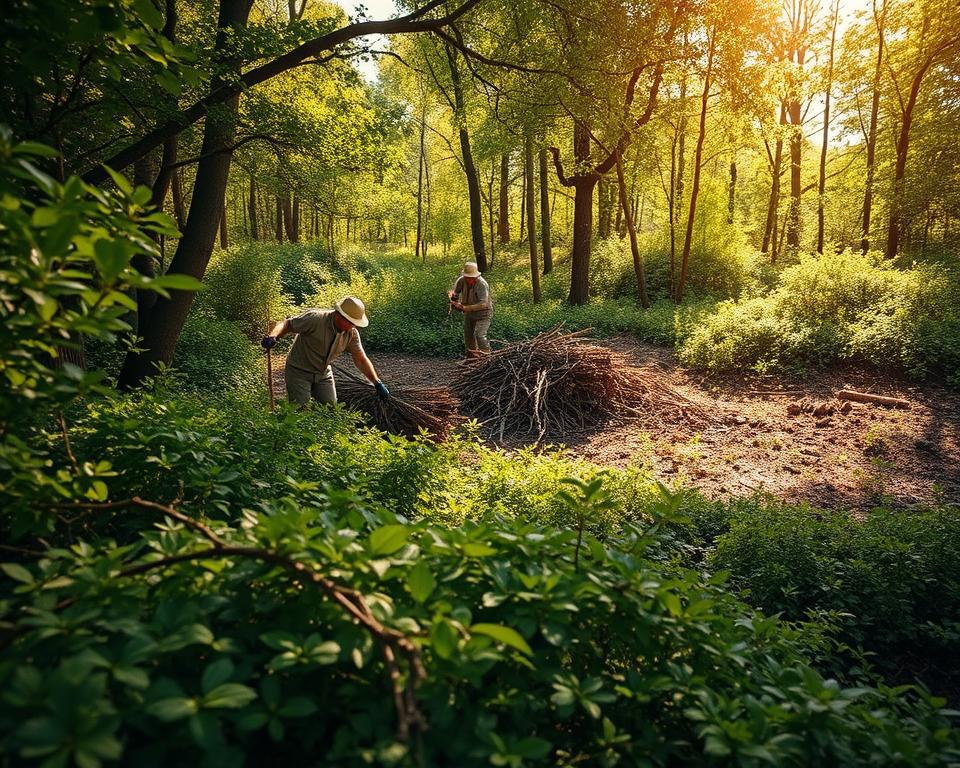
Maintaining open paths in forest areas is vital for multiple purposes. It greatly enhances ease of access, making it simpler to traverse thick foliage. This permits landowners and visitors to completely appreciate the landscape. This clearing also supports various activities like walking, bird watching, or just relishing nature.
Boosting Access
Open paths not only enable movement; they also deepen our connection with nature. Through enhancing approachability, landowners open up the open air to more people. Such benefits is beneficial for personal use or community events, encouraging discovery and valorization of the surroundings.
Promoting Safety and Navigation
The significance of security on woodland paths is immense. Marked routes offer clear navigation and reduce risks from rough ground, hidden obstacles, or abrupt plant growth shifts. Property owners invest in establishing secure routes, boosting assurance in wilderness adventures.
Planning Your Woodland Trail
Effective path planning demands a thorough knowledge of the landscape. It’s about assessing ground and location factors. Understanding the path’s purpose is also crucial, as it informs design and upkeep.
Assessing Ground and Location Attributes
When assessing terrain, multiple factors are critical. These include:
- Ground compositions that influence drainage and stability
- Incline angle impacting accessibility and security
- Current plant life that may require clearing or preservation
By evaluating these factors, trails can withstand different climatic factors. Such routes also accommodate frequent pedestrian use. Such planning guarantees the path is durable and honors the ground’s original characteristics.
Setting the Trail Objective
Trail planning success depends on a clear purpose. Think about the activities the trail will support, such as:
- Recreational walking and nature appreciation
- Entry for upkeep or ground management
- Chances to watch fauna and learning
Knowing the path’s goal directs many choices. This includes the trail’s width and building supplies. Identifying the path’s goal is crucial for crafting a route that fulfills its needs.
Tools Needed for Trail Clearing
Productive trail clearing requires the proper gear for various jobs. The appropriate equipment increase productivity and security, simplifying the procedure. The choice between manual tools and motorized equipment depends on the project’s scale, ground, and amount of debris.
Essential Hand Tools
Manual implements are essential for accuracy and versatility in clearing dense areas. Crucial tools include:
- Loppers: Ideal for cutting through heavy branches and shrubs.
- Handsaws: Ideal for detailed cuts on trees.
- Ho-dads: Handy for digging and creating water channels.
Such instruments offer a hands-on approach, crucial for delicate areas where heavy equipment could damage.
Motorized Tools for Speed
For large-scale trail clearing projects, motorized devices are a game-changer. Such equipment make the task faster and more efficient. Key equipment include:
- Chain saws: Perfect for felling large timber and cutting through dense underbrush.
- Brushcutters: Quick for removing thick grass and smaller saplings.
Motorized tools cuts down clearing time, making it ideal for large areas. Safe operation is imperative to prevent injuries.
Approaches for Path and Trail Preparation
Opening paths and tracks in wooded areas demands careful preparation. It’s vital to balance practicality with eco-friendliness. Efficient plant control maintains the environment’s balance while establishing useful pathways. This balance is crucial to a pleasant exterior encounter.
Removing Excess Growth
Targeted removal methods are essential when tackling overgrowth. Hand tools enable for accurate extraction of unwanted vegetation without damaging the habitat. Such approach promotes the growth of desired plants while restraining invasive species. Regular maintenance prevents resurgence, improving trail security and accessibility.
Creating a Sustainable Pathway
A sustainable path layout is more than just looks; it involves choosing resources that reduce erosion and enhance drainage. These strategies honor the environment and lessen ecological impact. Using local rock or reclaimed wood bolsters long-term durability and environmental balance. Careful planning strikes a balance between usability and environmental preservation.
Trail Surface Options: Finding the Right Fit
Selecting the appropriate trail surface is critical for both usability and longevity. The choice between natural and man-made surfaces affects maintenance, user experience, and trail longevity. Understanding the various options and their fitness for your ground is key to establishing an optimal route.
Organic versus Synthetic Trail Covers
Natural surfaces, such as gravel, broken rock, or wood chips, are often less costly. They blend well with the surroundings, facilitating drainage and a natural look. In comparison, synthetic covers like concrete pavers are more durable and suitable for heavy use. Every option has its benefits and drawbacks, depending the planned use and environmental conditions.
Choosing the Right Materials for Your Terrain
Selecting the right resources involves evaluating ground composition, water requirements, and budget. Below is a basic guide to popular options:
| Material | Advantages | Disadvantages | Cost per Square Foot |
|---|---|---|---|
| Gravel | Inexpensive, Good drainage | May need frequent replenishing | $1 – $3 |
| Crushed Stone | Steady footing, Natural look | Potentially slippery when wet | $2 – $5 |
| Wood Chips | Eco-friendly, Soft underfoot | Needs frequent topping up | $1 – $2 |
| Concrete Pavers | Durable, Low maintenance | Higher upfront cost | $5 – $15 |
Thoughtfully selecting ground coverings guarantees your paths are functional and compliment the site’s natural beauty.
Constructing Elevated Walkways
Establishing trails in forest areas requires careful planning of elevation changes. This is key for even crossings across different landforms and maintaining path accessibility over time. Constructing overpasses for paths is often required, mainly when crossing marshy spots or low-lying ground.
Identifying When to Add Height Variations
Elevation in trail layout is often due to irregular ground. Major level changes necessitate structures like bridges or raised walkways to maintain path integrity. This approach helps avoid soil erosion and ensures user safety, essential for both casual hikers and serious outdoor enthusiasts.
Choosing Bridge Materials for Marshy Terrain
The selection of materials for turnpikes and overpasses is critical for their security and durability. Timber beams, concrete blocks, or preservative-treated wood can offer the necessary strength against weight and weather conditions. It’s important to choose supplies that are water-resistant to avoid decay and allow subsequent modifications.
Trail Maintenance and Upkeep
Maintaining trails safe and accessible requires ongoing maintenance. Regular inspections help spotting problems early, ensuring users have a good time. It’s essential to upkeep trails throughout the year, as climatic shifts can damage them. This part will outline a detailed maintenance checklist and the advantages of employing expert trail maintenance services.
Year-Round Upkeep Tasks
A complete guide helps trail owners maintain their paths in prime condition year-round. Key activities include:
- Clearing debris such as downed limbs and leaves.
- Checking path layers for wear and tear, after storms.
- Assessing drainage systems to avoid water buildup.
- Repairing soil washout by adding material as needed.
- Updating markers and markers for clear navigation.
Professional Trail Maintenance Services
For those requiring expert assistance, specialized trail maintenance services are a great option. They offer:
- Comprehensive trail assessments by skilled experts.
- Specialized repairs and rehabilitation of busy paths.
- Employing dedicated machinery for better surface care.
- Applying eco-friendly practices to prolong trail life.
Engaging professional path care frees up your time for additional outdoor pursuits. It also brings in specialized skill.
Beautifying Trail Borders
Garden design is key to rendering paths visually appealing. By thoughtfully selecting plants and elements, you can craft an inviting environment. This not only draws visitors but also aids local ecosystems. The ideal plants for paths provide aesthetic appeal and maintain environmental stability.
Incorporating Flora for Aesthetic Appeal
When designing trail landscaping, selecting the appropriate plants is critical. Local species are perfect as they organically blend with the environment. They need less care and offer homes for local wildlife. Combine flowering plants, bushes, and turf for a diverse, appealing setting around trails.
Employing Borders and Rock Edges
Edging materials like stones and pavers are vital for path form. They define the route and add its design. These elements stop ground washout and offer a clean border with plants. Employing different textures and colors can render the path more interesting.
Eco-Friendly Path Preparation
Path clearing projects should prioritize eco-consciousness. Responsible ground care methods help preserve the area’s ecological integrity. This method ensures paths harmonize with nature peacefully.
Sustainable Practices for Land Management
Embracing eco-conscious approaches in path opening is critical. Minimal-impact techniques minimize land degradation and safeguard habitats. Targeted removal and eco-friendly materials minimize land disturbance.
Understanding the ground and plant life is crucial. It aids responsible clearing and enhances path usability.
Impact on Local Wildlife and Flora
Wildlife impact assessments are important in path construction. They help measure the task’s effect on local animals and flora. This permits for required changes before construction starts.
Spotting critical habitats prevents ecosystem disruption. This equilibrium ensures a vibrant ecosystem for every form of life.
Path constructors can create sustainable routes with careful preparation. This focus to environmental sustainability and wildlife well-being improves outdoor experiences. It balances leisure pursuits with eco-protection.
Pitfalls to Avoid in Path Opening
Participating in trail opening requires steering clear of common errors to avoid long-term issues. Identifying these errors enables for improved preparation and execution. By emphasizing straightforward path layout and addressing water flow, one can prevent extensive maintenance needs.
Overengineering Trail Layouts
Path management often succumbs to the trap of over-complicating path layout. Numerous enthusiasts believe elaborate layouts make trails more attractive. However, simplicity is often the key to effectiveness. Simple paths enhance wayfinding and upkeep, minimizing hurdles.
Unnecessary turns and elaborate elements can cause path mistakes. These errors hinder usage and wayfinding, making paths less enjoyable.
Neglecting Water Management
Ignoring water control challenges in paths can have severe outcomes. Adequate drainage planning prevents water accumulation, which can wash out trails and damage landscapes. Sufficient water control measures are crucial for a long-lasting trail.
Ensuring proper runoff from the path protects the route and preserves the environment. This enables for a more pleasant outdoor experience.
The Final Word
Path opening is essential for those who desire to completely enjoy their forest grounds. It improves ease of access and safety, making outdoor areas enjoyable for everyone. Woodland trails provide more than mere scenic appeal; they offer opportunities for leisure and learning about the ecosystem.
Effective planning and execution are crucial in path opening. Evaluating ground and choosing the right resources are vital for creating lasting paths. Ongoing maintenance ensures these trails safe and accessible, fostering a ongoing link with nature.
By understanding the ideas outlined here, you can design and maintain paths that fulfill both functional and leisure needs. Embracing woodland trails can transform your grounds into a sanctuary for adventure, relaxation, and appreciating the environment.