Are you aware that a ruptured pneumatic system can discharge power comparable to a dynamite stick? Numerous facilities still utilize pipe networks made from dangerous materials, oblivious to the dangers. This post clarifies why protection should come first.
Buy PVC Pipe Compressed Air
In spite of growing curiosity in specific plastics, OSHA rigidly prohibits their use in exposed applications. Over time, being exposed to lubricants and temperature changes degrades them, resulting in disastrous ruptures. Even with “safe” PSI levels, the risk of blasts stays significant.
If you need trustworthy substitutes, Installation Parts Supply stocks robust solutions like aluminium. Spending on appropriate materials prevents costly fines and keeps workplaces safe. Let’s discover how to build a more secure system.
Key Takeaways
- OSHA bans certain plastics because of explosion risks.
- Pressure capacities drop as temperatures fluctuate.
- Fragility intensifies over time, increasing breakage chances.
- Aluminum tubing offers a more secure substitute.
- Smart spending prevents costly fines and accidents.
The Dangers Of PVC Piping In Air Systems
Producers explicitly warn against utilizing some polymers for high-energy applications. In contrast to water, compressed air contains volatile power—a burst line can unleash force similar to dynamite. This renders material
selection vital for protection.
- Brittleness: Freezing temperatures make pipes fragile, increasing shatter potential.
- Glue breakdowns: Fittings deteriorate when subjected to compressor oils or temperature swings.
- Inaccurate specs: PSI tolerance drops by half at 110°F—many shops go beyond this.
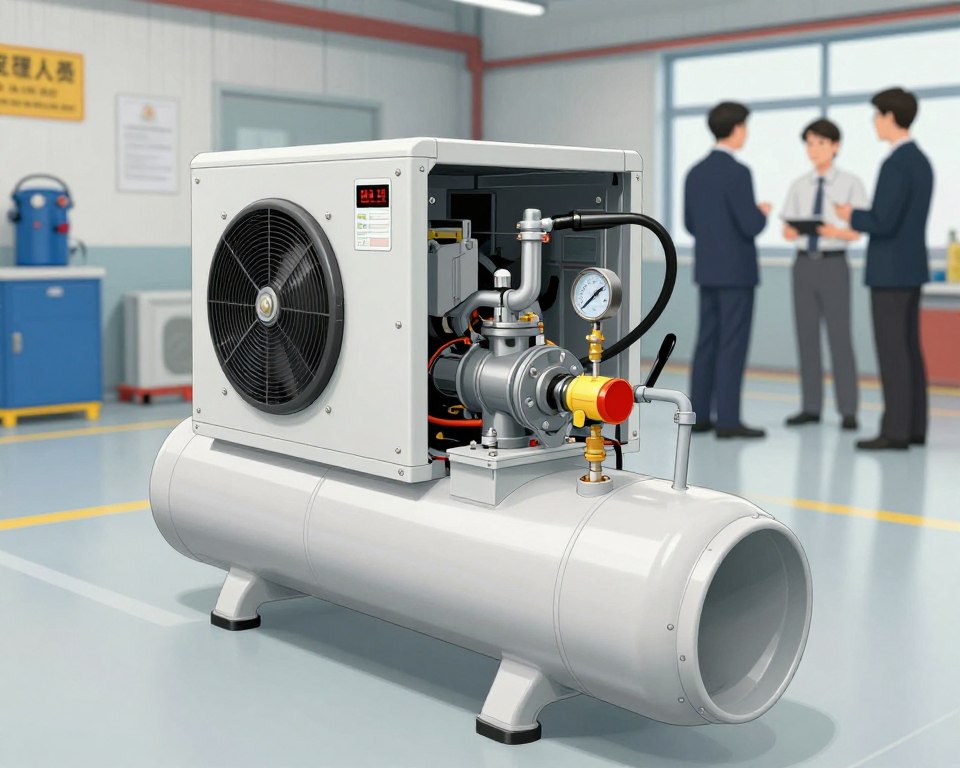
OSHA cites a $110,000 fine following a facility’s piping shattered, hurting employees. The “heat of compression” further reduces safety margins, a element frequently missed in ratings.
“Surface usage of certain plastics for compressed air breaches OSHA standards owing to explosion risks.”
Metal alternatives break more predictably, bending instead of fragmenting. In contrast, plastic shrapnel from explosive failures can travel over fifty ft, lodging in walls or machinery.
Factories face everyday temperature fluctuations that accelerate wear and tear. In a decade, UV exposure and chemical reactions moreover compromise integrity, transforming minor leaks into major hazards.
Safer Piping Choices For Compressors
Aluminum piping systems surpass conventional options in both safety and efficiency. Boasting 90% fewer leaks compared to black pipe, they’re a prime selection for modern buildings. Their lightweight design and corrosion resistance render them perfect for long-term use.
Modular aluminum systems save time—no threading needed. Installation Parts Supply offers ready-made parts that snap together. A Midwest auto plant reduced work expenses by 40% after adopting this system.
- Copper Piping: Best for sterile areas because of anti-bacterial traits. Requires skilled brazing.
- Steel Tubing: Withstands corrosion in damp locations like coastal workshops.
- Plastic Composites: Solvent-proof for labs and plants using solvents.
“Upgrading to aluminum reduced power loss by fifteen percent—paying for itself in 18 months.”
Torque matters. Too tight fittings break, whereas under-tightened ones drip. Adhere to manufacturer specs—typically 25–30 ft-lbs for aluminum connections.
In food processing settings, NSF-certified options guarantee air purity. Constantly align materials to your environment’s demands.
Selecting The Best Pipe Material For Your Requirements
Picking the right material for your system involves weighing price, protection, and performance. A Midwest factory saved $12,000 annually by switching to sealed alloy. This is how to make the correct decision.
| Type | Price Per Foot | Maintenance | ROI Time |
|---|---|---|---|
| Aluminium | 8.50 USD | Low | 1.5 Years |
| Iron Pipe | 5.00 USD | Heavy | None |
| Copper Tube | $10.20 | Moderate | 24 months |
Heat is a factor. Aluminum withstands extreme temps, while plastics shatter below freezing. In areas with chemicals, stainless steel repels corrosives.
Expert Tip: Calculate return on investment using CFM loss formulas. A ten percent leak in a 50 HP system burns $3,500 yearly.
- Match pressure specs to your compressor’s output.
- Check safety standards for weld inspections and pressure tests.
- Ask for a complimentary system audit from Installation Parts Supply.
“The system upgrade reduced wasted power by fifteen percent—breaking even in 1.5 years.”
Self-installs work for small shops, but professionals guarantee leak-free joints. Make sure to check guarantee details—some materials protect for 10+ years.
Summary
Choosing the proper components for your pneumatic setup goes beyond price—it’s about safety. Research indicates 92% of failures occur in older systems, frequently with hazardous outcomes. Aluminum provides near-perfect uptime, making it a intelligent lasting choice.
Main points:
- Avoid fragile plastics that break under pressure.
- Opt for corrosion-resistant metals like aluminum or steel.
- Non-compliant systems invite citations and insurance issues.
Prepared to improve? Our team provides same-day quotes and special deals on introductory packages. Get our complimentary checklist or contact us for urgent parts.
Dedicate yourself to safer piping today—your workers’ well-being relies on it.