Categories
Plumbing

The Ultimate Guide to Commercial Grade Angle Stops Plumbing Fixtures

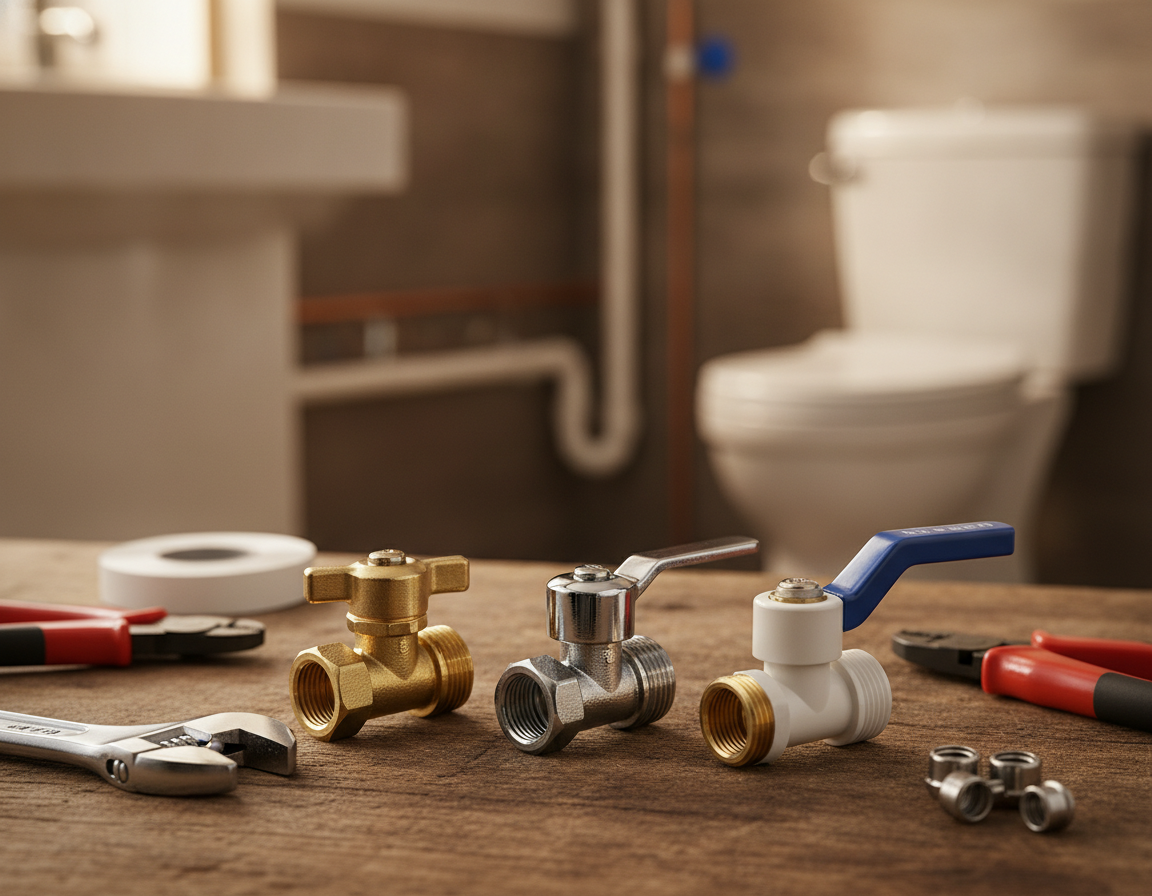
An angle stop is a compact, L-shaped shutoff valve where a water line meets a fixture. These valves are commonly installed beneath sinks, behind toilets, and near appliance hookups. A functioning Plumbing Angle Stop lets you isolate one fixture without shutting off the main supply. This makes repairs and replacements faster and less disruptive.


Most home angle stops are 3–6 inches tall and turn water 90 degrees toward the fixture. Modern installations favor quarter-turn ball-style Angle Stop Valve designs. They are easier to operate and commonly provide longer service life. When an angle stop becomes stiff, replacement can prevent water-damage risk and make future service easier.
What Is An Angle Stop

Key Takeaways

  • Plumbing Angle Stops let you shut off water to one fixture without touching the house main.
  • Angle Stops Plumbing are usually found beneath sinks, behind toilets, and near fixtures where quick access matters.
  • An Angle Stop Valve typically measures 3–6 inches and turns water 90 degrees toward the fixture.
  • Quarter-turn models are commonly preferred because they offer dependable performance.
  • Replace valves that leak, corrode, or become difficult to operate to avoid water damage.

What An Angle Stop Is And Why It Matters

An angle stop is a compact shutoff valve placed where the supply line connects to a fixture. It controls water to a single fixture so repairs, upgrades, or replacements can happen without closing the whole-house main. Homeowners, plumbers, and inspectors depend on these valves to keep maintenance localized.

Definition And Simple Explanation

An angle stop is a 90-degree valve placed at the fixture supply. It comes in different designs, including Angle Stop Valves with multi-turn stems or quarter-turn ball internals. A Plumbing Angle Stop is designed to fit neatly in tight spots such as under-sink cabinets and behind toilets.

Where Angle Stops Are Installed In A Typical Home

Plumbing Angle Stops are commonly found under kitchen and bathroom sinks. They are usually positioned near the rear of the cabinet where the water line comes through. Toilet angle stops are normally mounted on the wall behind or beside the toilet tank. Angle stops may also appear at appliance connections, including dishwashers, ice makers, washing machines, and some water-heater cold-supply lines.

Practical Benefits For Homeowners

A major advantage of an Angle Valve For Sink is fixture isolation. With a working Plumbing Angle Stop, you can shut off a single sink, toilet, or appliance line while fixing a leak or replacing a fixture. This keeps small leaks from turning into major water damage and limits disruption during repairs.

Another advantage is convenience. Angle Stops Plumbing are quick to use, helping reduce repair time and inconvenience. Periodic exercising of the valve keeps it operable. Replacing old multi-turn stops with quarter-turn Angle Stop Valve models can make emergency shutoff simpler.

How An Angle Stop Differs From An Angle Seat Valve

Household angle stops serve low-pressure potable water lines. They are designed for sinks, toilets, and common appliances. The industrial Angle Seat Valve is different. It is built for higher-pressure, higher-temperature, or corrosive applications in steam, chemical, and HVAC systems. Angle seat valves use metal seats and pistons for durability in demanding environments, while an Angle Stop is a simple residential fixture shutoff.

Types Of Angle Stops And How To Choose One

Choosing the right angle stop for a home project means considering material, operation, connection type, and special features. This guide compares common options to help homeowners and plumbers choose a durable, code-compliant fixture shutoff.

Materials

Brass is widely used as the standard material for Angle Stops. Because it resists corrosion and may last 10–20 years, brass is a strong choice for Quarter-Turn Angle Stops. Stainless steel bodies are useful in humid basements, coastal locations, and exposed areas where rust resistance matters. Plastic-bodied stops are cheaper, but they are typically less durable and can degrade in hot-water service. Always choose a Lead-Free Angle Stop for potable water in the United States to meet federal and state standards.

How Angle Stops Operate

Quarter-turn valves typically use a ball or disc mechanism and operate with one 90-degree turn. They provide quick shutoff, low torque, and resistance to mineral buildup, making them a top choice for frequent use and emergencies. Multi-turn valves use a rising stem and require several rotations for full shutoff. They can offer finer flow control, but older units are more likely to leak.

Angle Stop Connection Types

Compression Angle Stop fittings use a nut and ferrule, making them common for copper and CPVC stub-outs. They install without heat and are popular in remodels. Sweat Angle Stop connections are soldered to create a slim, permanent joint where torch work is safe and allowed. FIP-threaded valves attach to male adapters and usually require PTFE tape or pipe-thread sealant. Push-Fit Angle Stop products, including SharkBite-compatible models, slip onto copper, CPVC, or PEX for tool-free installs. Push-fit designs are handy for DIY jobs and cramped spaces, while Compression Angle Stop fittings are common where future removal or rework may be needed.

Special Features

Some Angle Stop Valve models include a Water Hammer Arrestor Angle Stop. They use an air chamber or piston to absorb pressure shock from quick-closing fixtures and reduce pipe banging. In humid or coastal locations, a Coastal Angle Stop with corrosion-resistant finishes, stainless internals, and anti-seize stems can improve service life. A Lead-Free Angle Stop marking on the body helps confirm the valve is intended for potable-water use. Choose a valve that matches the pipe material, connection type, and service conditions to reduce premature failure.

Plumbing Angle Stops Guide

Plumbing angle stops control water flow to fixtures with a right-angle design. The choice of size and style affects both function and code compliance. The sections below explain valve markings, typical home locations, lead-free requirements, and modern installation trends.

Common Valve Sizes And How To Read Markings

In homes, inlet fittings are usually 1/2 inch nominal, while fixture outlets are often 3/8 inch compression. Valve labels may show a format like 1/2 x 3/8 or 1/2” MIP x 3/8” OD. This identifies the inlet and outlet sizes. Some labels specify 3/8 COMP for compression outlets. Make sure the inlet matches your supply pipe, whether it is 1/2 FIP, 1/2 MIP, or 1/2 sweat.

Typical Placement In The Home

Angle stops are commonly found under kitchen and bathroom sinks and behind toilets. They are also used for appliances such as water heaters, dishwashers, ice makers, and washing machines. Under-sink valves are commonly located at the rear of cabinets, while toilet stops are generally visible near the wall behind the tank.

Potable Water Code And Safety Notes

In the U.S., valves for drinking-water lines must meet lead-free standards for wetted surfaces. Choose a Lead-Free Angle Stop that has clear markings, documentation, or certification details. Contractors should follow local plumbing codes and provide the appropriate certifications, testing information, and warranty support.

Industry Trends And Recommended Standard

Modern Angle Stops commonly feature quarter-turn ball-style operation. The Quarter-Turn Angle Stop gives quick emergency shutoff and long life with brass construction. Many plumbers standardize on brass 1/2 x 3/8 angle stops for sinks and toilets because they simplify stocking, replacement, and maintenance. New installations increasingly include models with arrestors, lead-free markings, and other potable-water protection features.

Quick Checklist For Choosing Angle Stops

  • Confirm Valve Markings for inlet type and outlet size before purchase.
  • Match the Angle Valve For Sink or toilet to supply hose fittings and tank threads.
  • Use a Lead-Free Angle Stop whenever the valve is installed on a potable-water line.
  • Standardize on Quarter-Turn Angle Stop 1/2 x 3/8 units for easier repair and reliability.

How To Install And Replace Angle Stops Safely

Before working on a plumbing angle stop, decide whether the main water supply needs to be shut off. Only shut the main if the existing stop will not close fully, is damaged, or is frozen. For most replacements, you can isolate the line using the valve under the sink. Always open a downstream faucet to relieve pressure and keep towels and a bucket ready.

Before starting, gather all needed tools and supplies. You will need an adjustable wrench, backup wrench, tube cutter, and deburring tool. Emery cloth for copper, PTFE tape for threaded joints, a marker, and a flashlight are also useful. For push-fit work, use the manufacturer’s push-fit angle stop and a PEX stiffener where needed; for compression jobs, keep spare ferrules and nuts available. Penetrating oil and a heat shield help with stubborn fittings and sweat connections.

Checklist:

  • Adjustable wrench plus backup wrench
  • Tube cutter and deburring tool
  • PTFE tape and marker
  • Push-fit angle stop and PEX stiffener
  • Extra ferrules, nuts, oil, towels, and cleanup supplies

Follow specific steps for each connection type. For compression, slide the nut and ferrule onto the pipe, then seat the valve against the pipe shoulder. Start the nut by hand, then tighten another 1/4–1/2 turn with a wrench. When tightening the outlet nut, use a backup wrench to prevent twisting the stub-out.

For push-fit installation, cut the pipe square and deburr it. Mark the insertion depth, then push the valve straight onto the pipe until it reaches the mark. After installation, give the fitting a light tug to confirm it has locked in place. Push-fit angle stop fittings can work with copper, CPVC, and PEX, but PEX may require a stiffener depending on the product.

Sweat angle stop connections need careful preparation and heat control. Remove or protect seals, clean and flux the pipe and valve cup, heat evenly, and apply solder properly. Once the joint cools, wipe away flux residue and inspect the solder bead. A heat shield or removal of heat-sensitive parts helps prevent damage during soldering.

For a FIP angle stop or other threaded connection, apply three to four wraps of PTFE tape to the male threads and start the valve by hand to prevent cross-threading. Tighten the valve until it is sealed and aligned, connect the supply line, and test with water slowly.

Test the work by turning water on slowly and watching the joints. Open the angle stop and fixture in stages rather than all at once. Wipe joints to spot tiny weepers. Operate the valve, let pressure stabilize, and inspect again for slow leaks.

Several common mistakes can cause leaks or early valve failure. Over-tightening compression nuts can deform ferrules and cause leaks. Do not reuse damaged ferrules; when necessary, cut back the pipe and install a new ferrule. Avoid sweating valves without protecting seals or removing internal parts. Avoid twisting push-fit valves during insertion and always follow the manufacturer’s insertion-depth marks.

Common trouble points include a frozen or leaky stop that forces a main shutoff, misapplied PTFE tape that causes threaded leaks, and tightening outlet nuts without a backup wrench. Keeping spare parts available and following proper tightening guidance helps reduce repeat repairs.

Common Problems And Quick Repairs For Angle Stops

Homeowners often encounter small leaks and frozen handles with angle stops. A quick inspection can show whether the valve needs a minor repair or complete replacement for dependable service.

Leaks Around The Handle

In older multi-turn valves, seepage at the stem usually starts with a loose packing nut. Tightening the nut about 1/8 turn with an adjustable wrench can often solve the issue. If the leak continues, the internal washer or O-ring may be worn and replacement may be required.

Stuck Valves

Stuck angle stops often result from Mineral Buildup or rust. Applying a penetrating product such as WD-40 for about ten minutes may help. Gently rocking the handle back and forth may free the valve. If the valve stays frozen or the handle feels brittle, replacement is safer than forcing it and risking a flood.

Compression Joint Weeps

A continuing compression-joint leak often points to a crooked ferrule, damaged pipe end, or poor seating. To fix it, loosen the nut, reseat the ferrule, and clean the pipe with emery cloth. If the ferrule is worn, cut back the pipe, install a new ferrule, and tighten carefully to prevent more leaks.

When To Upgrade

Homes with frequent leaks, frozen handles, visible corrosion, or valves over ten years old should consider modern angle stops. A Quarter-Turn Upgrade to a ball-style valve can improve shutoff speed, resist Mineral Buildup, and make emergency service more dependable.

Simple Troubleshooting Checklist

  • For stem drips, tighten the packing nut slightly and recheck.
  • Use Penetrating Oil and gentle motion for stuck valves.
  • Reseat the ferrule or cut back the pipe for compression leaks.
  • Upgrade to quarter-turn stops when valves freeze or leak repeatedly.

Turning angle stops occasionally and inspecting for corrosion can reveal problems before they become emergencies. Promptly addressing leaks, stuck valves, or weeping joints prevents larger repairs and maintains Angle Stop Reliability.

Conclusion

The Plumbing Angle Stops Guide highlights the importance of these small but critical components. They allow homeowners to isolate specific fixtures without affecting the entire system. Selecting the proper material, valve operation, and connection style makes future repair work simpler. It also reduces the risk of water damage during upgrades.

For best performance, the industry often recommends lead-free, quarter-turn brass 1/2 x 3/8 stops. Integrated arrestors are also useful where water hammer is a concern. Homeowners should periodically test valves and replace Plumbing Angle Stops that leak, stick, or corrode. Depending on valve type and job difficulty, parts may range from $6 to $60, while professional installation may cost $75 to $200.

When installation feels uncertain, hiring a licensed plumber is the safer option. A plumber can ensure code compliance and provide warranty-backed work. This protects fixtures and simplifies maintenance. It also follows best practices in Angle Stops Plumbing for modern residential installations.
Categories
Plumbing

Water Faucet With Lock: Top Picks for Home Security

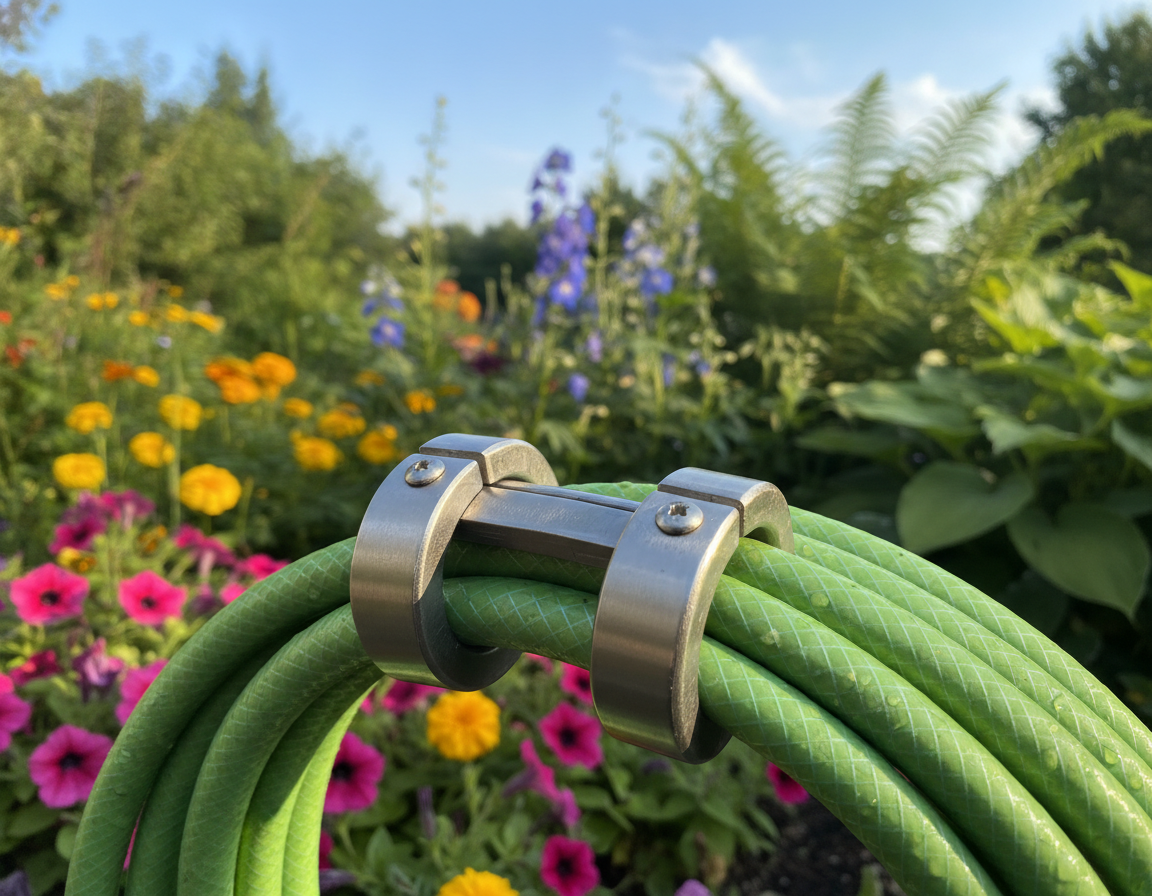
Outdoor faucets are both convenient and vulnerable. This introduction outlines how Water Hose Locks and related hardware secure spigots, prevent unauthorized use, and limit water waste. It sets out practical solutions for homeowners, businesses, and institutions across the United States. These measures are essential in drought-prone areas where Lock Water Hose solutions are increasingly necessary.

This article compares several solutions, including Hose Lock styles, Water Faucet With Lock designs, and vandal-resistant boxes such as the AA-HB-100 stainless steel model. It also examines lever-handle locks, quarter-turn faucet locks, and keyed or combination Lock For Water Spigot options. Readers will see how to choose the right lock for their faucet, installation basics, and maintenance tips.

Installation Parts Supply (https://installationpartssupply.com) is noted as a trusted online source for faucet locks, lock boxes, and compatible replacement parts. It caters to both homeowners and plumbing professionals. Using these locks can reduce theft, cut utility costs, limit water waste, deter vandalism, and improve property security.

Outdoor Faucet Security For Homes And Businesses

Outdoor faucets, though simple, can create significant issues if not secured. An unlocked spigot can lose water, drive up utility bills, and allow unauthorized access to private water lines. Installing a Locking Hose Bib or Hose Bibb Lock helps control these risks and protect property value.

In water-scarce states such as California, unauthorized water use has become an increasing concern. Reports of unauthorized taps into hydrants, municipal stations, and residential spigots have increased. A Lockable Hose Bibb or a Lock For Water Spout serves as a clear warning, discouraging casual misuse and preventing hefty meter charges.

Unsecured spigots can lead to problems beyond expensive water bills. They can cause flooding, landscape erosion, foundation seepage, and basement damage. By installing a Lock For Water Faucet or a Hose Bibb Lock, the risk of costly repairs and insurance claims or legal liabilities is greatly lowered.

Communities facing water restrictions depend on compliance to manage limited water supplies. Securing private taps with Locking Hose Bibs and enclosure box locks supports conservation efforts. Municipalities can manage water rules more effectively, while neighbors benefit when outdoor outlets stay secured during drought periods.

When choosing a Locking Hose Bib or similar device, it is important to consider site needs, faucet type, and local rules. Buying a quality Lock For Water Spout or Lock For Water Faucet is a small step that helps protect assets, conserve water, and support community goals.

How Different Water Hose Locks Work

The right device for a lockable water spigot is shaped by faucet style, access needs, and the required security level. Below are common options, how each works, and where they fit best.

Locking Hose Bib

Hose Bibb Locks And Cap Locks

Hose bibb locks use a metal sleeve or cap that slips over the spigot opening and fastens in place. The cover protects the hose threads, stopping hose attachment and preventing the water from being turned on.

These caps are often outdoor-rated and affordable. They commonly fit standard garden-hose threads and work well on round-handle spigots at homes, rental properties, and small businesses. For simple theft prevention, a hose with lock or spicket lock cap is a practical choice.

Vandal-Proof Enclosure Box Locks

Enclosure boxes enclose the faucet and bibb inside a lockable metal or plastic case. The box prevents access to both the handle and hose connection, providing strong protection in public, commercial, or industrial locations.

Heavy-duty stainless lock boxes are often designed for cut resistance, weather exposure, and long service life. These boxes may include padlocks or integrated lock cylinders and are preferred where a visible deterrent and stronger theft resistance are needed for locks for hose bibs.

Quarter-Turn And Lever Handle Faucet Locks

Lever and quarter-turn locks fit over modern handle shapes and stop the handle from rotating. They secure around the lever so the valve cannot open until the lock is removed.

These locks suit newer fittings with flat or lever-style handles. They do not fit classic round spigots. A Flow Lock that secures the handle can be an practical option for properties with modern faucets.

Combination, Keyed, And Padlock-Based Solutions

Locking mechanisms may use keyed cylinders, combination dials, or standard padlocks combined with protective shrouds. Keyed locks can provide strong protection, but they require key management. Combination locks support shared access without key management.

Many enclosures and sleeves are padlock-ready and include hardened shrouds to resist cutting. Choosing between a keyed spicket lock and a combination-style hose with lock comes down to how often access is needed and who needs it.

Device Type Best use Typical materials Protection level
Hose bibb cap lock Residential round-handle spigots Brass, zinc, stainless steel Light to moderate
Lockable faucet enclosure Commercial, public, and institutional taps 12-gauge stainless steel or reinforced plastic High
Handle clamp lock Modern lever-handle faucets Steel, aluminum, or reinforced polymer Moderate to strong
Padlock-ready or keyed systems Sites requiring controlled access Steel shackles and brass cylinders Medium to high

Choosing The Right Lockable Solution For Your Faucet

Selecting the right lock depends on faucet style, location, climate, and budget. A properly matched lock helps secure outdoor water access while keeping normal authorized use practical. It also cuts down on trial and error, saving time and effort.

Match your lock to the faucet style

For round-handle hose bibbs, cap-style Lock For Hose models that slide over the valve are usually best. Quarter-turn and lever-handle spigots need clamp-style Locking Hose Bib fittings, designed for those handle shapes. Freeze-proof spigots require lock designs that can fit inside insulated covers or attach behind the spout.

Assessing location and security level

In low-risk yards, an inexpensive cap or keyed Lock For Water Spout between $10 and $25 is often sufficient. For high-traffic or commercial sites, heavy-duty options like stainless steel Garden Hose Lock Box enclosures are necessary. When deciding how strong the lock should be, consider visibility, access requirements, and vandalism risk.

Freeze protection and climate considerations

In cold regions, choose locks that work with insulated covers or select freeze-proof Lock For Hose products. These are designed to stay installed through winter. If outdoor lines need seasonal draining, remove the locking device before winter to reduce corrosion, ice damage, and cracking.

Budget and upkeep considerations

Basic cap locks are the most budget-friendly. Enclosure boxes cost more upfront, but stainless steel versions often provide longer service life. Consider long-term savings from reduced water loss. Choose corrosion-resistant finishes and plan routine lubrication so the lock continues to operate smoothly.

Outdoor Tap Type Suggested Lock Typical Cost Ideal Use
Standard round-handle hose bib Cap-style Lock For Hose or keyed cap $10–$25 Residential yards, low-risk areas
Lever or quarter-turn spigot Lever-specific clamp Locking Hose Bib or padlock-ready shroud Usually $20 to $60 Homes with modern faucets, moderate security needs
Public/commercial faucet Stainless Garden Hose Lock Box or heavy-duty enclosure $75–$250 Parks, businesses, high-risk locations
Frost-proof spigot Freeze-compatible lock or removable Lock For Water Spout About $25–$100 Cold regions needing winter-ready protection

Step-By-Step Installation And Locking Process

To install a lock for your water faucet, follow these steps carefully. Ensure the device fits snugly and functions as expected. Start with a dry faucet, then verify the thread condition and handle type. Remove any hoses, clear debris, and clean the mounting surface before proceeding.

How To Prepare The Faucet For Installation

First, shut off the water supply and open the faucet to drain any remaining water. Dry the spicket to prevent slipping when installing the spicket lock. Inspect the threads for wear and confirm the handle style so you can choose the correct Lock For Water Faucet or Locking Hose Bib.

Fitting Inner Sleeves And Securing Lock Bodies

Many Lock For Water Spout products include an inner sleeve that lines up with faucet threads, grooves, or spout shape. Slide the sleeve over the spigot and ensure it is flush. Then hand-tighten the lock body over the sleeve. Do not over-tighten, because excess force can damage threads and cause early wear.

Using Padlocks Or Integrated Locking Mechanisms

For padlock-ready enclosures, slide the outer cover into place and align the shroud correctly. Insert a hardened padlock through the opening and secure it. For keyed or integrated units, follow the manufacturer’s instructions to engage the mechanism. Test the installation by trying to open the faucet with moderate force, without damaging the fixture.

Common Installation Pitfalls And Troubleshooting

Misaligned inner fittings can cause wobble or loosening. If this happens, remove and re-seat the sleeve, then hand-tighten again. Ensure compatibility with the Locking Hose Bib for your faucet type to enhance effectiveness.

Rust, mineral buildup, or debris can interfere with fit and prevent smooth locking action. Clean the threads and apply a light lubricant rated for outdoor use. In freezing areas, drain water from lock cavities and consider insulated or removable designs to prevent damage.

Process Step What To Do Tip
Step 1 Turn off supply and dry spigot Open faucet to clear residual water and wipe with a clean cloth
2 Inspect threads and handle Match Lock For Water Faucet type to handle style before buying
3 Fit inner sleeve Make the sleeve flush and do not force it
4 Attach lock body Hand-tighten only enough to secure the lock
Step 5 Engage padlock or integrated lock Use a hardened padlock for exposed spicket lock enclosures
Final Test security and correct problems Confirm the lock is secure and address any fit issues

Hose Lock Maintenance, Care, And Seasonal Upkeep

Regular care is necessary to ensure locks remain reliable and last longer. Inspect a Hose Lock or Flow Lock at least twice per year. Look for signs of rust, grit, or damaged threads that could jam the mechanisms. Use a dry cloth to wipe the exteriors and remove debris from moving parts.

Apply graphite-based lubricant to lock cylinders, hinges, and pivot points. Use light lubricants recommended by the manufacturer for stainless components. Avoid heavy oils because they can attract dirt and grit. Inspect screws, fittings, and padlock shackles for wear. Tighten loose fasteners and replace worn hardware promptly.

Begin spring checks by testing every lock after thawing. Make sure keys, cylinders, and combinations work smoothly. During heavy-use months, check that repeated access does not loosen fittings. Inspect seals and gaskets on a Lockable Hose Bibb or Garden Hose Lock Box to help prevent leaks and corrosion.

In summer, monitor sun-exposed plastic enclosures for signs of UV damage. UV can weaken materials, so replace any faded or brittle parts. For commercial properties, document inspections for compliance, maintenance records, and liability management. A Flow Lock that binds under frequent use may need service or replacement.

Prepare for colder months by pairing locks with insulated covers or choosing freeze-proof designs. Drain hoses and exposed lines before freezing temperatures arrive. If ice formation could harm mechanisms, remove the lock or protect it to prevent cracking or shroud damage.

Follow the manufacturer’s care instructions for stainless hardware and warranty requirements. For example, adhere to specification sheets like AA-HB-100 when available. Proper maintenance helps Locks For Hose Bibs and Lockable Hose Bibb systems meet expected service life and warranty conditions.

Comparing Popular Products And Materials For Long-Term Durability

Choosing the right lock solution affects security, maintenance, and cost. This section compares common materials and styles so performance can be matched to site needs. It highlights heavy-duty options for higher-risk locations and lighter choices for home use.

Stainless steel cases withstand tampering and corrosion well. A 12-gauge Stainless Steel Lock Box is often ideal for outdoor use in public, institutional, and industrial areas. For commercial models, review vendor specifications, warranty details, and country-of-manufacture information.

Plastic Enclosure units are less expensive and resist some chemical corrosion. They are lighter and easier to install around a Hose Bibb Lock on private property. They do not provide the same forced-entry resistance as stainless steel, so they are better suited to lower-risk residential locations.

Plastic Enclosures Vs. Stainless Steel Lock Boxes

Choose stainless steel for high-risk areas exposed to vandalism, heavy use, or public access. Choose plastic when lower cost, lighter weight, or certain chemical-resistance needs matter more. Before deciding, consider expected lifespan, warranty coverage, weather exposure, and local climate.

Shroud And Padlock Compatibility

Many lock boxes offer a Padlock Ready Shroud for shrouded or shackle-less padlocks. This trim reduces exposed shackle length and boosts cut resistance. For better protection, use hardened steel padlocks or shroud-compatible locks.

Check product specs for clearance and shroud dimensions to ensure a proper fit. Keyed cylinders from reputable brands resist picking better than generic locks. Whenever possible, test fit the lock and padlock before final installation.

Where To Buy Quality Faucet Locks

Installation Parts Supply carries a variety of faucet security hardware for homeowners, plumbers, and property professionals. Retail home centers and online marketplaces often sell basic Hose Bibb Lock models for residential use. For heavy-duty stainless solutions, check manufacturer direct channels and industrial suppliers for detailed specs and samples.

Comparison Feature Stainless Lock Box Plastic Enclosure Padlock Shroud Faucet Lock Buying Sources
Security rating High protection against cutting and prying Weather-resistant but lower physical strength Enhances security when paired with hardened padlocks Specialty suppliers, manufacturers, and Installation Parts Supply
Weather resistance Excellent; long-term outdoor durability Good; chemical and moisture tolerant in many cases Varies by material and coating Home centers for basic units; specialty vendors for commercial-grade
Price Higher initial outlay; better long-term ROI Lower upfront cost; may need replacement sooner Adds cost while improving security Compare warranty, material, and supplier reputation
Ideal use Public, industrial, institutional sites Residential yards, light-duty locations Anywhere needing improved shackle protection Buy locally or online depending on needed grade

Cost, Warranty, And Value Considerations

When choosing a Lock For Water Faucet, consider both the upfront price and the long-term savings. The price of a Hose Lock varies based on its design, material, and purpose. Understanding Hose Lock Price and Warranty For Faucet Lock details helps balance cost, security, and durability.

Hose Lock prices start low for basic cap designs and rise for heavier-duty options. Caps and cap-style locks usually cost between $10 and $25. Lever-handle clamps fall into a similar or slightly higher price range. Commercial-grade stainless steel enclosures and vandal-resistant units cost more because they use thicker steel and stronger tamper-resistant features.

The real value of a Locking Hose Bib goes beyond its purchase price. It can prevent water theft, saving owners hundreds to thousands of dollars. A high-quality Flow Lock or stainless enclosure can also prevent costly vandalism repairs and lower utility bills.

Warranty coverage is important when comparing brands and product grades. Choose manufacturers that provide detailed specification sheets and care instructions. Some 12-gauge stainless models may include vandalism warranties lasting close to a decade. Requesting material samples and reading warranty guides before buying supports compatibility with your local environment.

Reputable suppliers like Installation Parts Supply and mainstream hardware retailers offer detailed product information and replacement parts. Confirming warranty terms and maintenance requirements helps routine care maintain coverage and extend product life.

Value extends beyond the initial price because it includes water conservation, risk reduction, and avoided misuse. A well-chosen Lock For Water Faucet supports water stewardship during droughts and shows that the property is secured. These non-monetary benefits—such as peace of mind, reduced anxiety about unauthorized use, and compliance with local regulations—add significant value.

The decision should balance Hose Lock Price, expected savings from avoided water loss, and the long-term benefits of a Locking Hose Bib. A thoughtful purchase matches budget, Warranty For Faucet Lock terms, and the level of protection needed from a Flow Lock or similar device.

Final Thoughts

Installing the right Water Hose Locks is a practical step that secures outdoor water access, reduces theft, and prevents costly water waste and property damage. Whether you choose a basic Lock For Hose cap, a lever-handle lock, or a heavy-duty Lockable Water Spigot enclosure, a proper fit protects fixtures and supports broader neighborhood water-conservation goals.

Before selecting a solution, assess your faucet style, local risk level, and climate. For everyday use, a well-fitted Garden Hose Lock Box or keyed bibb cap offers effective deterrence. For high-risk locations, consider a strong 12-gauge stainless enclosure such as the AA-HB-100 for maximum durability and protection.

Take the next practical step by sourcing locks and accessories from reputable suppliers. Review product specification sheets and warranties, and follow manufacturer guidelines for installation and seasonal upkeep. Understanding How To Lock Outdoor Water Faucet properly and maintaining the hardware will extend service life and preserve performance.

A modest investment in a lock system can pay back through lower utility bills, fewer repair surprises, and better compliance during drought restrictions. Secure fixtures with the right tools and routine care to keep outdoor water accessible only to authorized users and give property owners lasting peace of mind.

Categories
Plumbing

Top Safety Features of a Heavy Duty L6-20 Receptacle

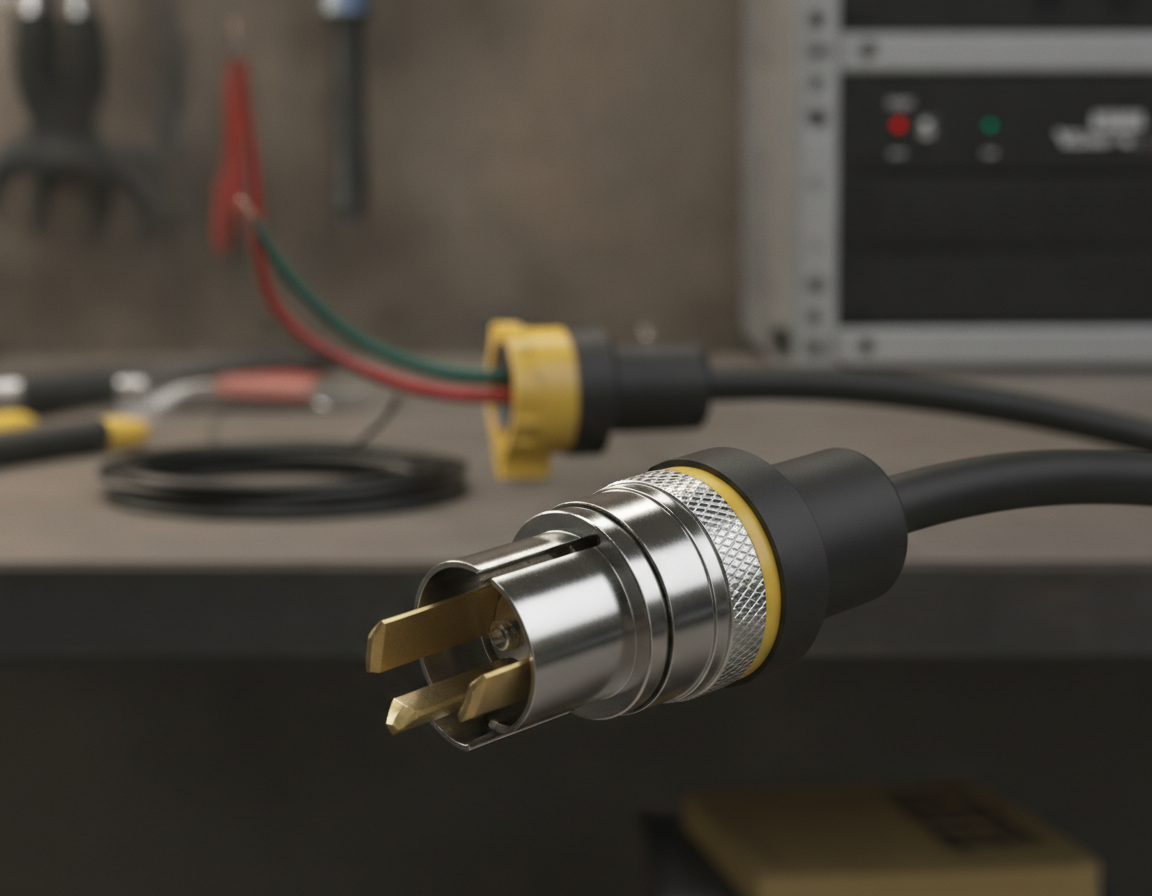
Twist lock plugs are highly important for stabilizing power connections where jobsite safety is a non-negotiable requirement. Because they lock into a matching receptacle with a short twist, they help avoid loose or unstable connections. That locking action makes them a common choice for generators, stage equipment, and industrial machinery where an accidental unplug can create downtime.


Reputable makers including Legrand provide twist-lock components with NEMA markings and UL-style safety listings such as UL 498. A Nema Chart Twist Lock reference helps users compare voltage, amperage, blade layout, and whether the device belongs to a locking or non-locking family. This separation is critical to avoid the risks associated with mismatched components.

This guide is designed to help you in understanding Nema Chart Twist Lock charts, focusing on widely used types like L5, L6, and L14 families. Subsequent sections will explain the L6-20 and an L6-20 Plug Wiring Diagram. This information will empower you to plan code-conscious installations with confidence.

  • Twist lock plugs feature a twist-and-lock action for firm connections.
  • NEMA twist lock charts identify voltage and amperage for correct selection.
  • Trust established manufacturers like Legrand, Eaton, and Kellems and look for UL listings.
  • Avoid unrated adapters; use matched locking plugs and receptacles.
  • Section topics include L6-20 specifics and an L6-20 Plug Wiring Diagram.

Nema Chart Twist Lock

What Are Twist Lock Plugs And Why They Matter For Safety

A twist-lock plug uses curved blades that rotate into a compatible grooved receptacle, creating a more secure connection than a straight-blade plug. Brands such as Hubbell and Leviton use Turnlok-style designs to create a positive mechanical lock. It creates a firm mechanical hold, resisting separation from vibration or movement.

After the plug is inserted, a short turn seats it into the locking position. The twist action places the blades into matching grooves so the electrical contact stays firm and consistent. By reducing partial withdrawal and loose fit, the design helps limit arcing, exposed conductors, and intermittent power problems.

These connectors are commonly used in construction sites, manufacturing floors, HVAC installations, and data centers. They are also found in temporary power systems, stage and studio rigs, hospital equipment, and refrigeration units. These environments often face movement, movement, or critical loads, demanding reliable power retention.

Professional electricians specify locking devices in high-risk environments. The Nema Chart Twist Lock and the L6-20 Plug Wiring Diagram support the correct matching of plugs and receptacles. They ensure compliance with voltage, amperage, and grounding arrangements.

The safety benefits of twist-lock connectors are easy to recognize. They help prevent accidental disconnection, reduce the risk of arcing and exposed conductors, and help avoid shock and fire hazards. Choosing NEMA-stamped, UL-listed components and following the L6-20 Plug Wiring Diagram also supports safer, code-conscious installations.

Design Feature Safety Value Common Use
Curved locking-blade design Forms a positive lock that resists vibration and pullout Generators, stages, HVAC
Ground-priority connection Supports safer connection by engaging ground first Critical equipment and data centers
NEMA and UL ratings Helps verify ratings before installation Commercial wiring and industrial equipment
Compatibility charts Simplifies correct plug-to-receptacle selection Maintenance crews and installers

NEMA Configurations Overview And How To Read A NEMA Chart

Technicians and electricians need to understand NEMA configurations so plugs, receptacles, voltages, and amperages are correctly matched. A Nema Chart Twist Lock or non-locking section identifies voltage class, amperage, and pin pattern. This information is necessary to avoid mismatches that could create safety risks or pose safety risks.

How NEMA Names And Codes Work

NEMA naming conventions are a combination of a pattern number, a dash, and an ampacity. For example, 5-15 points to a 125V configuration rated for 15 amps. The prefix L identifies locking types, like L5-20P, which is a locking plug. The letters P and R distinguish a plug from a receptacle. Most charts also include common voltage classes such as 125V, 250V, 277V, 125/250V, and 480V so users can avoid mismatching equipment.

Locking Versus Non-Locking Sections In NEMA Charts

Charts differentiate between locking and non-locking connectors. Non-locking types include 5-15 configurations, 6-20, and 14-30 and 14-50 styles. Locking connectors, marked with the L prefix, such as L5, L6, and L14, are made for secure connections in industrial and outdoor environments. Straight-blade non-locking devices are more common in homes and light commercial work where locking retention is not required.

Useful Tips For Reading NEMA Charts

  • Confirm P-to-R compatibility before plugging in any device.
  • Match voltage and ampacity precisely; a L6 20 Plug must pair with the correct receptacle rated for the same voltage and amps.
  • Check pin count and configuration: three-wire versus four-wire and whether two hot conductors or hot/neutral/ground are used.
  • Use blade design and orientation indicators on the chart to avoid cross-connection between incompatible voltage or amperage devices.

Nema Chart Twist Lock: Popular Locking Families And Applications

In areas where cords are moved, bumped, or exposed to vibration, twist lock connectors help keep power connected. A Nema Chart Twist Lock reference quickly shows connector families, voltage ratings, amperage ratings, and practical uses. By comparing the chart before installation, users can choose the correct device and avoid mismating that may cause downtime, overheating, or unsafe operation.

Below, we explore typical families, their ratings, and ideal uses. L5 devices are commonly used on 125V circuits and are available in ratings such as 15A and 20A. Because these plugs lock into place, L5-15 and L5-20 connectors are useful for stage lighting, portable power, and equipment exposed to cord stress.

L6 connectors are commonly associated with 250V single-phase power for equipment such as motors, compressors, and HVAC units. The L6-20 and L6-30 models are robust choices for industrial machinery and refrigerated equipment, requiring higher voltages. The twist-lock action helps prevent accidental disconnection while the equipment is operating.

L14 connectors are four-wire 125/250V devices commonly associated with generators, transfer switches, and temporary power. With two hots, a neutral, and a ground, L14-20 and L14-30 connectors are practical for generator outputs, transfer panels, and jobsite power.

Some higher-amperage locking receptacles, including L530R and L630R styles, use distinct configurations so incompatible voltages are not easily mixed. These connectors are essential for applications requiring 30A feeds, ensuring safety and efficiency.

Practical applications extend from stage production to construction and facility maintenance. For portable lighting, select L5-15 or L5-20. For 250V motors or HVAC equipment, L6-20 and L6-30 are commonly reviewed. For generator and transfer-switch arrangements, L14-20 or L14-30 may be the correct family. When a 30A four-wire feed is necessary, L530R or L630R is the best choice to avoid mismating.

Connector Rated Voltage Current Rating Frequent Uses
L5-15 locking device 125V class 15A Lighting rigs, small equipment, portable loads
L5-20 locking device 125-volt 20A Temporary 125V power and jobsite cords
L6-20 connector 250-volt 20 amps Motors, HVAC equipment, machine tools
L6-30 connector 250-volt 30A Larger HVAC loads, shop tools, industrial equipment
L14-20 locking device 125/250-volt 20 amps Generator outputs and construction-site power
L14-30 locking device 125/250V class 30A Larger generators, transfer equipment, RV shore power
L530R 125V 30A 30A four-wire circuits where 125V configuration is required
L630R receptacle 250-volt 30-amp rating Four-wire 30A applications requiring 250V configuration

Understanding L6-20 Plug Wiring And Connector Basics

An L6-20 connector is a locking 250V, 20A device commonly used for industrial equipment, HVAC units, and similar loads. Its three-wire layout uses two hot conductors and one equipment ground. The blade configuration is intentionally different from 125V devices, helping prevent wrong connections when the Nema Chart Twist Lock is followed.

L6-20 plug and receptacle characteristics

The L6 20 Plug uses a compact, twist-lock design with two hot blades and a single pin for ground. Typical materials include conductive brass contacts and molded thermoset housings from Leviton or Hubbell. Always compare the P and R designations on a Nema Chart Twist Lock so the plug and receptacle are correctly paired.

L6-20 wiring best practices

For a 20A circuit, 12 AWG copper is commonly used, but conductor sizing should still follow NEC requirements for conditions such as temperature rating and run length. Securely tighten terminals to the manufacturer’s recommended torque and use cord grips or strain reliefs to prevent conductor pull-out.

Before energizing the circuit, verify grounding continuity and correct conductor placement. Use a calibrated multimeter and a continuity tester to check hot-to-hot and ground connections. Label the circuit and include voltage and amperage data near the receptacle for clear identification.

Helpful L6-20 wiring diagram notes

An L6-20 Plug Wiring Diagram should show two hot conductors and a separate equipment grounding conductor. Omit a neutral conductor for the standard L6-20 arrangement. The diagram should also include terminal labels, conductor colors where applicable, and torque values for installers.

Detail Rated Specification Common Recommendation
Voltage 250-volt Verify against the equipment nameplate and Nema Chart Twist Lock
Current Rating 20 amps Select 12 AWG copper where appropriate or follow NEC sizing
Conductor arrangement Hot-hot-ground configuration No neutral in typical L6-20 wiring
Common uses Industrial motors, HVAC, compressors Verify device compatibility with the L6 20 Plug
Materials Brass contacts, thermoset housing Use listed parts from recognized manufacturers
Final checks Grounding, conductor placement, terminal torque Test before energizing and document results

L6 20 Plug, L6-20 Receptacle, And L6-20R Wiring Details

To avoid failures in the field, it is important to understand the parts, wiring steps, and inspection points used with L6-20 devices. This section delves into the anatomy of each part, outlines the installation process for an L6-20R receptacle, and highlights essential inspection and testing points. It’s vital to use NEMA-marked, UL-listed parts from reputable manufacturers like Legrand, Eaton, and Kellems for optimal performance.

Component Anatomy And Materials

Device housings may be made from thermoplastic or metal to suit indoor, industrial, or harsh environments. Curved blades and strong contacts help maintain firm engagement while reducing wear. Cord grips and strain-relief features prevent conductor pullout.

Many contacts use nickel, silver, or similar plating to reduce resistance and improve durability. Various styles, including weatherproof, flush-mount, and surface-mount, cater to different installation needs. Brands like Legrand and Eaton publish detailed specifications and UL listings for each model.

L6-20R Receptacle Installation And Wiring

Always turn off the power at the breaker before starting any work. The box should be mounted securely with hardware suited to the wall, equipment, or enclosure surface. The enclosure should fit the installation environment.

Conductors should be stripped only to the length specified in the device instructions. Terminal screws should be tightened to the listed torque value in the manufacturer’s documentation. Use the correct cord grips and secure the cable to prevent strain relief issues.

Label the circuit and verify that the breaker size matches the ampacity of the L6 20 Plug and the branch circuit. For permanent or high-amperage circuits, consult the NEC and consider hiring a licensed electrician.

Post-Installation Inspection And Testing

Before energizing, check conductor continuity and verify the hot conductors and grounding path with a multimeter. Perform insulation resistance testing when available to confirm no shorts or moisture paths exist.

Verify grounding by measuring resistance to a known good ground. Confirm blade engagement by inserting a matching L6 20 Plug and observing a snug, locking fit.

Follow UL and manufacturer torque specs during rechecks. If a device fails testing, shows heat damage, or has damaged terminals, replace it rather than attempting unsafe field repair.

Installation Item Suggested Practice Purpose
L6-20 Plug Wiring Diagram Match the diagram precisely and label conductors clearly Reduces miswiring risk and supports correct 250V operation
L6-20 Receptacle mounting Use rated enclosures, screws, and weather seals as required Protects the device from weather and reduces strain on terminations
L6-20R testing steps Check continuity, insulation condition, and ground path Supports safer operation and code-conscious installation
Terminal connections Tighten to manufacturer torque, use correct ferrules if stranded wire Reduces heat buildup and prevents loosening over time
Device selection Choose UL-listed parts from Legrand, Eaton, or Kellems Reduces the risk of counterfeit or under-rated components

Twist Lock Mistakes, Unsafe Adapters, And Safety Warnings

Many twist-lock failures start with simple mistakes such as wrong ratings, poor termination, or mismatched devices. Reading the NEMA markings and applicable wiring rules is essential before connecting equipment. Using the Nema Chart Twist Lock correctly helps avoid mismatched plugs and receptacles that may overheat, arc, or shock users. If unsure, always consult a licensed electrician before proceeding.

Why Twist Lock Adapters Are Discouraged

Although twist lock adapters may seem convenient, many do not provide the same secure seating as a properly matched plug and receptacle. A loose or incomplete connection can increase resistance, create heat, and lead to damaged contacts.

Some twist-lock adapters are not UL-listed or may not truly match the amperage they advertise. Reputable manufacturers like Hubbell and Legrand rarely offer field adapters for locking devices. An unlisted or underrated adapter can overheat, melt, arc, or create fire hazards.

Common Installation Mistakes

Common mistakes include wrong amp rating and voltage. A 20A load connected to a 15A circuit can overload wiring, devices, or breakers if not correctly protected.

Wrong wire gauge and loose terminations are regular trouble spots. A weak termination can become a hot spot, damaging insulation and increasing fire risk.

Another common mistake is ignoring the P and R markings that identify plugs and receptacles. Mixing NEMA families or bypassing proper Nema Chart Twist Lock guidance can create unsafe configurations.

NEC, UL, And Professional Safety Guidance

The National Electrical Code covers branch-circuit wiring and device ratings. Follow NEC articles that apply to receptacles and cord sets. Select UL-listed components and NEMA-stamped devices so ratings and configurations can be verified.

For L6-20R Wiring or other locking receptacle installations, a licensed electrician should complete or inspect the work. A permit and inspection may be required by local authorities having jurisdiction.

Critical safety reminders: do not use improvised adapters, do not exceed the listed amperage, and always confirm torque, grounding, and continuity before energizing.

Choosing The Right Twist Lock Products And Where To Buy

To choose the correct twist-lock product, first match the NEMA code to the equipment voltage, amp rating, and conductor count. The installation environment also matters, especially whether the device will be indoors, outdoors, wet, dusty, or exposed to vibration. Weather resistance, corrosion resistance, and vibration performance should be part of the selection process. Also, check the cord length, strain relief, and terminal materials before making a purchase.

Twist Lock Selection Checklist

The following checklist can help narrow the options before purchase or installation. Confirm that the NEMA marking, UL listing, and equipment requirement all match. For devices needing a 240V, 20A connection, verify the plug type against the L6-20 Plug Wiring Diagram. If the location is wet or salty, inspect materials for corrosion resistance.

  • Confirm NEMA code and configuration against a Nema Chart Twist Lock.
  • Verify voltage, amperage, and wire count compatibility.
  • Choose weatherproof or indoor-rated housings as needed.
  • Check strain relief, cord rating, and terminal material.
  • Cross-check with an L6-20 Plug Wiring Diagram when selecting L6 20 Plug and L6-20 Receptacle parts.

Trusted Brands And Certifications

Stick with established manufacturers like Legrand, Eaton, and Hubbell for reliable components. A genuine device should show clear NEMA identification and appropriate UL listing information. Authentic, listed products are easier to verify and generally support inspections better than unbranded or unverified alternatives.

Brand Typical Strength Typical Certifications
Legrand Broad connector selection and rugged housings Listed products with NEMA identification
Eaton connectors Heavy-duty connectors, industrial focus UL listing and CSA where applicable
Hubbell wiring devices Rugged devices and weather-resistant options Listed devices with marked configurations

Where To Purchase

Buy from authorized electrical distributors and verified online suppliers to ensure authenticity. Installation Parts Supply can provide connector options along with useful product details for comparison. Use manufacturer catalogs and NEMA charts to verify compatibility before purchasing.

  1. Compare product specs to a Nema Chart Twist Lock entry.
  2. Confirm UL listing and manufacturer warranty.
  3. Purchase from an authorized dealer or known distributor.

Conclusion

When planning or verifying installations, use the Nema Chart Twist Lock as your guide. An L6 20 Plug should only be connected to the correct matching receptacle with the same NEMA locking configuration. Before energizing equipment, confirm voltage, amperage, conductor count, and blade layout against official chart data.

For L6-20 work, a proper L6-20 Plug Wiring Diagram and correct L6-20R Wiring practices are essential. In industrial and commercial environments, locking connectors help prevent accidental disconnection and downtime. They are vital where vibration or heavy use is common. Avoid jury-rigged adapters, modified connectors, or uncertified parts because they can compromise electrical safety.

Opt for UL-listed, NEMA-stamped devices from trusted suppliers and authorized distributors for consistent performance. For permanent, commercial, or higher-power installations, use a licensed electrician and follow the National Electrical Code. With proper planning, compatible parts, and professional installation, twist-lock systems can remain safer, more reliable, and easier to maintain.

Categories
Plumbing

3 4 Union Brass Vibration Resistance

For copper pipe connections, compression fittings provide a dependable way to join tubing without soldering or using torch heat. A Copper Compression Union works with a body, ferrule, and nut, and the seal is formed when the nut is secured with a wrench. Because of that simple design, the Compression Fitting 3/4 and 3/4 Copper Compression Fitting are often chosen by professional plumbers and hands-on homeowners.

These unions are versatile, suitable for both residential and commercial projects, including water lines and instrumentation. Installation Parts Supply often carries 3/4 Compression Fitting Copper and 3 4 Compression Fittings in materials such as brass, copper, and stainless steel. The ferrule deforms between the tapered nut and body, effectively sealing tubing such as annealed copper or compatible thermoplastics.

Key Takeaways

  • Copper Compression Union couples copper pipe without soldering.
  • Compression Fitting 3/4 and 3/4 Copper Compression Fitting are common sizes.
  • 3/4 Compression Fitting Copper and 3 4 Compression Fittings are often available through Installation Parts Supply.
  • Brass bodies and ferrules deliver strength and corrosion resistance.
  • Wrench-tightening the nut drives the ferrule to form a leak-tight seal.

Understanding Copper Compression Union Design And Components

The Copper Compression Union is a three-piece design that couples tubing without soldering. It is widely used in plumbing, HVAC, refrigeration, gas distribution, and instrumentation. This is because it delivers a tight, compressive seal. The 3 4 Copper Compression Union is commonly used in residential and light commercial settings.

Copper Compression Union Uses And Basics

A compression union links two tube ends by seating a ring around the pipe as the nut is tightened. It is often chosen for quick repairs, service loops, and confined spaces where torch work is impractical. The 3/4 Copper Compression Fitting is well suited for common mains, branch lines, and appliance feeds without brazing.

Parts Of A Compression Union: Body, Ferrule Olive, And Nut

The union body provides the threaded section that receives the nut. The ferrule, often called an olive, compresses and seals against the pipe and body when the nut is drawn up. The nut threads onto the body and creates the compressive force. Correct ferrule seating is necessary for a leak-free joint and dependable field serviceability.

3/4 Compression Fitting Copper

Materials Used With Copper Unions: Copper, Brass, Stainless Steel, And Plastics

Brass unions are slightly forgiving and corrosion-resistant, which makes them a reliable match for copper pipe in water and gas systems. Stainless steel adds extra strength for high-pressure or high-temperature systems. Copper-to-copper unions maintain similar thermal expansion and fit common tubing sizes. Plastic ferrules and fittings, like acetal or nylon, are used in low-pressure domestic systems where chemical resistance and nonmetallic connections are desired.

Why Copper-To-Copper Unions Reduce Galvanic Corrosion Risk

When metals match, galvanic corrosion risk decreases because similar alloys share electrochemical properties. A copper-to-copper union, or a brass body paired with copper pipe, lowers active corrosion at the connection. When using a 3/4 Compression Fitting Copper, avoid direct contact between copper and carbon steel or other dissimilar metals unless dielectric breaks are used for long-term durability.

Benefits Of Compression Fittings For Copper Pipes

Compression fittings offer a convenient, safe alternative to soldered joints for copper pipes. They eliminate the need for an open flame, reducing fire risks near insulation, drywall, or aging structures. A Compression Fitting 3/4 can create a dependable seal without heat, making it practical for retrofits and tight locations.

Installation is usually simple across many fitting brands. First, slide the nut and then the ferrule. Next, insert the tube fully and hand-tighten before a final wrench turn. A 3/4 Compression Fitting or 3 4 Compression Fitting can be assembled quickly in crawl spaces, behind cabinets, or other tight areas where torch work is not practical.

Serviceability is one of the main advantages of compression unions. Many tradespeople use 3 4 Compression Fittings because assemblies can be loosened or repositioned without cutting pipe. Ferrules may need replacement after disassembly, yet the overall joint often remains reusable, saving time during repairs and modifications.

Compression fittings are suitable for a wide range of systems beyond household plumbing. They are used in gas distribution, HVAC refrigeration lines, and instrumentation where leak integrity and ease of maintenance are critical. For projects requiring a compact, heat-free connection, a Compression Fitting 3/4 or 3/4 Compression Fitting delivers a practical solution.

Comparison Point Compression Connection Solder Joint
Heat needed No Torch or heat needed
Installation speed Fast More time required
Ease of service Often serviceable Not serviceable without cutting
Suitability in confined spaces High Limited
Typical uses Water lines, gas, HVAC, and instrumentation Permanent water runs and sealed joints

Choosing Size And Material For Reliable Compression Connections

A reliable plumbing joint depends on the correct size and material selection. Before making a purchase, verify the pipe’s outside diameter and the fitting’s designation. Misreading terms such as 3/4 Compression Fitting can lead to leaks, poor fit, and expensive repairs.

When selecting fittings, it is essential to understand the difference between nominal size and outside diameter OD. Look for SKU terms such as 3 4 Copper Compression Union or 3/4 Copper Compression Fitting. This helps ensure the ferrule seats correctly on your copper tubing.

Common SKU keywords to search for

Retail listings and manufacturer catalogs often list parts under different names. Choose listings with clear labeling and standard references. Common terms include Compression Fitting 3/4 and 3 4 Copper Compression Union. Ensure the product description corresponds to your pipe’s OD or nominal size.

Material selection

Brass is the favored material for copper pipe systems due to its ductility and corrosion resistance. A 3/4 Union Brass or 3 4 Union Brass is well matched for many residential and light-commercial installations.

Copper unions are well suited for matching metals, managing thermal expansion, and preventing galvanic action. A 3/4 Compression Fitting Copper provides a matching connection suited to refrigeration and conventional plumbing.

Stainless steel is selected for applications requiring higher pressure or resistance to aggressive chemicals. Compared with brass and copper, it offers higher strength and stronger chemical resistance.

Acceptable uses for plastic fittings

Acetal or nylon compression fittings are suitable for low-pressure domestic water lines and where non-conductivity is necessary. However, they have limits, including lower pressure ratings, lower temperature tolerance, and sensitivity to some chemicals.

Comparison of common coupling materials

Material Typical Use Durability Notes
Brass, including 3/4 Union Brass Potable water, gas, general plumbing Good Cost-effective, compatible with copper
Copper 3/4 Compression Fitting Copper Refrigeration, plumbing, and same-metal joints Moderate Reduces galvanic risk and matches copper tube
Stainless compression material High pressure, high temp, corrosive fluids Strong Excellent for harsh industrial applications
Plastic acetal/nylon Domestic low-pressure applications Low-medium Nonmetallic but limited by temperature and chemistry

Sizing tip

When encountering product names like 3 4 Brass Compression Coupling or 3/4 Inch Compression Fitting, confirm the listing’s reference to OD or nominal pipe size. Verify compatibility against manufacturer specifications and, where relevant, approvals from trusted brands such as Dixon.

Best Installation Practices For A Leak-Free Union

Start with copper tubing that is undamaged. Utilize a pipe cutter for a precise square cut. Remove any burrs with a deburring tool or fine sandpaper. A smooth, square tube end is necessary for preventing ferrule damage and creating a reliable seal with 3/4 Compression Fittings.

Assemble components in the correct order. Place the compression nut on the pipe with threads facing outward, followed by the ferrule. Push the pipe fully into the union body until it bottoms out. This step is important to avoid gaps that can cause leaks when using a 3 4 Brass Compression Coupling or a 3/4 Compression Fitting Copper.

First, hand-tighten the nut so the parts align properly. Then use two wrenches, with one holding the fitting body steady and the other turning the nut. Follow the manufacturer’s recommended wrench turns past finger-tight. Over-tightening can deform the ferrule or crush the copper, reducing the life of a 3/4 Copper Compression Fitting.

Do not reuse ferrules after they have been compressed. Always fit a new ferrule and nut for each joint. Avoid installing compression joints in areas exposed to constant vibration or repeated movement. These conditions can loosen fittings such as 3/4 Compression Fittings and 3 4 Brass Compression Coupling over time.

Know the pressure and temperature ratings for the chosen fitting. Check product datasheets or packaging before installing. After assembly, slowly restore pressure and inspect for leaks. If minor weeping appears, tighten incrementally. If the leak continues, disassemble the joint and inspect the ferrule, nut, and pipe end to verify correct seating.

Compression Union Maintenance, Replacement, And Troubleshooting

Start by turning off the water supply and relieving system pressure. Use two wrenches to support the fitting body while turning the compression nut counter-clockwise. If the nut is seized, apply penetrating oil and allow it to soak before trying to remove it.

Safe removal of an existing compression union

Stabilize the pipe with one wrench and turn the nut with a second wrench. After the nut loosens, slide the nut and ferrule away from the tube end. If the union is old or corroded, loosen it slowly to avoid sudden leaks or pipe damage.

When to replace ferrule and nut instead of the full union

Replace the ferrule and nut when the fitting body looks sound and the sleeve shows wear or deformation. Replace the full union if the body threads are corroded, leaks continue after new ferrules are installed, or the assembly no longer meets pressure or material requirements.

Common failure signs: weeping, corrosion, or ferrule damage

Look for weeping at the nut-ferrule interface, green or white corrosion on brass or copper, and crushed or split ferrules. Vibration can loosen unions over time and lead to slow leaks.

Tips to cut out a stuck ferrule without damaging the copper pipe

Score the ferrule lengthwise with a thin rotary blade or hacksaw, then pry it open and peel it off. Use a ferrule puller if available. If the tube is nicked, flattened, or damaged, cut the end square again, deburr it, smooth it, and reinstall with a new ferrule and nut.

Compression union versus soldered joints for long-term service life

Soldered joints generally provide a more permanent seal and often last longer under static conditions. Compression unions are easier to service and require no flame, making them useful for repairs and confined spaces. In systems exposed to vibration or long-term mechanical stress, soldered joints tend to outperform compression fittings.

Item Serviceability Expected Service Life Best Use
Brass 3 4 Compression Union Can be opened, but ferrule replacement is often needed About 5–15 years based on service conditions Service work, confined spaces, and flame-free jobs
3/4 Union Brass Moderate; replace nut and ferrule if body is intact Often 5–15 years under normal use Plumbing runs that may need future service
3/4 compression connector Limited reuse possible, but ferrules should be replaced after cycles Varies by material; brass commonly 7–20 years Fast no-solder repairs and installations
3/4 Inch Compression Fitting Simple to install, though ferrule reuse should be avoided Varies by conditions and may shorten under movement Home plumbing and retrofit repairs
Soldered comparison for 3/4 Compression Fittings Soldered joints are permanent and not easily serviced Often 20+ years with proper installation Long-term fixed runs and vibration-prone systems

When sourcing spares, check manufacturers such as Mueller, Nibco, or Watts for compatible 3/4 Compression Fittings and 3/4 Inch Compression Fitting parts. Before reinstalling any replacement ferrule or nut, always confirm material compatibility and pressure ratings.

Conclusion

Copper compression unions deliver a practical solution for joining copper tubing without the need for soldering. The union’s body, ferrule, and nut form a tight seal when properly sized and installed. That makes them useful where heat is impractical or where future serviceability matters.

When selecting materials, consider the application: brass or copper for potable systems to minimize galvanic risk, stainless steel for harsh or high-stress environments, and approved plastics where allowed. A 3/4 Compression Fitting or a 3/4 Copper Compression Fitting will work well if the pipe is cut square, the ferrule is correctly seated, and tightening follows the manufacturer’s guidelines.

Maintenance is straightforward: inspect for weeping or corrosion, replace ferrules when needed, and avoid overtightening to extend union life. For parts such as a 3 4 Copper Compression Union or 3 4 Union Brass, confirm availability and specifications through Installation Parts Supply. This helps ensure compatibility, proper sizing, and correct installation guidance.

Categories
Plumbing

The Steps to Install a 3 4 Copper Compression Union Correctly

Ever ponder if a 3/4″ copper compression union can seal leaks more quickly than soldering or push-fit repairs? This brief introduction highlights the 3/4″ Copper Compression Union as a trustworthy, contractor-grade plumbing connector. It works well for both DIY homeowners and professional plumbers. This union provides a swift fix, often eliminating the need for a torch, special solder, or extended downtime.

This webpage is about 3/4 Copper Compression Fitting
Its design is simple, using a nut and ferrule to form a tight, leak-proof seal on copper tubing. Because of this simplicity, it remains a favored option and is stocked by wholesalers such as Installation Parts Supply for same-day shipping on urgent repairs.

The sections below take a closer look at how the 3/4″ copper compression union operates. They will also compare its strengths against brass and push-fit options while outlining step-by-step guidance for a strong, long-lasting connection.

What A 3/4″ Copper Compression Union Is And How It Functions

The 3/4 inch copper union is a simple copper pipe fitting that joins two pipe ends of the same nominal size without soldering. It includes a union body, two nuts, and ferrules. That design makes it ideal for repair work, reachable joints, and installations where applying soldering heat is not practical.

What a compression union means

A compression union creates a removable mechanical joint by compressing ferrules onto pipe ends as the nuts are tightened. The ferrules deform slightly and grip the pipe outer diameter, creating a tight seal against the union body. This fitting is often used by plumbers for quick replacements and easy-to-service connections in supply lines.

How the compression mechanism creates a leak-proof connection

As each nut is tightened, it forces the ferrule inward. The ferrule squeezes uniformly around the pipe and seats into the union body. When aligned correctly and tightened to the proper torque, it forms a leak-proof connection suitable for potable water. Too little tightening can cause seepage, while overtightening may distort the ferrule and ruin the seal.

Why copper is used: durability and corrosion resistance

Copper’s natural corrosion resistance and dimensional stability give the 3/4 inch copper union long service life. Copper fittings generally resist wear under typical water conditions better than many plastics and some metals. This dependable performance is one reason copper is favored for durable, long-term plumbing repairs.

Feature 3/4 inch copper union Common alternative
Base material Copper material Plastic or brass
Seal method Ferrule compression for a tight, leak-proof connection Push-fit or soldered joints
Serviceability Can be removed for repairs Push-fit can be removable, while soldered joints are permanent
Resistance to corrosion High level Varies; brass performs well, some plastics are inert
Common uses Fast repairs, transitions, and accessible joints Long runs, concealed soldered connections

Copper Compression Union

Benefits Of Choosing A Copper Pipe Fitting For Repairs

When selecting plumbing repair parts, the choice matters greatly for long-term performance. Copper pipe fittings are valued for their strength and proven durability in potable water and HVAC systems. A high-quality copper compression union ensures a durable joint, capable of withstanding mechanical stress and routine maintenance.

Durable copper union compared with brass and plastic alternatives

Copper unions boast superior mechanical strength and resist deformation under torque. In contrast to brass compression couplings from brands like Thrifco Plumbing, copper is more compatible with copper pipes. Plastic push-fit couplings may be fast to install, but they generally do not offer the same heat resistance or long-term durability as copper, particularly in high-use or hotter settings.

Corrosion-resistant union for long-term reliability

Copper resists many of the common forms of corrosion found in potable water systems. A corrosion-resistant union minimizes the risk of pinhole leaks and mineral attack when properly installed and matched with compatible metals. Routine inspections and proper water chemistry are important for helping the fitting deliver a long service life as a dependable plumbing repair part.

Applications where copper compression unions are preferred

Copper compression unions are commonly chosen for residential potable water lines, HVAC supply and return lines, and commercial jobs where durability matters most. They are ideal for situations where disassembly or future service is anticipated, benefiting both contractors and homeowners. Wholesalers like Installation Parts Supply carry contractor-grade copper unions for these typical applications.

Materials, Sizing, And Compatibility Factors

When choosing a plumbing connector, both material and size are critical. Copper unions are appreciated for their corrosion resistance and clean appearance. You should always confirm whether the fitting is intended for nominal pipe size or outside diameter before installation.

Sizing a 3/4 inch copper union is critical, especially when considering IPS or OD standards. A 3/4 inch copper union will usually correspond to 3/4″ IPS, while copper tubing is sold by outside diameter. Always review product specifications and measure the tube OD to avoid mismatches, especially in tight spaces.

Compression fitting compatibility may vary by manufacturer and fitting pattern. Many compression unions work with hard copper tubing. However, for PEX or CPVC, use adapter fittings approved by the piping material’s maker to ensure warranty and code compliance.

The best choice between a compression fitting, a soldered joint, and a push-fit connection will depend on the job requirements. Compression fittings work best for fast repairs, serviceable joints, or jobs where applying heat is not possible. Soldered connections are best for permanent, tamper-resistant seals in concealed installations. Push-fit fittings are convenient and tool-free, though they can be limited in pressure rating, temperature range, and long-term longevity.

Prior to purchase, make sure the fitting is either short pattern or standard pattern to ensure proper clearance. You should also measure the nut and ferrule stack and confirm whether the product specifies compatibility as a defined combination, such as a brass coupling for IPS instead of copper OD. This helps prevent unnecessary return trips and reorders.

Factor Compression Union Soldered Joint Push-Fit
Install speed Quick, using basic tools More time-consuming, torch required Fastest option, tool-free
Serviceability Can be removed Not removable May be removable depending on model
Ideal use Repairs and heat-sensitive areas Concealed, permanent lines Fast installs, temporary use, or approved applications
Compatible materials Copper tubing, plus adapters for PEX/CPVC Primarily copper, brass Depends on maker, often some PEX/Copper
Size notes Verify 3/4 inch copper union sizing (IPS versus OD) Match the tube OD and wall thickness Follow maker’s sizing chart

Step-By-Step Guide For Installing An Easy Installation Fitting

Follow this simple installation guide to install a 3/4″ copper compression union with confidence. The steps below cover the tools, preparation, assembly, torque guidance, and leak checks needed for a reliable plumbing connector job. Parts can be sourced from Installation Parts Supply or local plumbing wholesalers for contractor-grade quality and same-day pickup where available.

Tools and preparation

Collect two adjustable wrenches or a wrench with an adjustable spanner, plus a tube cutter, a deburring tool or file, and a torque wrench if exact tightening is preferred. Order ferrules, nuts, and the union body from Installation Parts Supply or a nearby plumbing wholesale distributor to ensure compatibility with your job. Have a clean rag and a flashlight nearby.

How to prepare pipe ends and components

Use the tube cutter to make a square cut on the copper pipe. Remove burrs and sharp edges with the deburring tool so the ferrule can seat evenly. Clean oxidation, paint, and debris from the pipe OD. First slide the nut onto the pipe with the threaded end toward the union, then add the ferrule in the correct direction before inserting the pipe into the union body.

Compression union assembly

Insert the pipe completely into the union until it reaches the stop. Start by hand-tightening the nuts on both sides. Use the adjustable wrenches to hold the union body steady while tightening the nut. Most fittings should be tightened according to the manufacturer’s specified turns past finger-tight, or to a stated torque value if one is provided.

Torque tips and avoiding common mistakes

Avoid overtightening, as excessive force may deform the ferrule or the pipe and create leaks. If a torque wrench is available, use the manufacturer’s recommended torque setting. If no torque value is given, tighten in stages: wrench one to one-and-a-quarter turns past finger-tight, then test under pressure. Recheck the connection after the first pressurization.

Checking for leaks and finishing up

Turn the water pressure back on and inspect the joint for visible weeps. Use a dry cloth or paper towel to spot slow leaks around the compression fitting. If you see a minor weep, tighten slightly. If leaking persists, depressurize the system and take apart the joint so you can inspect or replace the ferrule and nut before reassembly.

Step Action Tip
Step 1 Gather tools from Installation Parts Supply or local wholesaler Use contractor-grade ferrules and nuts for better durability
Two Cut the pipe square and deburr it Clean OD to ensure proper ferrule seal
3 Slide nut then ferrule onto pipe Orient ferrule per manufacturer guidance
Step 4 Insert the pipe fully into the 3/4″ copper compression union and hand-tighten Begin with even hand-tightening on both nuts
Five Use a wrench to tighten to the specified turns or torque Do not overtighten, as it can cause deformation
6 Pressurize the system and check for leaks Use a towel to find slow weeps, and relieve pressure before disassembly

Quick Connect Fix Tips And Common Troubleshooting

Minor leaks around a compression joint usually appear as a steady drip at the nut or light weeping once the system is under pressure. Start by confirming that the line pressure is off and the area around the joint is dry. Inspect the pipe end, nut, and ferrule for obvious damage before assuming the fitting body is at fault.

How to identify and repair minor leaks

As a basic quick connect fix, tighten the nut according to the manufacturer’s recommended turns. If the leak continues, depressurize the line and disassemble the joint. Check the ferrule for nicks, flattening, or distortion, and inspect the nut threads for wear. If the pipe end is damaged, re-cut and deburr it, then reassemble using a new ferrule and proper torque to restore a leak-proof connection.

Knowing when to replace ferrules or the full fitting

Replace ferrules when they show visible deformation or cuts from installation. If the nut, body, or threads are corroded, stripped, or cracked, replace the whole compression union. Leaks that keep returning at the same joint often indicate a material or alignment problem; consider a higher-grade contractor fitting from a trusted supplier or switch to a soldered joint for a more permanent leak-proof connection.

Preventive maintenance and avoiding overtightening and misalignment

During first assembly, avoid overtightening. Start by hand and finish with the recommended torque or specified turns past finger-tight. Keep pipe ends aligned so the ferrule seats evenly and does not cut at an angle. Inspect joints after installation, then check again under service pressure. Regular inspections can reduce future compression fitting troubleshooting and help identify early wear before a leak forms.

Issue Likely Cause Quick Fix When to Replace
Drip around nut Loose nut or slight ferrule seating error Tighten to manufacturer turns; retest under pressure Continued dripping after reassembly
Weeping after installation Pipe misalignment, debris, or an imperfect cut Depressurize, re-cut, deburr, re-seat ferrule Ferrule shows distortion or cuts
Sudden leak under pressure A cracked nut or stripped threads Replace nut and retest Body or threads damaged; replace entire fitting
Recurring leaks at one joint Poor alignment or incompatible fitting grade Realign the pipe and use the correct installation torque Switch to higher-grade fitting or soldered connection

Buying Guide: Choosing The Right Plumbing Connector From A Wholesale Distributor

Begin with the material specifications and certification details. Make sure the plumbing connector is rated for potable water, carries manufacturer certification, and includes a contractor-grade warranty. Also verify whether the fitting is short pattern or standard pattern and make sure the ferrules and nuts are included. Matching the fitting to the pipe OD or IPS before purchase is crucial if you want to avoid returns.

Look for corrosion-resistant features and dependable brands like Mueller Industries, NIBCO, and Viega. In corrosive environments, a durable copper union often outperforms cheaper alternatives. Consider the installation needs and compatibility with adapters, especially for mixed-material systems like copper-to-PEX.

Installation Parts Supply can expedite procurement for job sites by stocking contractor-grade copper unions, ferrules, nuts, and compatible adapters. They also offer same-day shipping for in-stock items when a fast turnaround is needed. For larger orders, contact sales or customer support and cross-check part numbers to confirm exact matches.

When evaluating value, consider the lifecycle cost, not just the initial price. Brass compression couplings, including those from Thrifco Plumbing, may look less expensive online. However, longevity, corrosion resistance, and maintenance needs should also be factored into the decision. While a copper union may cost more upfront, it can provide lower lifetime costs in aggressive water conditions.

Be aware of manufacturer MAP policies that influence visible online discounts. Some retailers may hide advertised reductions until checkout, so request a final quote if you want accurate comparisons. Ask wholesalers about contractor pricing, return terms, and warranty handling to understand the true value.

If you want a quick comparison, use this short checklist:

  • Potable water material certification
  • Ferrules, nuts, and adapters included
  • Compatibility with pipe OD/IPS
  • Brand reputation and contractor-grade rating
  • Total price after MAP, shipping, and warranty considerations

Utilize this checklist when sourcing from Installation Parts Supply or your local wholesale distributor. This method helps ensure you select a plumbing connector that balances performance, durability, and cost for your project.

Safety, Codes, And Best Practices For Plumbers And DIYers

Working on a 3/4″ copper compression union requires strict adherence to safety guidelines and knowledge of local regulations. It is important to confirm all required rules before starting the job. Even straightforward repairs require caution, especially where regulated procedures apply.

Local code considerations in the United States for compression fittings

In the United States, local jurisdictions often have their own rules for compression fittings. Many jurisdictions allow these fittings on both cold and hot water lines as long as they are listed for safe use. However, some inspectors may restrict certain ferrule types or require brass components with specific certifications. Before installing a compression union, always check the local plumbing code requirements and confirm what your inspector expects.

Safe handling of copper fittings and working with pressurized systems

Always make sure the line is depressurized and drained before loosening any nut. When cutting copper pipe, wear eye protection and gloves that resist cuts. Keep a fire shield and a Class B-C extinguisher nearby if you choose to solder instead of using compression fittings. Even though compression fittings avoid the use of heat, they still require a careful and secure assembly.

When a licensed plumber should be called instead of attempting DIY repair

For jobs involving gas piping, concealed or difficult-to-access lines, or multi-story risers, hiring a licensed plumber is the best option. They can ensure compliance with fitting codes, choose the right materials for safe use, and safely restore pressurized systems.

Situation DIY OK Call a Licensed Plumber
Simple supply-line leak at an easy-to-reach union Yes, in most cases No, unless the leak happens again
Work on concealed walls or ceilings No Yes
Gas lines or combined mechanical systems No Yes, always
Not sure about local compression fitting codes No, verify first Yes
Replacing a simple plumbing repair part like a ferrule or nut Yes, provided the correct tools are used Yes, if the repair does not seal properly

Final Thoughts

A 3/4″ copper compression union is a durable plumbing connector for various repair and join tasks. A corrosion-resistant copper body combined with a correctly installed ferrule helps create a leak-proof connection. This result depends on preparing the pipe ends correctly and tightening the union to the proper torque.

Selecting a contractor-grade, easy installation fitting from trusted suppliers such as Installation Parts Supply supports dependable part quality. It can also provide same-day shipping when time is critical. Prior to purchase, it is wise to compare copper unions with brass compression couplings and push-fit options. That comparison helps identify the best option based on compatibility, longevity, and job requirements.

Always adhere to local codes and use the correct tools for installation. Inspect the joints after pressurization to confirm a secure, leak-proof connection. If you notice wear on the ferrules or fittings, replace them. For repairs beyond your comfort or code requirements, it’s wise to call a licensed plumber. This ensures systems remain safe and compliant.

Categories
Plumbing

The Advantages of the Flojet Bottled Water Dispenser for RV Living

The Flojet Bottled Water Dispenser provides a practical, sanitary way to hydrate homes and offices without the need for complex plumbing. Models like the flojet bw5000 and other bw5000 flojet variations provide automatic dispensing for 3- to 5-gallon bottles. These units serve as both bottled water coolers and electric water pumps, reducing the need for manual lifting and speeding up service in break rooms and kitchens.

Learn more about Flojet BW5000
Designed for office managers, facilities teams, catering staff, and homeowners, this bottled water cooler is valued for its ease of installation and compatibility with standard bottles. Consumer pumps operate on 110–120V AC, consuming about 30–60 W. They come equipped with self-priming motors and automatic pressure switches for reliable, effortless performance.

On the market, similar electric bottled water pump systems are priced around $100–$120 for consumer-grade units. Higher prices apply to dual-outlet or high-flow models. The main benefits include reduced manual handling of heavy bottles, faster access to chilled or ambient water, and enhanced workplace hydration through a compact home water dispenser or a robust office water dispenser setup.

Key Takeaways

  • Flojet Bottled Water Dispenser models such as flojet bw5000 make plumbing-free hydration quick and convenient.
  • They are designed for standard 3–5 gallon bottles and serve as either a bottled water cooler or an automatic water dispenser.
  • Most consumer pumps operate on 110–120V and 30–60 W and include features like self-priming and pressure switches.
  • Price points for similar electric bottled water pump systems commonly range around $100–$120.
  • Ideal for homeowners, office managers, and hospitality staff seeking easy installation and reduced bottle handling.

Understanding Flojet Bottled Water Dispenser Technology And Benefits

Flojet bottled water dispensers efficiently transfer water from 3- to 5-gallon bottles to coolers or taps. They utilize a compact electric drive. The systems employ a sealed diaphragm or piston-driven pump, ensuring self-priming without manual intervention after bottle changes. This design, along with sealed motors and encapsulated windings, shields internal components from moisture, extending their lifespan.

What A Flojet System Is And How It Works

A Flojet system connects to the bottle via tubing or a neck adapter, drawing water through a check valve to maintain pressure. Many models feature an automatic dispenser control that starts on demand and stops when pressure or tank level reaches a set point. Additional features include dry-run protection and thermal overload safeguards, safeguarding the motor under heavy use.

Flojet Bottled Water Dispenser

Key Benefits For Home And Office Use

The Flojet Bottled Water Dispenser eliminates the need for heavy lifting and reduces spills, making it perfect for offices and homes. Its bottom-access and plumbed setups keep countertops clear and simplify refills. In busy break rooms and kitchens, it speeds up beverage preparation for coffee and tea, minimizing handling time.

Hygiene is enhanced due to sealed tubing and automatic systems, which minimize contact with bottle necks and spigots. Portable models are ideal for leased spaces and events, while multi-outlet or high-pressure variants handle heavy traffic without additional labor.

Common Components And Materials Used (Stainless Steel, High-Grade Plastics, Seals)

Wetted pump faces and internal flow paths often feature stainless steel components for corrosion resistance and food safety. The outer housings, crafted from high-grade plastics, meet FDA and NSF standards, reducing weight and resisting impact.

Seals and gaskets, typically made from silicone or rubber elastomers, are strategically placed at motor shafts, housing joints, and inlet/outlet fittings. They ensure a watertight system and withstand temperature fluctuations. Ceramic-coated shafts and hard-coated impellers are used to enhance wear resistance, extending the system’s lifespan under frequent use.

Modular designs facilitate quick flojet parts replacement, such as diaphragms, check valves, and tubing. This approach minimizes downtime and reduces ownership costs over time.

Flojet Pump Types And Model Comparisons

When selecting a pump, consider your flow requirements, available space, and the dispenser’s intended use. Flojet offers a variety of pumps, from high-pressure units for high-traffic areas to compact models for mobility. This guide will help you choose the right pump for your office water dispenser, event cart, or commercial bottled water setup.

High-pressure bottled water pumps provide rapid flow and consistent delivery, ideal for areas with multiple users. These pumps, often rated near 60 PSI, come with an automatic pressure switch for efficient operation. They’re perfect for busy break rooms, cafeterias, gyms, and hospitality settings where reliable hot/cold dispensers are essential. Expect robust construction and self-priming capabilities, though they may generate more noise and consume more energy.

Portable and compact Flojet pumps are designed for smaller spaces, such as kiosks, RVs, labs, and small offices. These pumps prioritize space efficiency and ease of installation. They’re great for field events and temporary hydration stations, with single-inlet designs like the flojet bw5000 series being common.

Pumps with multiple outlets serve multiple dispensing points from a single source, reducing the need for duplicate units. Ideal for schools, large offices, and high-traffic retail areas, these pumps require more complex plumbing and a larger initial layout. Despite this, they offer operational efficiency and consistent pressure across outlets, making them a worthwhile investment.

Flojet pumps with built-in filtration combine pumping and treatment to enhance water quality. These systems remove chlorine, sediment, and other impurities during dispensing. They’re perfect for healthcare and education settings. While filtration adds maintenance requirements, with cartridges needing replacement every 6–12 months, it slightly reduces maximum flow.

  • Electric water pump options vary by duty cycle and noise level; choose models rated for continuous use in commercial settings.
  • Where demand is heavy, higher-flow and higher-pressure bottled water pump commercial models are the better choice.
  • For small spaces, portable bottled water pump units and compact Flojet pump models reduce installation hassle.

Pump Performance Specifications To Consider

When selecting a Flojet pump, it’s essential to set clear performance goals. Ensure the pump’s specs align with your dispenser’s use. This ensures the flow and pressure meet your needs without wasting energy. Even small upgrades can significantly enhance the user experience in various settings.

Flow rate (GPM) and matching pump size to demand

The flow rate GPM indicates the speed at which water is dispensed. Home pumps usually operate at 0.2–0.5 GPM, while commercial units can reach 0.5–1.0+ GPM. When choosing, consider the bottled water pump flow and model specifications, such as the flojet bw5000 flow. Assess peak usage scenarios and select a higher GPM for high-traffic areas like gyms or cafeterias to minimize wait times.

Pressure ratings (PSI) for residential versus commercial needs

PSI ratings are critical for ensuring proper water flow to temperature-controlled tanks and multiple outlets. Residential setups typically require 20–40 PSI, while commercial environments need 40–60 PSI. It’s vital to match the pump’s pressure rating with the dispenser’s design to avoid overpressure or poor flow. This is even more important for systems that handle both hot and cold water.

Quiet-environment considerations: noise level and motor design

In quiet environments like offices, clinics, and libraries, noise level is a significant factor. Opt for low-noise Flojet models with sound levels under 45 dB. Features such as vibration isolation, balanced diaphragms, and sealed motors contribute to reduced noise. For extremely quiet environments, consider a quiet water pump or add insulation at the mount.

Energy use and efficiency considerations

Most consumer and small commercial pumps operate in the 30–60 W range on 110–120V AC. Higher flow and pressure rates increase energy consumption. An energy-efficient pump can lower operational costs and reduce waste during idle periods with features like automatic shutoff and thermal protection. Balance the pump’s efficiency with your expected dispense time and daily volume.

  • Match bottled water pump flow to the number of peak users and outlets.
  • Always verify PSI ratings against dispenser limits to avoid component damage.
  • Prioritize low-noise Flojet or quiet water pump options for sensitive spaces.
  • Compare flojet bw5000 flow and flojet energy use when weighing efficiency.

Flojet Parts, Common Repairs, And Maintenance

Regular maintenance of a bottled water dispenser is key to its longevity. A simple routine can prevent costly service calls. Start by inspecting the exterior, bottle neck adapters, and tubing weekly. Sanitize components as recommended by the manufacturer to maintain cleanliness.

Routine maintenance water pump

  • To prevent sediment buildup, clean inlet strainers, bottle fittings, and tubing regularly.
  • Examine silicone and rubber seals for wear, brittleness, or cracking, and replace them as needed.
  • For filtered models, change cartridges every 6–12 months to keep flow and taste high.

Common repairs and pump troubleshooting

Issues like no flow or low flow often stem from bad bottle connections, kinks in tubing, clogged filters, or worn diaphragms. Always check for power and automatic shutoff sensors. Leaks usually result from seals, hose clamps, or fittings; replace damaged gaskets and tighten fittings. Excessive noise or vibration can signal loose mounting hardware, worn diaphragms, or motor bearing issues.

When overheating or dry-run problems occur

  • Dry-run damage can affect diaphragms and seals, so confirm the protection system works and inspect parts after any dry-run incident.
  • Motor overheating may result from blocked vents or continuous overuse beyond duty cycle; allow cool-down and check electrical protection devices.

Common replacement parts

Common service parts include diaphragms for Flojet, elastomeric seals and gaskets, check valves to prevent backflow, and replacement tubing with compatible fittings. Diaphragms and seals wear out with heavy use or thousands of cycles. Tubing may discolor or harden, requiring replacement when deterioration is evident.

Repair kits and flojet pump repair parts

  • Repair kits commonly include diaphragms, O-rings, and check valves for easy field servicing.
  • For correct fit, order flojet pump repair parts that match the model number, pressure and flow ratings, and bottle connection style.

Where to source genuine parts and repair help

For replacement components, choose genuine Flojet parts to ensure material safety for potable water. Installation Parts Supply Flojet parts are available through a plumbing wholesale distributor channel for contractors and facility managers. Authorized Flojet service centers and Installation Parts Supply can offer technical guidance on model compatibility and water dispenser troubleshooting.

Sourcing tips

  • Use the pump model and serial number when ordering flojet parts.
  • Maintain a small inventory of diaphragms for Flojet, replacement tubing, and check valves to reduce downtime.
  • To reduce mineral and sediment buildup, use filtered water and lower long-term maintenance requirements.

Applications For Bottled Water Dispensers In Homes And Businesses

Flojet pumps are versatile, fitting into various settings where clean drinking water is essential. They power both bottom-load and plumbed bottled water coolers, providing hot and cold water without the need for heavy lifting. This efficiency streamlines beverage preparation, reducing strain on employees and family members alike.

Office water dispenser and break room water cooler installations benefit from high-pressure or multi-outlet pumps in larger settings. For smaller kitchens and shared workspaces, compact pumps are ideal. Regular maintenance ensures the water remains fresh and meets high sanitation standards.

Gym water dispenser stations and school water cooler installations require steady flows and frequent use. Durable, corrosion-resistant materials and scheduled cleaning are essential for these high-traffic areas. This setup supports refill stations in fitness centers, lockers, cafeterias, and hallways effectively.

Retail kiosks and pop-up vendors benefit from compact or multi-outlet bottled water cooler setups. Portable units are perfect for high-traffic points. Event teams rely on a reliable event hydration pump for conferences and outdoor gatherings, ensuring a steady supply of water.

Hospitality teams use a quiet hospitality water pump for catering and guest areas, providing hot and cold drinks without plumbing changes. Portable Flojet-powered dispensers are ideal for catering tents, banquet rooms, and temporary serving lines.

Industrial sites install rugged pumps into an industrial hydration station to reduce heat stress and keep crews hydrated. Some facilities use pumps for non-potable tasks like rinsing tools, where on-demand flow and portability are key.

At home, a home water dispenser or bottled water cooler home offers chilled or heated water without altering plumbing. Countertop and bottom-load systems with a small Flojet pump meet family needs, workshops, and small home offices.

For leased units and temporary needs, Flojet solutions provide a simple leased space water solution. They install and remove without permanent changes. Choosing a temporary water dispenser or bottled water pump home for events and short-term rentals cuts infrastructure costs while maintaining professional service.

  • Office efficiency: reduces downtime during bottle changes and speeds up beverage preparation.
  • High-traffic venues: use high-flow pumps and corrosion-resistant parts.
  • Portable applications: support pop-ups, trade shows, and temporary catering setups.
  • Residential convenience: support kitchens, workshops, and remote workspaces.

Choosing The Right Flojet Bottled Water Dispenser For Your Needs

Begin by evaluating your demand: consider daily usage, peak hours, and the number of users at once. This will help you determine the necessary flow rate and whether a multi-outlet system is essential. Calculate the gallons per minute (GPM) needed for your busiest hour. This step ensures you select a Flojet Bottled Water Dispenser that meets your needs without overspending.

Next, assess the pressure and location requirements. For residential settings, 20–40 PSI is usually sufficient. Commercial environments often need 40–60 PSI. If noise is a concern in an office or hospitality setting, opt for pumps with a noise level under 45 dB. Also, ensure compatibility with dispenser heads and any temperature control systems you plan to use.

Think about the materials, filtration, and serviceability of the dispenser. Opt for units with stainless steel wetted parts, food-grade plastics, and durable seals to enhance longevity. Consider if integrated filtration is necessary and factor in the cost of filter replacements every 6–12 months. Verify access to genuine Flojet parts, such as diaphragms, seals, check valves, and tubing, from trusted suppliers like Installation Parts Supply for repair kits and technical assistance.

Balance your budget with the total cost of ownership. While many consumer pumps near $100–$120 offer high flow rates, consider long-term expenses like energy use and filter replacements. Cross-check model numbers for accuracy—bw5000 flojet selection is a good example to confirm specifications. When replacing a unit, bring the existing model/serial information to your distributor. Prioritize sealed motors and dry-run protection for reliable, low-maintenance performance suitable for both home and commercial use.

Categories
Plumbing

Why Tri Clover Pipe Fittings Are a Plumber’s Choice

Consider this: a single microscopic residue left inside a processing line can stop production and cost many thousands of dollars in lost product and cleaning time. This risk makes stainless steel sanitary pipe fittings mission-critical in food, beverage, dairy, and pharmaceutical plants.

Website about Sanitary Valves And Fittings
Well-made sanitary fittings ensure secure connections, reliable sealing, and surfaces that withstand repeated cleaning and inspection. Manufacturers focus on ISO 9001-certified quality systems and tight tolerances. This ensures parts perform, fit, and finish as designed.

Using sanitary pipe fittings stainless and food-grade pipe fittings places priority on contamination control, traceability, and ease of maintenance. From tri-clamp and butt-weld fittings to clamps and gaskets, ss sanitary fittings are designed for fast disassembly and thorough cleanability. This keeps lines moving and audits passing.

Why Choose High-Quality Stainless Steel Hygienic Fittings For Food, Beverage, And Pharma

The food, beverage, dairy, and pharmaceutical sectors require parts that prevent contamination and support traceability. High-quality stainless steel hygienic fittings offer smooth, crevice-free joints and finishes. These features reduce bacterial harboring, making cleaning cycles easier and helping plants meet strict sanitation standards.

Food-grade pipe fittings and sanitary tubing fittings are built to handle frequent washdowns and repeated chemical exposure. Their polished surfaces and gasket materials withstand heat and sanitizers, reducing risk during processing and transport. Production teams benefit from fittings that allow for quick disassembly for inspection and cleaning.

Meeting hygiene and safety standards

Plants depend on fittings that satisfy FDA, 3-A, and USP requirements for food and pharma contact surfaces. Traceable manufacturing records and ISO 9001 systems support batch recalls and audits. Choosing certified hygienic fittings simplifies validation and keeps operations audit-ready.

Why stainless steel is beneficial

Stainless steel provides corrosion resistance and mechanical durability, helping maintain leak-free lines under pressure. It outlasts alternative metals or plastics, preserving product purity. Many plants standardize on stainless for sanitary valves and fittings to simplify inventory.

Assurance of quality and certifications

Purchasers prefer suppliers that verify surface finish, carry out passivation, and supply mill test reports. Independent inspection and certification ensure sanitary tubing fittings meet dimensional and material specs. Fast fulfillment and documented quality build trust with processors who cannot risk downtime.

Tri Clover Sanitary Fittings

Important Types Of Stainless Steel Sanitary Pipe Fittings

A clear understanding of common sanitary components is important for engineers and buyers. It ensures systems meet the needs of food, beverage, and pharmaceutical industries. The right combination of tri-clamp assemblies, butt-weld joints, valves, and spool elements keeps lines sanitary and leak-free.

Overview Of Tri-Clamp Fittings, Tri Clover Pipe Fittings, And Triclover Fitting

Tri-clamp fittings are known for their quick assembly and disassembly. This makes them ideal for routine cleaning and inspection. A tri clover pipe fittings design includes a ferrule, gasket, and clamp, creating a hygienic seal common in CIP systems.

A detailed catalog should be reviewed when selecting tri-clamp fittings. It should list ferrule sizes, clamp styles, and compatible sanitary gaskets. This ensures parts are compatible. The triclover fitting is a popular choice for its fast and repeatable joints.

Understanding Butt-Weld Sanitary Fittings And Sanitary Weld Fittings

Butt-weld sanitary fittings form permanent, crevice-free joints when welded to matching pipe. These joints are ideal for applications where microbial traps are a concern and strict surface finish requirements must be met.

Choose butt-weld sanitary fittings when a smooth flow path is essential. They are best for applications where frequent disassembly is not required.

Sanitary Valves And Fittings, Sanitary Coupling, And Sanitary Hose Fittings

Sanitary valves and fittings control flow while preserving product integrity. Common types include ball, butterfly, and diaphragm valves, all made in polished stainless steel.

Flexible lines are joined to rigid piping by sanitary couplings and hose fittings. It’s important to choose couplings rated for pressure and temperature conditions to avoid failures in process lines.

Sanitary Tubing And Sanitary Spool Components

Sanitary spool tubes and related spool components make it possible to build custom-length runs with welded ends or tri-clamp interfaces. These spool assemblies speed up installation and reduce the need for on-site welding.

Catalogs that combine sanitary spool tubes with matching clamps and fittings simplify ordering. This also enhances traceability for validation files.

Specialized Parts: Clamps, Gaskets, And Sanitary Clamps

Sanitary clamps and gaskets are small parts that keep systems sealed and serviceable. The material choice for gaskets affects cleanability and chemical resistance.

Having quality clamps, backed by a detailed tri-clamp fittings catalog, prevents downtime. Many buyers appreciate timely shipping and reliable fit from established suppliers when sourcing CSI parts and manufacturer-standard components.

Stainless Steel Sanitary Pipe Fittings

High-quality sanitary pipe fittings are essential for maintaining clean flow, ensuring easy maintenance, and extending the lifespan of systems in the food, beverage, and pharmaceutical sectors. This section delves into the common materials and grades used, the manufacturing processes, and how to select the appropriate fitting for a specific task. It also covers compatibility and the availability of parts.

Commonly Used Materials And Grades

Stainless steel remains the preferred option for sanitary applications thanks to its corrosion resistance and ease of cleaning. The industry standard includes Types 304 and 316L, with 316L being the preferred option for more aggressive chemistries. For biopharma applications, BPE grade stainless and electropolished finishes are favored for their surface integrity and traceability.

Occasionally, buyers may request copper tri clamp fittings for specific services. It is important to confirm the compatibility of copper parts with the process and ensure sanitary acceptability before installation.

How Manufacturing And Surface Finish Matter

Manufacturing begins with certified raw materials, followed by precision machining, welding, and finishing. Skilled TIG welding and orbital welding are employed to create smooth, crevice-free joints, minimizing contamination risk.

Polishing can range from buffed finishes to electropolishing. Electropolishing significantly reduces surface roughness, making cleaning easier for stainless steel sanitary fittings and sanitary weld fittings. Quality control measures include dimensional checks, surface roughness testing, and traceable material certificates, such as ISO 9001 paperwork.

How To Select The Right Fitting For Your Application

Choosing the right fitting involves matching it to the pressure, temperature, and media requirements. Stainless steel tube fittings and sanitary pipe fittings serve different purposes; the selection should be based on the connection type and cleanability needs. For instance, tri-clamp style connections facilitate quick disassembly for cleaning, while sanitary weld fittings create permanent, smooth joints.

Consider csi fittings for standardized instrumentation or processes that require interchangeability. Keeping spare parts for pumps, valves, and spools on hand can also reduce downtime.

Compatibility With Sanitary Systems And Parts Availability

System compatibility is determined largely by standards and dimensions. Common standards include tri-clamp, DIN, SMS, and ISO. It is essential to verify flange styles and gasket types before ordering to avoid mismatches.

Inventory levels and lead times are critical factors in maintaining uptime. Distributors that stock stainless steel sanitary fittings, sanitary weld fittings, and copper tri clamp fittings can expedite repairs. A clear bill of materials and part numbers ensures quick and accurate fulfillment.

Key Consideration Common Material/Grade Why This Matters
General food & beverage use 304 and 316L Provides corrosion resistance and cleanability for most processes
Biopharma and high-hygiene applications BPE-grade stainless and electropolished 316L Traceability and ultra-smooth surfaces reduce contamination risk
Permanent sanitary welded lines 316L with sanitary weld fittings Crevice-free joints, smooth flow, minimal maintenance
Quick-disconnect connections Tri-clamp style in stainless or copper tri clamp fittings Enables quick cleaning and replacement, but compatibility must be verified
Specialty and instrumentation service CSI fittings with precision tube fittings Makes integration easy through standardized interfaces

How To Source And Work With A Reliable Plumbing Wholesale Distributor

Choosing the right plumbing wholesale distributor is critical for maintaining uptime and adhering to regulations. Look for a partner with a wide range of sanitary fittings and transparent product information. This includes tri-clamp, butt-weld, and spool components. Quick delivery and clear communication are essential to minimize downtime on food, beverage, and pharmaceutical production lines.

It is important to work with distributors that stock certified stainless steel clamp fittings and sanitary valves and fittings. They should also have traceable batch records. ISO 9001-certified manufacturers ensure consistent quality and can fabricate parts to match factory specifications.

Customer reviews can reveal a great deal about lead times and shipping performance. Opt for a distributor that offers fast next-day fulfillment or reliable short lead times. A distributor that promises rapid delivery should also provide inventory visibility and proactive order updates.

Examine their testing and traceability practices. Request material certificates, surface finish data, and weld inspection records. Clear documentation is vital for audits and maintaining systems free from contamination risks.

Technical support becomes essential when selecting sanitary couplings, clamps, and gaskets. A knowledgeable team can guide you in choosing the right size, finish, and sealing option for CIP systems. They should also offer custom fabrication for unique spool or adapter pieces.

Installation Parts Supply is a notable plumbing wholesale distributor offering a broad range of stainless steel sanitary pipe fittings. They offer responsive service and access to certified suppliers. Their catalog includes a variety of sanitary fittings, such as tri-clamp, sanitary coupling, clamps, and sanitary valves and fittings, catering to processors across the United States.

Buying Criterion What You Should Expect Importance
Depth of Inventory Full sanitary fittings catalog and stocked stainless steel clamp fittings Faster fulfillment and fewer production delays
Quality Documentation ISO 9001 traceability plus weld reports and material certificates Supports audits and ensures hygienic integrity
Lead Time And Shipping Next-day options, clear tracking, reliable carriers Minimizes downtime and lowers urgent sourcing costs
Application Support Spec sheets, custom fabrication, and application guidance Right-fit components for system performance
Available Product Range Tri-clamp, butt-weld, spool tubes, clamps, gaskets, and sanitary valves and fittings Single-source convenience for full system builds
Supplier Reputation Customer reviews along with references and case studies Predictable service and proven delivery

Final Thoughts

High-quality sanitary fittings play a critical role in food, beverage, dairy, and pharmaceutical processing. They ensure uptime and safety. Stainless steel hygienic fittings offer crevice-free surfaces, reliable sealing, and easy cleaning. Types like tri-clamp, butt-weld, and spool tube assemblies provide secure connections and meet strict hygiene standards.

Careful consideration is required when choosing sanitary tubing fittings and ss sanitary fittings. Material grade, surface finish, and certified manufacturing are key. Suppliers with ISO 9001 processes and traceability ensure part performance. This validation is essential for audits and daily operations.

Partner with a distributor that offers verified inventory, fast fulfillment, and technical support. Installation Parts Supply is a U.S. supplier that meets these criteria. They provide stocked product, testing documentation, and custom fabrication. This ensures lines run smoothly and comply with regulations. Sourcing sanitary valves and fittings carefully protects product safety and operational efficiency.

Categories
Plumbing

The Science Behind Sanitary Stainless Steel Fittings

Premium Tri Clamp Clover Fittings for Reliable Connections

In the foodstuff and beverage industry, over twenty percent of goods loss is due to bad connections. This statistic highlights the necessity for reliable fittings to guarantee safe and clean product flow. Tri clamp Clover fittings are prominent as a dependable choice for secure connections, especially in clean settings where hygiene is crucial.

These sanitary stainless steel fittings offer a durable solution and are easy to clean and replace. They're suitable for various industries, including biopharmaceutical manufacturing. By minimizing contamination risks for products like milk, beer, and pharmaceuticals, Tri clamp Clover fittings are crucial to enhancing operating efficiency and safety.

Introduction to Tri Clamp Clover Fittings

Tri clamp Clover fittings, also known as tri-clamp fittings, play a vital role in maintaining clean connections throughout multiple industries. They include two flanged ends, a gasket, and a clamp. Together, they create a secure seal. This is notably important in the food and beverage sector, where purity is a top priority.

Each fitting includes a hygienic ferrule for straightforward connection with sanitary pipe fittings. The gasket ensures a tight seal, preventing contamination during liquid movements. Knowing how these fittings work helps businesses pick equipment that meets sanitary standards.

The requirement for hygiene and safety in industrial operations has increased the popularity of sanitary flange fittings. They deliver reliable connections in intense environments and are straightforward to disassemble for cleaning. This renders them a leading choice among professionals.

What exactly are Tri Clamp Clover Fittings?

Tri clamp Clover fittings are crucial in various industrial settings. They secure a reliable and sanitary connection for process lines. This renders them a favorite choice in the food, beverage, and pharmaceutical sectors. Their standardized dimensions guarantee compatibility within different systems.

These fittings serve multiple sizes and connection types, providing flexibility. This is key for addressing changing process needs. Their design also facilitates straightforward assembly and disassembly, vital for ensuring sanitary standards.

Tri-clover sanitary fittings stand out for their modifiable connections, boosting user-friendliness. They simplify inspection and sanitation, assisting preserve quality standards in manufacturing. The significance of sanitary tubing fittings in maintaining systems clean cannot be overstated. They guarantee products stay uncontaminated during handling.

Advantages of Using Tri Clamp Clover Fittings

Tri clamp Clover fittings are widely regarded in different industries, notably where sanitation is vital. Their design merges functionality with simplicity, rendering them a leading choice.

Effortless Cleaning

These fittings stand out for their effortless cleaning feature. Their design is free of threads or crevices, making disassembly quick. This is vital for preserving hygiene in manufacturing settings. Facilities using these fittings can clean completely, securing they meet sanitary standards.

Interchangeable Connections

The modifiable nature of tri clamp Clover fittings increases operational flexibility. There are no rigid male or female ends, facilitating connections. This flexibility streamlines workflows in breweries, dairies, and other manufacturing facilities. Using swap-able hygienic connections allows for customization, fulfilling specific operational needs and enhancing productivity.

How exactly Tri Clamp Clover Fittings Work

Understanding tri clamp Clover fittings is vital for those in sanitary systems. These fittings have essential components for reliable connections in various settings.

Components of a Tri Clamp Connection

A tri clamp connection has various parts:

  • Ferrule components: Two flanged ends that act as the primary connection points.
  • Gasket: A sealing element located between the ferrules.
  • Securing device: Used to tighten and secure the connection, maintaining stability.

Proper alignment is vital when putting together these parts. Aligning the flanged ends with the gasket is required for a airtight seal and leak prevention.

Setup Steps

Accurate sanitary connection steps are vital for tri clamp fitting installation. Here’s a simple guide:

  1. Make sure all tri clamp connection components are sanitized and free from debris.
  2. Place the gasket between the two ferrules.
  3. Align the flanged ends to secure a firm fit.
  4. Position the clamp around the ferrules, making sure that it uniformly covers the connection.
  5. Tighten the wingnuts on the clamp to secure the connection. Suggested torque for securing wingnuts is 25 in/lb.

Following these steps guarantees effective installation. It bypasses issues like misalignment and overtightening, which can harm the components.

Element Role
Ferrule components Join and secure hoses or pipes
Gasket Creates a fluid-tight seal
Clamp Keeps everything together and sustains pressure

Multiple Types of Tri Clamp Clover Fittings

Tri clamp Clover fittings are essential in different industries. Knowing the different types helps in choosing correctly. Each type has its own role and addresses specific needs. We'll look at two key designs: single-pin heavy duty clamps and high-pressure sanitary fittings.

Single-Pin Heavy Duty Clamp

The single-pin heavy duty clamp is chosen for its robustness and ease of use. It has a single pin that firmly locks the mechanism. It's often used in processing equipment where durability is key. Its sturdy build can resist high stresses, rendering it suitable for repeated use.

High-Pressure Fasteners

High-pressure hygienic fittings are designed for applications demanding top-notch locking. They use threaded nuts and bolts for extra stability under high pressure. This design guarantees a tight seal, stopping leaks and maintaining systems safe. They're vital in food processing and pharmaceuticals, where cleanliness and security are crucial.

Clamp Category Main Features Uses
Single-Pin Heavy Duty Clamp Sturdy, simple to assemble, trustworthy for frequent use Processing equipment, general production
High-Pressure Clamp Threaded construction for firm locking, leak-proof Food and beverage industry, biopharmaceuticals

Grasping these clamp designs helps users to choose appropriately. This secures efficiency and safety in their specific applications.

Crucial Nature of Material Selection for Sanitary Fittings

The decision of materials in sanitary fittings is vital for hygiene and functionality. Stainless steel fittings are favored due to their advantages. They are highly resistant to corrosion, necessary in clean environments.

Stainless steel can be polished to a smooth finish, reducing the risk of contaminants. Premium sanitary materials are essential in industries like food and beverage and biopharmaceutical manufacturing. They maintain the integrity of products transported through these systems.

When choosing materials, taking into account the substances being processed is key. Some materials may react with chemicals, causing system failures or contamination. Assessing the entire system secures compatibility and efficiency. A well-informed material selection choice improves safety, reliability, and longevity.

Understanding Sanitary Standards in Tri Clamp Clover Fittings

Sanitary standards are vital in guaranteeing safety and quality in sectors like food processing, beverage production, and pharmaceuticals. Conformance to these standards is essential for maintaining product integrity and avoiding contamination. The acknowledgment of 3A sanitary standards is a clear indicator of compliance. These standards detail guidelines for the design and construction of equipment for hygienic applications.

3A Standards and Their Importance

The 3A standards set strict criteria for equipment design targeting sanitation and cleanability. They emphasize materials that prevent bacterial growth and enable thorough cleaning. Products fulfilling these standards often bear the 3A logo, demonstrating a commitment to high sanitary standards.

Adopting a hygienic design policy in manufacturing is key for guaranteeing Tri Clamp Clover fittings are safe for various uses. Non-compliant fittings can pose significant risks, including contamination that could result in unsafe products. Picking fittings that adhere to 3A standards guarantees a safer environment for both employees and consumers.

Attribute 3A Standards Compliant Not Compliant
Material Quality Top-grade stainless steel resistant to corrosion Subpar materials likely to wear and contaminate
Design Components with seamless, smooth surfaces Welded joints and rough surfaces
Cleaning Simple to clean and sanitize Difficult to adequately clean, increasing contamination risk
Safety Approval Marked with a 3A logo No certification or logo

Uses of Tri Clamp Clover Fittings

Tri clamp clover fittings are crucial in different sectors, notably in food and beverage production and biopharmaceutical manufacturing. Their design guarantees reliable and hygienic connections. This renders them a reliable option for various applications.

Food and Beverage Sector

The food and beverage sector significantly uses tri clamp fittings. They are crucial for ensuring the safety and quality of food and drink connections. These fittings are used in breweries, wineries, and dairy plants. They enable the movement of liquids, stopping contamination.

Their ease of cleaning is another advantage. It secures they meet health standards, boosting their utility.

Biopharmaceutical Manufacturing

In biopharmaceutical manufacturing, maintaining high hygiene standards is crucial. Tri clamp fittings play a significant role in achieving this. They are key components of pharmaceutical hygienic systems, enabling the safe transfer of substances vital for drug production.

Their adaptability secures compliance with strict industry standards. This makes them indispensable for ensuring product purity and safety.

Where to Buy Quality Tri Clamp Clover Fittings

Obtaining quality tri clamp Clover fittings is vital for trustworthy connections in sanitary applications. Suppliers specializing in sanitary fittings make it straightforward to find the right fittings. Proflow Dynamics is a leading choice, offering a comprehensive sanitary fittings catalog for various needs.

When looking to buy sanitary fittings, keep in mind these key points:

  • Check Specifications: Always check the specifications to secure the fittings fulfill operational requirements.
  • Safety Certifications: Look for compliance with safety standards, as this ensures product quality.
  • Supplier Credibility: Choose suppliers known for reliability and a solid track record in the industry.

In the food and beverage or biopharmaceutical sectors, a extensively maintained sanitary fittings catalog is essential. It facilitates the purchasing process. Opt for suppliers that emphasize hygiene in critical applications to ensure a reliable supply chain.

Conclusion

Tri clamp Clover fittings are vital for maintaining high sanitary standards in industries like food and beverage, and biopharmaceutical manufacturing. This overview underscores their key role in guaranteeing cleanliness and reliability. They are the go-to choice for those needing secure connection fittings.

The user-friendliness and ease of cleaning of sanitary fittings set them apart from traditional methods. Choosing these fittings provides better operational efficiency and increased product safety. These are essential for maintaining compliance with industry regulations.

Comprehending the design, material selection, and standards of tri clamp Clover fittings is vital. This knowledge allows professionals to maximize their benefits. It not just boosts process integrity but also builds trust and reliability in the final products.

Categories
Plumbing

Watts Fittings Quick Connect: Easy Installation

Quality Watts Sea Tech Connector Fittings for Boats

If you’re trying to find reliable and secure marine fittings for your boat’s plumbing system, look no further than Watts Sea Tech Connector Fittings. Extremely high-quality fittings have earned a reliable reputation among boat builders, marine distributors, and RV customers worldwide. Making use of their robust construction and adherence to industry standards, Watts Sea Tech Connector Fittings provide durable and efficient connections for a variety of water systems on boats and marine vessels.

Offered in both inch (Imperial) and metric formats, watts quick connect copper are available in various diameters, leading them to be appropriate for a variety of applications. Whether you will need fittings for potable water, washdown systems, live well systems, or cold and warm water lines, these fittings provide a reliable solution for all of your plumbing needs.

Installation and maintenance are hassle-free with Watts Sea Tech Connector Fittings. They may be compatible with copper, PEX, and CPVC pipes, and their convenience ensures quick and secure connections. Plus, with their certification to ANSI, NSF, and ASTM standards, these fittings meet or exceed all ABYC and RVIA standards, guaranteeing their durability and satisfaction on the boat.

Improve your boat’s water systems with the quality and gratification of Watts Sea Tech Connector Fittings. Trust the amount one selection for marine fittings and experience assurance on the water.

Introducing Watts Sea Tech Connector Fittings

Watts Sea Tech Connector Fittings have cemented their position because the go-to option for boat builders, marine distributors, and RV customers across the globe. These fittings provide reliable and secure connections for a number of marine applications, including potable water, washdown systems, live well systems, and much more. Whether you’re a specialist boat builder or perhaps a proud boat owner, Watts Sea Tech Connector Fittings offer assurance using their trusted performance and exceptional durability.

Watts Sea Tech Connector Fittings may be found in a wide array of sizes, ensuring they are able to match the unique plumbing needs of the boat or marine vessel. The fittings are suitable for different pipe materials, leading them to be incredibly versatile. With their high-quality construction, these marine fittings deliver lasting performance in even harshest marine environments.

Benefits of Choosing Watts Quick Connect Fittings

Watts Quick Connect Fittings provide several key benefits for boat owners and marine professionals. These fittings are designed to simplify cellular phone and maintenance process, offering convenience and efficiency.

  1. Tool-Free Installation and Maintenance: One in the primary benefits of Watts Quick Connect Fittings is push-to-connect design. This eliminates the demand for tools, allowing for quick as well as simple installation without the hassle of traditional threaded fittings or soldered joints. Simply push the pipes or tubing into the fitting until they lock set up, saving both time and effort.
  2. Reduced Probability of Leaks and Callbacks: With their secure push-to-connect design, Watts Quick Connect Fittings provide reliable connections that minimize the danger of leaks. This will help to prevent callbacks and ensure the integrity of your boat’s plumbing system, giving boat owners and marine professionals assurance.
  3. Compatibility with some other Pipe Materials: Watts Quick Connect Fittings are suitable for different pipe materials, including copper, PEX, and CPVC. This versatility ensures they are ideal for a wide range of boat plumbing systems, providing flexibility and convenience for marine applications.
  4. Locking Clip and Zero-Leak O-Ring Guide: Watts Quick Connect Fittings have a locking clip, which adds an extra layer of security for the connection. This ensures a strict and secure fit, reducing the risk of accidental disconnection. Additionally, these fittings include a zero-leak O-ring guide, further enhancing their performance and reliability.
  5. Certified to Industry Standards: Watts Quick Connect Fittings are certified to ANSI, NSF, and ASTM standards, guaranteeing their quality and adherence to industry requirements. This certification makes certain that the fittings meet or exceed the necessary standards for reliable performance in marine environments.

By choosing Watts Quick Connect Fittings, boat owners and marine professionals can savor the benefits associated with easy installation, secure connections, compatibility with different pipe materials, and peace of mind realizing that the fittings meet industry standards.

Benefits of Watts Quick Connect Fittings
Tool-Free Installation and Maintenance
Reduced Likelihood of Leaks and Callbacks
Compatibility with some other Pipe Materials
Locking Clip and Zero-Leak O-Ring Guide
Certified to Industry Standards

Installation and Maintenance

Installing and looking after Watts Quick Connect Fittings is a breeze, thanks to their user-friendly design. By using these fittings, you can easily connect pipes and tubing without making use of any tools. Simply push the pipes or tubing to the fitting until they lock in position. To disconnect, just press the discharge collar and pull the pipe or tubing out.

To get a proper connection, it is essential to be sure that the pipes are cut cleanly and free from your burrs or debris. This can ensure a secure and leak-free connection. Regular maintenance involves checking for almost any signs and symptoms of leaks or damage and promptly replacing any fittings that show indications of wear.

Built to provide long-lasting performance with minimal effort, Watts Quick Connect Fittings are a fantastic selection for boat owners and marine professionals.

Watts Sea Tech Connector Fittings Performance

Watts Sea Tech Connector Fittings are created and manufactured to deliver high end in marine environments. These fittings are rigorously tested to satisfy ANSI, NSF, and ASTM standards, ensuring their durability and reliability.

Using their robust construction and zero-leak O-ring guide, designed specifically to the Plastic Series, Watts Sea Tech Connector Fittings supply a secure connection that can withstand high pressures preventing leaks. This ensures the integrity of your boat’s water system and promotes smooth operation.

Whether you need fittings for potable water systems, washdown systems, or some other marine plumbing application, Watts Sea Tech Connector Fittings deliver consistent performance to fulfill your particular needs. Trust the product quality and reliability of Watts Sea Tech Connector Fittings and also hardwearing . boat’s water systems working efficiently, regardless of conditions.

Watts Fittings Quick Connect Advantages

Watts Fittings Quick Connect offers several advantages over traditional threaded fittings or soldered joints. Firstly, these fittings eliminate the necessity for tools, making installation and maintenance quick and hassle-free. The push-to-connect design enables easy and secure connections without the potential risk of leaks or callbacks.

Watts Fittings Quick Connect are appropriate for various pipe materials, including copper, PEX, and CPVC, providing versatility and adaptability for a variety of boat plumbing systems. You can trust the reliability and satisfaction of Watts Fittings Quick Connect in your marine applications.

These fittings also boast a locking clip for extra connection security, ensuring satisfaction during the water. For even more confidence, the Plastic Number of Watts Fittings Quick Connect incorporates a zero-leak O-ring guide that enhances performance and prevents leaks.

Choose Watts Fittings Quick Connect for your personal boat plumbing needs and experience reliable performance and convenience.

Compatibility and Certification

Watts Sea Tech Connector Fittings are made to be works with many different pipe materials commonly used in boat plumbing systems. They seamlessly work with copper, PEX, and CPVC pipes, making certain boat owners can easily find suitable fittings for specific needs. The compatibility of Watts Sea Tech Connector Fittings provides for versatile usage in numerous marine applications, which makes them a preferred choice among boat builders, marine distributors, and boat owners.

Together with their compatibility, Watts Sea Tech Connector Fittings are certified and tested to satisfy and exceed the stringent standards set by ANSI, NSF, and ASTM. These fittings also stick to all ABYC (American Boat & Yacht Council) and RVIA (Recreation Vehicle Industry Association) standards, guaranteeing their quality, durability, and gratification. By choosing Watts Sea Tech Connector Fittings, boat owners can have confidence from the longevity of their water system connections, knowing that they are using fittings that fulfill the highest industry certification standards.

In terms of boat plumbing fittings, it is vital to prioritize compatibility and certification. Watts Sea Tech Connector Fittings supply the perfect combination of both, ensuring a safe and secure and reliable connection for the boat’s water systems.

Bringing It All Together

Change your boat’s water systems using the top choice in marine fittings – Watts Sea Tech Connector Fittings. Trusted by boat builders, marine distributors, and boat owners worldwide, these fittings offer reliable performance and comfort of installation. Using their compatibility with various pipe materials, including copper, PEX, and CPVC, Watts Sea Tech Connector Fittings offer a secure and efficient solution for boat plumbing systems.

Whether you will need fittings for potable water, washdown systems, or another marine applications, Watts Sea Tech Connector Fittings deliver peace of mind. They may be certified to satisfy ANSI, NSF, and ASTM standards, ensuring their durability and quality. Leave behind leaks and callbacks and say hello to reliable connections that exceed industry requirements.

Don’t be happy with anything below the very best in push-to-connect fittings. Choose Watts Sea Tech Connector Fittings to enhance your boat’s water systems and experience the difference in performance and quality. Upgrade with assurance and enjoy the reliability that only Watts Sea Tech Connector Fittings provides.

Categories
Plumbing

RV Water Pump Shurflo vs. Sureflo: Price Comparison

Shurflo RV Water Pump: Reliable Flow out and about

If you’re an on-the-go adventurer inside your RV, having a reliable water pump is crucial. Enter into the Shurflo RV Water Pump – an honest brand recognized for its high-performance pumps made for RVs, boats, along with other applications. By using a Shurflo rv water pump, you are able to ensure a steady and consistent flow of water wherever your adventures get you.

Whether you’re taking a refreshing shower, washing dishes, or flushing the toilet, the Shurflo RV water pump offers the water you require when you need it. Its 12V power, sourced from the RV’s battery bank, ensures the pump operates efficiently and gives the desired pressure for a constant flow of water.

In this article, we’ll explore the essentials of RV water pumps and dive in the features and benefits of Shurflo RV water pumps. Additionally, we’ll present you with expert tips about pump maintenance and troubleshooting common concerns that may arise. By using a Shurflo RV water pump, you can have satisfaction knowing you will have a reliable companion on your own travels.

Comprehending the Essentials of RV Water Pumps

An RV water pump is a vital component that lets you have running water with your RV even if you will not be attached to a city water source. The pump operates on 12V power out of your RV’s battery bank and is responsible for pumping water through the fresh water holding tank to the faucets, shower, and toilet within your RV. It produces the essential pressure to ensure a consistent flow of water whenever you really need it. Within this section, we will delve deeper in to the functionality and importance of 12V RV water pumps in giving the comforts of home while on the highway.

Shurflo RV Water Pump: An Honest Brand for Adventurers

In terms of reliable and efficient water pumps for RVs, Shurflo is a brand that shines. With over fifty years of experience in designing and manufacturing high-quality pumps, Shurflo has generated itself as a trusted provider in the marketplace. Their RV water pumps are renowned for durability, quiet operation, and superior performance, making them a well known choice among adventurers.

Shurflo understands the unique needs of RV enthusiasts and has tailored their water pumps to satisfy those demands. Whether you are going for a cross-country road trip or starting your weekend camping adventure, Shurflo RV water pumps ensure a stable flow of water for all of your onboard needs.

One from the key attributes of Shurflo RV water pumps could be the durability. Manufactured to withstand the rigors in the road, these pumps are designed to last. These are constructed using high-quality materials that could withstand extreme temperature variations and resist corrosion. This durability makes certain that you can depend on your Shurflo water pump for many years.

Together with their durability, Shurflo RV water pumps provide quiet operation. The last thing you want is really a noisy water pump disrupting the tranquility of your own RV experience. Shurflo pumps are engineered to lessen noise, letting you love a peaceful environment while still having access to running water.

Furthermore, Shurflo RV water pumps offer superior performance. They offer a consistent flow of water with optimal pressure, ensuring that you can use your RV’s amenities without any interruptions. If you are taking a shower, doing laundry, or washing dishes, a Shurflo water pump offers the water you require, if you want it.

Overall, Shurflo RV water pumps have earned the trust of adventurers with regard to their exceptional quality, reliability, and gratification. With a Shurflo pump inside your RV, you may have satisfaction knowing that you may have a trustworthy water system which will enhance your experience on the streets.

Preserving Your Shurflo RV Water Pump for Longevity

Proper maintenance is vital for maximizing the lifespan and satisfaction of your respective Shurflo RV water pump. While Shurflo water pumps are created to be durable, their longevity is determined by proper usage and maintenance. Within this section, we shall discuss how much time a Shurflo water pump may last, common causes of pump failure, and best practices for maintaining your pump. We will also provide tips on winterizing your RV water system to prevent damage to your pump through the colder months.

Troubleshooting Common Problems with Shurflo RV Water Pumps

While Shurflo RV water pumps provide reliability, occasional issues may arise which need troubleshooting. In this particular section, we shall cover common problems that RV owners may encounter with their Shurflo water pumps, such as loss of pressure, noise, and leaks. We shall also provide step-by-step instructions on the way to adjust the pressure switch over a Shurflo water pump to optimize its performance. By understanding these troubleshooting techniques, it is possible to quickly resolve issues and make certain a continuous and reliable water flow in your RV.

Common Issues Troubleshooting Solutions
Lack of Pressure 1. Search for clogs or obstructions inside the water lines.
2. Inspect the pressure switch and adjust it if needed.
3. Verify how the water pump is receiving proper voltage.
4. Replace worn-out or damaged components if necessary.
Noise 1. Be sure that the water pump is securely and properly mounted.
2. Look for loose or damaged parts which may be causing noise.
3. Insulate the pump and plumbing to lower vibrations and noise.
4. Replace worn-out or malfunctioning components if necessary.
Leaks 1. Inspect all connections, fittings, and seals for leaks.
2. Tighten any loose connections or fittings.
3. Replace damaged or worn-out seals and gaskets.
4. When the pump itself is leaking, it should get replaced.

To Conclude

In summary, the Shurflo RV water pump is definitely an indispensable companion for almost any RV adventurer. Its exceptional performance, durability, and quiet operation ensure a regular flow of water for all of your onboard needs. Whether you’re having a refreshing shower, washing dishes, or making use of the toilet, the Shurflo pump delivers water with reliability and efficiency.

To have the most out of your Shurflo RV water pump, proper maintenance is key. By following recommended maintenance practices and troubleshooting any issues that may arise, you may prolong the lifespan of your respective pump and maintain its optimal performance. This will allow you to enjoy the convenience and luxury of running water while on the run.

When it comes to finding the right RV water pump, Shurflo will be the trusted name you can rely on. Using a long-standing track record of producing high-quality water pumps, Shurflo offers a range of options to match your specific needs. Whether you’re a weekend camper or possibly a full time RVer, Shurflo offers the perfect water pump to improve your RV experience and give assurance.

So, don’t be satisfied with anything under the very best. Choose Shurflo for the superior quality, exceptional performance, and unmatched reliability. Improve your RV water system by using a Shurflo RV water pump and like the freedom and simplicity of developing a reliable water source wherever your adventures require.